
Your Browsing History
- Server Storage
- Server Components
Featured Brands




Shop Servers & Workstations




Servers & Workstations Popular Brands



Servers & Workstations Featured Items
Shop all products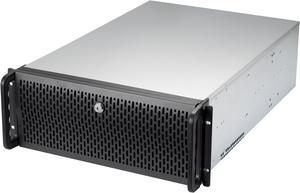
Rosewill 4U Server Chassis Rackmount Case | 12 Hot Swap 3.5", 2.5" SATA I, SATA II, SATA III SAS | E-ATX Compatible | 3 x Front 120mm Fans | 2 x Rear 80mm Fans | 2 x USB 3.0 | Front Panel Lock

- Brand: Rosewill
- Color: Black
- Case Material: SGCC
- Form Factor: 4U
- Model #: RSV-L4412U
- Item #: N82E16811147330
- Return Policy: Standard Return Policy
- $599.99
- $559.99 –
- Save: 6%
- Free Shipping
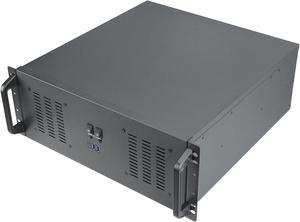
Rosewill 4U Server Chassis Rackmount Case | 11 x 3.5" Bays + 3 x 2.5" Devices| ATX, CEB Compatible | 2 x 120mm PWM Fan + 2 x 80mm PWM Fans | 2 x USB 3.0 | 1 USB-C 3.1 | Front Panel Lock and Key
- Brand: Rosewill
- Color: Black
- Case Material: Steel
- Form Factor: 4U
- Model #: RSV-R4200U
- Item #: N82E16811147335
- Return Policy: Standard Return Policy
- $209.99 –
- Free Shipping
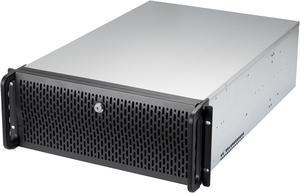
Rosewill 4U Server Chassis Rackmount Case | 15 x 3.5" HDD Bays | E-ATX Compatible | 6 x Front 120mm Fans | 2 x Rear 80mm Fans | 2 x USB 3.0 | Front Panel Lock and Key | Silver/Black - RSV-L4500U
- Brand: Rosewill
- Color: Black
- Case Material: SGCC
- Form Factor: 4U
- Model #: RSV-L4500U
- Item #: N82E16811147328
- Return Policy: Standard Return Policy
- $329.99 –
- $76.57 Shipping
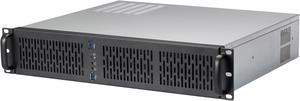
Rosewill 2U Server Chassis Rackmount Case | 4 x 3.5" HDD Bays | Micro-ATX Compatible | 3 x 80mm PWM Fans | 2 x USB 3.0 | Silver/Black - RSV-Z2600U
- Brand: Rosewill
- Color: Black
- Case Material: SGCC
- Form Factor: 2U
- Model #: RSV-Z2600U
- Item #: N82E16811147329
- Return Policy: Standard Return Policy
- $159.99
- $149.99 –
- Save: 6%
- Free Shipping
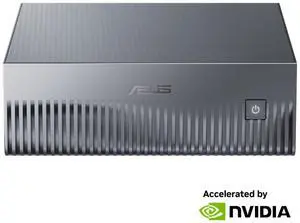
ASUS Ascent GX10 AI Supercomputer, DGX Spark, NVIDIA GB10 Superchip, 128GB LPDDR5x, 1TB PCIe Gen4 NVMe SSD, Wi-Fi 7 & BT5.4, DGX OS, Agentic AI Ready, Supports OpenClaw, NemoClaw, Stackable Chassis

Leave a review with ASUS and get up to a $50 Gift Card
- Brand: ASUS
- Model: Ascent GX10
- Type: Mini PC
- CPU Type: ARM v9.2-A CPU (GB10)
- Model #: GX10-GG0010BN
- Item #: N82E16859110044
- Return Policy: 15-Day Return Policy
- $8,299.00 –
- Free Shipping
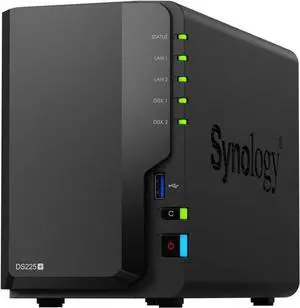
Synology 2-bay DiskStation DS225+ (Diskless)
- Brand: Synology
- Included HDD Capacity: Diskless System
- Form Factor: 2-bay;2GB DDR4
- HDD Interface: 2 x SATA (2 x Bay)
- Model #: DS225+
- Item #: N82E16822108853
- Return Policy: Standard Return Policy
- $529.99 –
- More options from $529.99 - $636.86
- Free Shipping
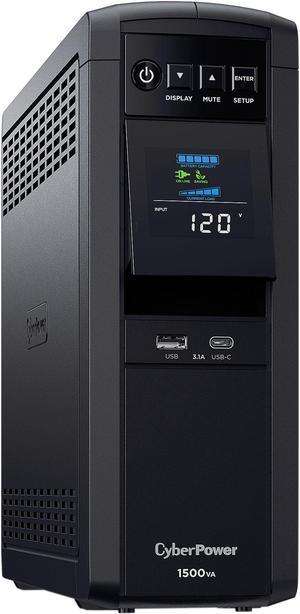
CyberPower CP1500PFCLCD PFC Sinewave UPS Systems - 1500VA/1000W, 120 VAC, NEMA 5-15P, Mini-Tower, Sine Wave, 12 Outlets, LCD, PowerPanel
- Outlets: 12
- Battery Run Time: At Half Load: 10 Minutes At Full Load: 2.5 Minutes
- Output Frequency: 60 Hz +/- 1%
- Battery Recharge Time: 8 Hour(s)
- Model #: CP1500PFCLCD
- Item #: 9SIAH2MKXN5231
- Return Policy: View Return Policy
- $298.28 –
- More options from $279.99 - $572.69
- Free Shipping
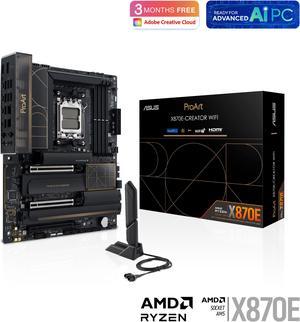
ASUS ProArt X870E-CREATOR WIFI AMD AM5 X870E ATX Motherboard PCIe 5.0 x16 slots with full support for next-gen GPUs, 16+2+2 power stages, DDR5, dual USB4, 10 Gb & 2.5 Gb LAN, WiFi 7, four M.2 slots
Leave a review with ASUS and get up to a $50 Gift Card
- Brand: ASUS
- CPU Socket Type: AM5
- Chipset: AMD X870
- Serial ATA (SATA): 4 x SATA 6Gb/s
- Model #: ProArt X870E-CREATOR WIFI
- Item #: N82E16813119688
- Return Policy: Standard Return Policy
- $729.00 –
- Free Shipping
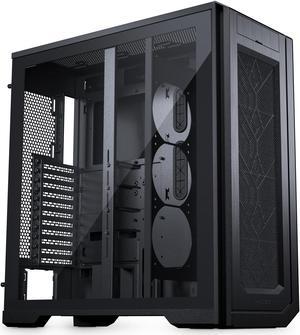
Phanteks Enthoo Pro 2 Server Edition – SSI-EEB Motherboard support, 11-PCI slots, 15x fan positions, Tempered Glass Side Panel, Black
- Motherboard Compatibility: XL-ATX, SSI-EEB, E-ATX, ATX, micro-ATX, mini-ITX
- Color: Black
- Case Material: Steel Chassis
- Side Panel: 1 x Side Tempered Glass Panel
- Model #: PH-ES620PTG_BK02
- Item #: N82E16811854127
- Return Policy: Standard Return Policy
- $269.99 –
- $19.99 Shipping
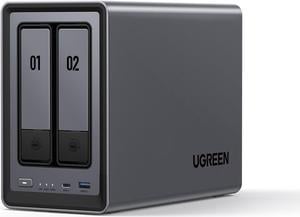
UGREEN NASync DXP2800, 2-Bay NAS with Intel N100 Quad-Core CPU (Up to 3.4GHz) 8GB DDR5, 2x M.2 PCIe Slots, 2.5GbE Port (Diskless)
- Brand: Ugreen
- Included HDD Capacity: Diskless System
- Form Factor: 2-Bay
- Port RJ-45: 1 x 2.5GbE
- Model #: DXP2800
- Item #: N82E16822995001
- Return Policy: Standard Return Policy
- $499.99 –
- Free Shipping
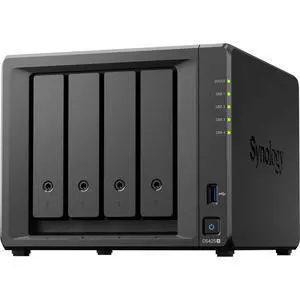
Synology 4-bay DiskStation DS425+ (Diskless)
- Brand: Synology
- Included HDD Capacity: Diskless System
- Form Factor: 4-bay;2GB DDR4 non-ECC
- HDD Interface: 4 x SATA (4 x Bay)
- Model #: DS425+
- Item #: N82E16822108849
- Return Policy: Standard Return Policy
- $899.99
- $849.99 –
- Save: 5%
- More options from $849.99 - $1,034.36
- Free Shipping
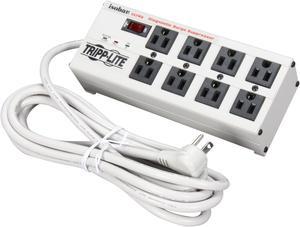
TRIPP LITE ISOBAR8ULTRA 12 Feet 8 Outlets 3840 Joules Surge Protector
- Series: Isobar
- Outlets Type: NEMA 5-15R
- Input Voltage: 120V
- Voltage Compatibility: 120V AC
- Model #: ISOBAR8ULTRA
- Item #: 9SIA7BBKNF1333
- Return Policy: View Return Policy
- $205.43 –
- More options from $151.11 - $205.43
- $15.97 Shipping
Related searches
- Server Overview
- Servers for Business
- Server Parts and Components
- SOHO and Home Servers
- FAQ
Different server computers are used for different tasks. Whether a server is storing media files accessible over a home network, or used for enterprise database management, knowing which type of server system best suits your home or business network saves money when it comes time to buy a server.
Why would you need a server in the first place? As the number of endpoints grows beyond five or ten users, the peer-to-peer network model wherein computers communicate through the router eventually becomes inefficient and bottlenecked. A few tell-tale signs that you need a dedicated server include:
- You have outgrown Gmail and other web-based e-mail solutions
- You introduce applications that require a secure database
- Network security is mandated for industry compliance, or important for the organization
- Users need to access shared files and applications
So-called cloud servers offer leased data storage and computing resources that companies might buy in lieu of server hardware. This is ideal for a very small business or a casual home user without any server management know-how. As a company scales up it usually makes financial sense to deploy physical servers, hiring in-house (or outsourced) server management personnel, and perhaps utilizing cloud servers for redundancy or part of a backup plan.
Bestselling Servers & Workstations Reviews:
Anonymous
4/6/2025 12:51:34 PM
Great chasis for ATX rack mounted server/pc
“ Would reccomend this case to anyone who is trying to build a rack-mounted PC/Server using some consumer grade parts (i.e graphics cards). ”
Rosewill 4U Server Chassis | Supports up to 4 GPUs | 8 Hot-Swap 3.5"/2.5" SATA/SAS up to 12Gbps | E-ATX Compatible | 3 x 12038 Hot-Swap Fans | 2 x Rear 8038 Fans | USB 3.2 Type-C | With Rail Kit | Ideal for AI ServersTerry
1/22/2024 3:58:43 PM
Good product not great. It isn't supposed to be. Look at the price.
“ I would recommend this product for the price. large enough for a nice plex server. ”
Rosewill 3U Server Chassis Rackmount Case | 6 x 3.5" Bays | E-ATX Compatible | 2 x 80mm Fans | 2 x USB 3.0 | Silver/Black - RSV-Z3200UAnonymous
11/26/2023 9:34:14 AM
Plex Server
“ Decent quality for the price range. Fit my confined rack space and needs for my server well. ”
CHENBRO RM42300-F1 Black Steel / Plastic 4U Rackmount Server Case 3 External 5.25" Drive BaysAnonymous
6/26/2023 5:31:08 PM
Awesome server case
“ I built a 14 drive RAIDZ Freenas server and moved it from a tower to this case. ”
Rosewill 4U Server Chassis Rackmount Case | 15 x 3.5" HDD Bays | E-ATX Compatible | 6 x Front 120mm Fans | 2 x Rear 80mm Fans | 2 x USB 3.0 | Front Panel Lock and Key | Silver/Black - RSV-L4500UChristopher R.
5/29/2023 9:43:07 AM
Stable 4U
“ While there are numerous 3.5" bays, you really will want to use less than 1/2 of them for both heat and performance concerns. The case, however, is one of the cheaper 4U cases, and if you are looking for a baseline for a simple purpose, like a virtualization header, a Windows server, a firewall or similar, this case is certainly a decent choice. ”
Rosewill 4U Server Chassis Rackmount Case | 7 x 3.5" Bays + 2 x 5.25" Devices | ATX, CEB Compatible | 1 x 120mm PWM Fan + 2 x 80mm PWM Fans | 2 x USB 3.0 | Front Panel Lock and Key | Silver/Black - RSV-R4100U