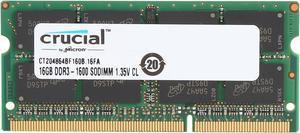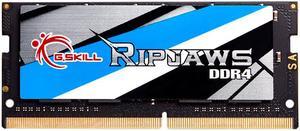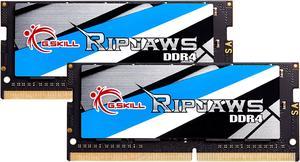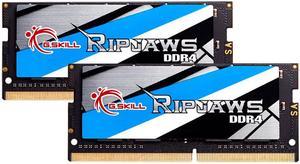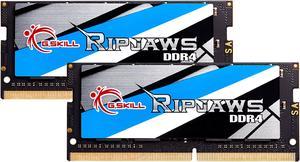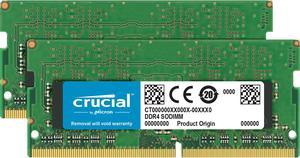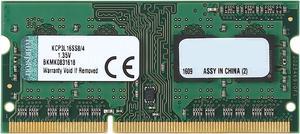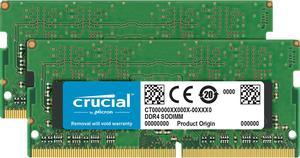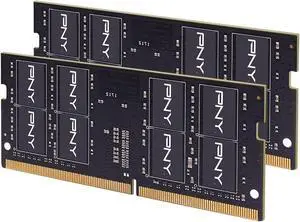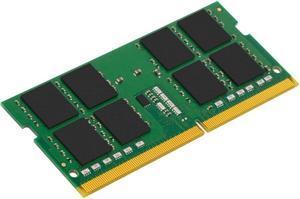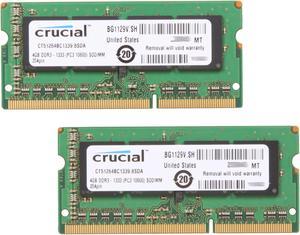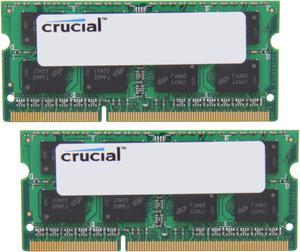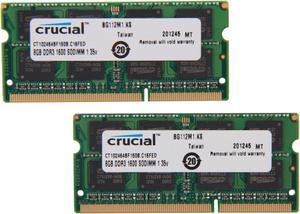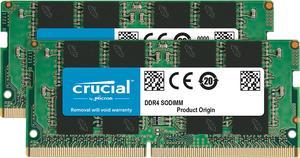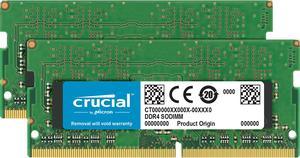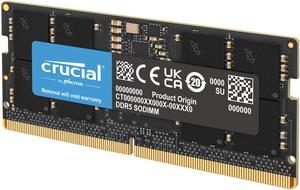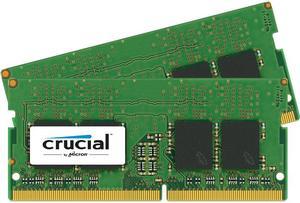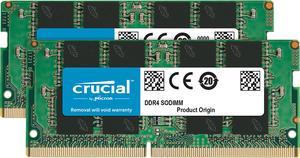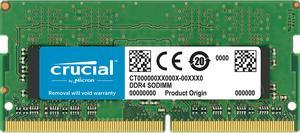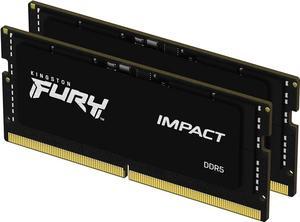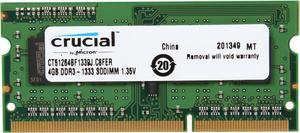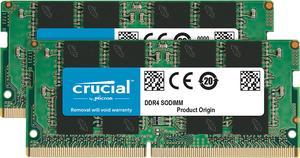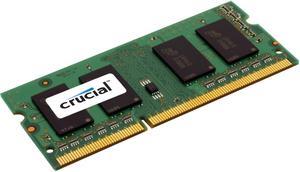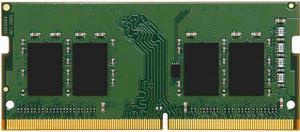
Features: CT204864BF160B is a single 16GB DDR3L 1.35V Notebook module that operates at speeds up to 1600 MT/s and has a CL11 latency. It is dual voltage and can operate at 1.35V or 1.5V. It is Unbuffered and is non-ECC. It conforms to the industry standard SODIMM layout of 204 pins and is compatible with computers that take DDR3L SODIMM memory.


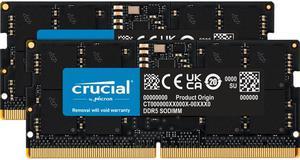
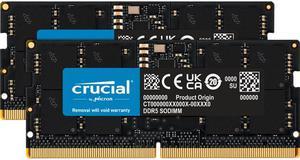
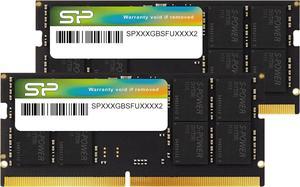
Features: 5600MT/s grants faster transmission speeds and higher bandwidth than DDR4
1.5x faster than standard 3200MT/s DDR4 to provide multi-core CPUs with extreme responsiveness
Available in 8GB, 16GB, and 32GB module densities
Doubled chip unit capacity compared to DDR4 (from 16GB to 32GB) for seamless multi-tasking
Low voltage of 1.1V for less power consumption
Improved reliability versus DDR4 with On-Die Error Correction Code (ECC)
Optimized efficiency with two independent 32-bit channels per module
High computing performance with double the banks and double the burst length compared to DDR4
Compatible with 13th Gen Intel Cor™ processors that support DDR5 and DDR5 compatible motherboards
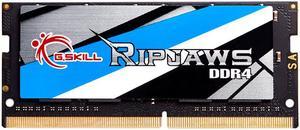
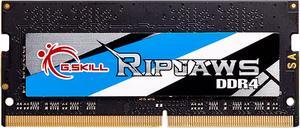
Features: Complies with JEDEC standards
Low voltage of 1.2V for less power consumption
100% tested for stability, durability, and reliability
100% verified for compatibility on mainstream DDR4 motherboards
Features: In short, 204-pin small outline dual inline memory modules (SODIMMs) are the form factor used to provide DDR3 memory modules for notebook computers and other small form factor computing platforms. 204-pin SODIMMs are currently available in PC3-8500 (DDR3 1066MHz) and PC3-10600 (DDR3 1333MHz) speeds.
To use DDR3 memory, your system must have both a 204-pin SODIMM slot and a chipset that supports DDR3 memory. A DDR3 SODIMM will not fit into DDR2 or DDR memory sockets. (Information about which memory technology your system uses is included in the Crucial Memory Advisor tool.)
SODIMMs are smaller and thinner than regular DIMMs, and the 204-pin SODIMM PCBs are always ~2.6 inches long and are usually around 1.18 inches high (though the heights can vary slightly). The...