
Your Browsing History
SHOP BY Primary Ports
Quick View
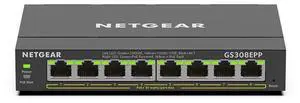
Netgear GS308EPP 8-Port PoE+ Gigabit Ethernet Plus Switch 123W, GS308EPP-100NAS
- Brand: NETGEAR
- Part Number: GS308EPP-100NAS
- Format: Wall Mountable Desktop Rack-mountable
- Standards: IEEE 802.3 Ethernet IEEE 802.3ab 1000BASE-T IEEE 802.3u 100BASE-T IEEE 802.3ab 1000BASE-T EEE 802.1p Class of Service IEEE 802.1Q VLAN Tagging IEEE 802.3x Full-duplex Flow Control IEEE 802.3af PoE IEEE 802.3at PoE+
- Model #: GS308EPP-100NAS
- $174.99 –
- More options from $174.99 - $187.98
- Free Shipping
Quick View
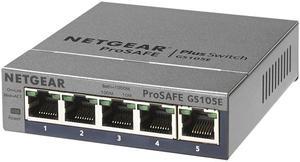
Netgear ProSafe Plus GS105E 5-Port Gigabit Ethernet Switch, GS105E-200NAS
- Brand: NETGEAR
- Series: ProSafe Plus
- Part Number: GS105E-200NAS
- Switch Type: Non rack mountable
- Model #: GS105E-200NAS
- $59.99 –
- Free Shipping
Quick View
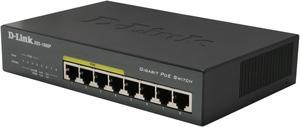
D-Link DGS-1008P Switches 4 to 10 Ports 8-port Gigabit Ethernet POE Switch
- Format: External
- Standards: IEEE 802.3/3u, IEEE 802.3af
- Primary Ports: 8 x RJ45
- Primary Port Speed: 10/100/1000Mbps
- Model #: DGS-1008P
- $89.99
- See price in cart
- Free Shipping
Quick View
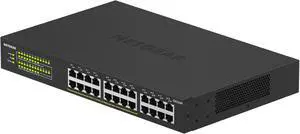
Netgear GS324P 24-Port Gigabit Ethernet Unmanaged PoE+ Essentials Switch with 16-Ports PoE+ (190W), GS324P-100NAS
- Brand: NETGEAR
- Part Number: GS324P-100NAS
- Format: Rack-mountable Desktop
- Network Media: Media Type Supported: Twisted Pair Ethernet Technology: Gigabit Ethernet Network Technology: 10/100/1000Base-T
- Model #: GS324P-100NAS
- $349.99 –
- Free Shipping
Quick View
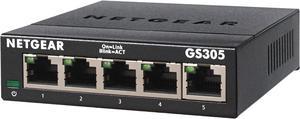
Netgear GS305 5-Port Gigabit Ethernet SOHO Unmanaged Essentials Switch, GS305-300PAS
- Brand: NETGEAR
- Part Number: GS305-300PAS
- Format: Desktop Wall mountable
- Standards: IEEE 802.3ab 1000BASE-T Gigabit Ethernet IEEE 802.3u 100BASE-TX Fast Ethernet IEEE 802.3i 10BASE-T Ethernet IEEE 802.3x Flow Control IEEE 802.1p Priority QoS IEEE 802.1p Priority QoS and DSCP IEEE 802.3 CSMA/CD 802.3az Energy Efficient Ethernet
- Model #: GS305-300PAS
- $27.99 –
- $5.99 Shipping
Quick View
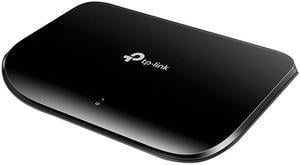
TP-Link 5 Port Gigabit Ethernet Network Switch | Plug and Play | Desktop or Wall-Mount | Plastic Case Ethernet Splitter | Fanless | Traffic Optimization | Unmanaged (TL-SG1005D)
- Switch Type: Network Switch
- Format: Desktop
- Standards: IEEE802.3, IEEE802.3u, IEEE802.3ab, IEEE802.3x
- Primary Ports: 5 x RJ45
- Model #: TL-SG1005D
- $16.99 –
- $4.99 Shipping
Quick View
#1 Best Seller
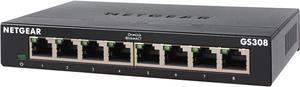
- Brand: NETGEAR
- Part Number: GS308-300PAS
- Format: Desktop or wallmountable
- Standards: IEEE 802.3ab 1000BASE-T Gigabit Ethernet IEEE 802.3u 100BASE-TX Fast Ethernet IEEE 802.3i 10BASE-T Ethernet IEEE 802.3x Flow Control IEEE 802.1p Priority QoS (all models) IEEE 802.1p Priority QoS and DSCP (except GS308P, GS316) IEEE 802.3 CSMA / CD 802.3az Energy Efficient Ethernet
- Model #: GS308-300PAS
- $33.99 –
- $3.99 Shipping
Quick View
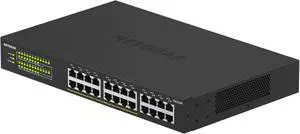
Netgear GS324 24-Port Gigabit Ethernet Unmanaged Essentials Switch, GS324-200NAS
- Brand: NETGEAR
- Part Number: GS324-200NAS
- Format: Desktop Wall Mountable Rack-mountable
- Network Media: Media Type Supported: Twisted Pair Ethernet Technology: Gigabit Ethernet Network Technology: 10/100/1000Base-T
- Model #: GS324-200NAS
- $139.99 –
- More options from $139.99 - $155.70
- Free Shipping
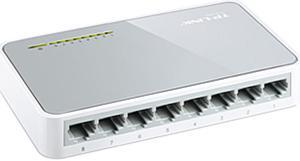
Quick View
TP-Link 8 Port 10/100Mbps Fast Ethernet Switch | Desktop Ethernet Splitter | Ethernet Hub | Plug and Play | Fanless Quiet | Desktop Design | Green Technology | Unmanaged (TL-SF1008D)
- Brand: TP-Link
- Format: Desktop
- Standards: IEEE802.3, IEEE802.3u, IEEE 802.3x
- Network Management Type: Unmanaged
- Model #: TL-SF1008D
- $16.99 –
- $11.99 Shipping
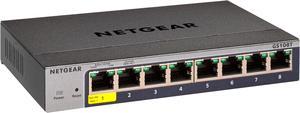
Quick View
Netgear GS108T 8-Port Gigabit Ethernet Smart Switch with Cloud Management, GS108T-300NAS
- Brand: NETGEAR
- Part Number: GS108T-300NAS
- Switch Type: Non rack mountable
- Network Management Type: Smart
- Model #: GS108T-300NAS
- $114.99
- See price in cart
- More options from $111.19 - $114.99
- Free Shipping
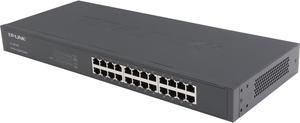
Quick View
TP-Link 24 Port Gigabit Ethernet Switch | Plug and Play | Sturdy Metal w/Shielded Ports | Rackmount | Fanless | Limited Lifetime Protection | Unmanaged (TL-SG1024)
- Brand: TP-Link
- Format: Rackmount
- Standards: IEEE802.3, IEEE802.3u, IEEE802.3ab, IEEE802.3x
- Network Management Type: Unmanaged
- Model #: TL-SG1024
- $129.99
- $109.99 –
- Save: 15%
- Free Shipping
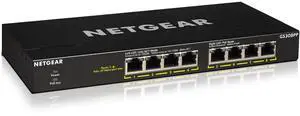
Quick View
Netgear GS308PP 8-Port Gigabit Ethernet Unmanaged PoE+ Essentials Switch with 8-Ports PoE+ (83W), GS308PP-100NAS
- Brand: NETGEAR
- Part Number: GS308PP-100NAS
- Format: Desktop Wall Mountable Rack-mountable
- Standards: IEEE 802.3 CSMA/CD 802.3az Energy Efficient Ethernet
- Model #: GS308PP-100NAS
- $149.99 –
- Free Shipping
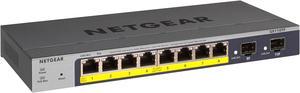
Quick View

- Brand: NETGEAR
- Series: ProSafe
- Part Number: GS110TP-300NAS
- Format: Desktop Wall Mountable
- Model #: GS110TP-300NAS
- $249.99 –
- More options from $249.99 - $334.49
- Free Shipping
Quick View
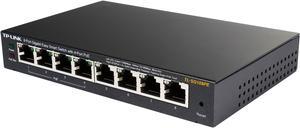
TP-Link TL-SG108PE V3 | 8 Port Gigabit PoE Switch | Easy Smart Managed | 4 PoE+ Ports @64W | Plug & Play | Sturdy Metal w/ Shielded Ports | Fanless | QoS, Vlan & IGMP | Limited Lifetime Protection
- Standards: IEEE 802.3i, IEEE 802.3u, IEEE 802.3ab, IEEE 802.3af, IEEE 802.3x, IEEE 802.1q, IEEE 802.1p
- Primary Ports: 8 x RJ45
- Primary Port Speed: 10/100/1000Mbps
- MAC Address Table: 4K
- Model #: TL-SG108PE
- $89.99 –
- Free Shipping
Quick View
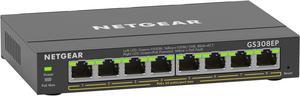
Netgear GS308EP 8-Port Gigabit Ethernet PoE+ Smart Managed Plus Switch (62W), GS308EP-100NAS
- Brand: NETGEAR
- Part Number: GS308EP-100NAS
- Format: Wall Mountable Desktop Rack-mountable
- Standards: IEEE 802.3 Ethernet IEEE 802.3ab 1000BASE-T IEEE 802.3u 100BASE-T IEEE 802.3ab 1000BASE-T EEE 802.1p Class of Service IEEE 802.1Q VLAN Tagging IEEE 802.3x Full-duplex Flow Control IEEE 802.3af PoE IEEE 802.3at PoE+
- Model #: GS308EP-100NAS
- $129.99 –
- Free Shipping
Quick View
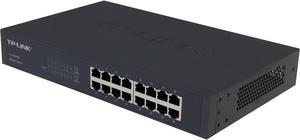
TP-Link 16-Port Gigabit Ethernet Unmanaged Switch | Plug and Play | Metal | Desktop/Rackmount | Fanless(TL-SG1016D)
- Brand: TP-Link
- Format: Desktop/Rackmount
- Standards: IEEE802.3, IEEE802.3u, IEEE802.3ab, IEEE802.3x
- Network Management Type: Unmanaged
- Model #: TL-SG1016D
- $89.99 –
- Free Shipping
Quick View
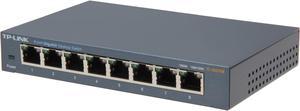
TP-Link 8 Port Gigabit Ethernet Network Switch | Ethernet Splitter | Sturdy Metal w/ Shielded Ports | Plug-and-Play | Traffic Optimization | Unmanaged (TL-SG108)
- Brand: TP-Link
- Format: Desktop
- Standards: IEEE802.3, IEEE802.3u, IEEE802.3ab, IEEE802.3x
- Network Management Type: Unmanaged
- Model #: TL-SG108
- $31.99
- $27.99 –
- Save: 12%
- Est. Shipping Fee $4.99
Quick View
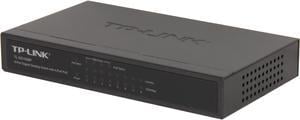
TP-Link TL-SG1008P V4 | 8 Port Gigabit PoE Switch | 4 PoE+ Ports @64W | Desktop | Plug & Play | Sturdy Metal w/ Shielded Ports | Fanless | Limited Lifetime Protection | QoS & IGMP Snooping | Unmanaged
- Format: Desktop
- Primary Ports: 8 x RJ45
- Primary Port Speed: 10/100/1000Mbps
- MAC Address Table: 4K
- Model #: TL-SG1008P
- $79.99
- See price in cart
- $1.99 Shipping
Quick View
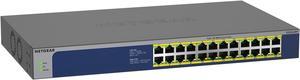
- Brand: NETGEAR
- Format: Desktop / Rackmount
- Network Management Type: Unmanaged
- Primary Ports: 24 x RJ45
- Model #: GS524PP-100NAS
- $470.99 –
- Free Shipping
Quick View
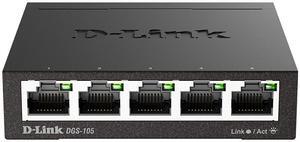
D-Link 5-Port Gigabit Unmanaged Desktop Switch (DGS-105)
- Brand: D-Link
- Format: Desktop/Wall Mount
- Standards: IEEE 802.3 10BASE-T Ethernet (twisted-pair copper) IEEE 802.3u 100BASE-TX Fast Ethernet (twisted-pair copper) IEEE 802.3ab 1000BASE-T Gigabit Ethernet (twistedpair copper) ANSI/IEEE 802.3 NWay auto-negotiation IEEE 802.3x Flow Control IEEE 802.1p QoS IEEE 802.3az Energy-Efficient Ethernet (EEE)
- Network Management Type: Unmanaged
- Model #: DGS-105
- $39.99 –
- Free Shipping
Quick View
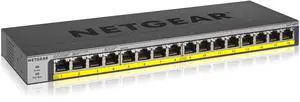
Netgear GS116PP 16-Port PoE/PoE+ Gigabit Ethernet Unmanaged Switch with FlexPoE (183W), GS116PP-100NAS
- Brand: NETGEAR
- Part Number: GS116PP-100NAS
- Switch Type: Desktop / Rackmount / Wall-Mount
- Network Media: Media Type Supported: Twisted Pair Ethernet Technology: Gigabit Ethernet Network Technology: 10/100/1000Base-T
- Model #: GS116PP-100NAS
- $299.99 –
- More options from $299.99 - $385.57
- Free Shipping
Quick View
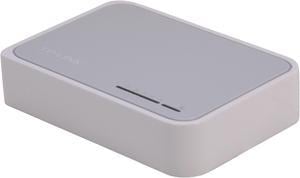
TP-Link 5 Port 10/100 Mbps Fast Ethernet Switch | Desktop Ethernet Splitter | Ethernet Hub | Plug & Play | Fanless Quiet | Desktop Design | Green Technology | Unmanaged (TL-SF1005D), White
- Brand: TP-Link
- Format: Desktop
- Standards: IEEE802.3, IEEE802.3u, IEEE 802.3x
- Network Management Type: Unmanaged
- Model #: TL-SF1005D
- $11.99 –
- $4.99 Shipping
Quick View
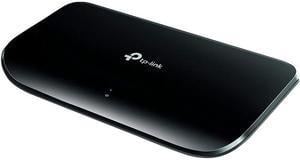
TP-Link 8 Port Gigabit Ethernet Network Switch | Plug and Play | Desktop or Wall-Mount | Plastic Case Ethernet Splitter | Fanless | Traffic Optimization | Unmanaged (TL-SG1008D)
- Format: Desktop
- Standards: IEEE 802.3i / 802.3u / 802.3ab / 802.3x
- Primary Ports: 8 x RJ45
- Primary Port Speed: 10/100/1000Mbps
- Model #: TL-SG1008D
- $26.99 –
- $4.99 Shipping
Quick View
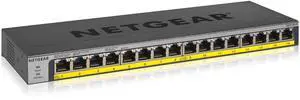
Netgear GS116LP 16-Port Gigabit Ethernet Unmanaged PoE+ Switch with FlexPoE (76W), GS116LP-100NAS
- Brand: NETGEAR
- Part Number: GS116PP-100NAS
- Switch Type: Wall Mountable Rack-mountable Desktop
- Standards: IEEE 802.3 Ethernet IEEE 802.3u 100BASE-TX IEEE 802.3ab 1000BASE-T IEEE 802.1p Class of Service IEEE 802.3az Energy Efficient Ethernet (EEE) IEEE 802.3i 10BASE-T Ethernet IEEE 802.3x Flow Control
- Model #: GS116LP-100NAS
- $225.99 –
- More options from $225.99 - $293.64
- Free Shipping
Quick View
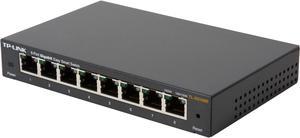
TP-Link 8-Port 8-Port 10/100/1000Mbps Desktop Swtich
- Format: Desktop
- Standards: IEEE 802.3, IEEE 802.3u, IEEE 802.3ab, IEEE 802.3x, IEEE 802.1q, IEEE 802.1p
- Primary Ports: 8 x RJ45
- Primary Port Speed: 10/100/1000Mbps
- Model #: TL-SG108E
- $39.99 –
- $4.99 Shipping
Quick View
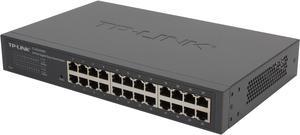
TP-Link 24 Port Gigabit Switch | Easy Smart Managed | Plug & Play | Lifetime Protection | Desktop/Rackmount | Sturdy Metal w/ Shielded Ports | Support QoS, Vlan, IGMP & Link Aggregation (TL-SG1024DE)
- Format: Rackmount
- Standards: IEEE 802.3i, IEEE 802.3u, IEEE 802.3ab, IEEE 802.3x, IEEE 802.1q, IEEE 802.1p
- Primary Ports: 24 x RJ45
- Primary Port Speed: 10/100/1000Mbps
- Model #: TL-SG1024DE
- $129.99 –
- Free Shipping
Quick View
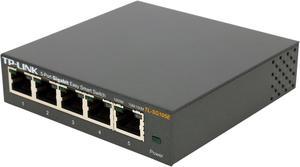
TP-Link 5 Port Gigabit Switch | Easy Smart Managed | Plug & Play | Desktop/Wall-Mount | Sturdy Metal w/ Shielded Ports | Support QoS, Vlan, IGMP and Link Aggregation (TL-SG105E)
- Brand: TP-Link
- Format: Desktop
- Standards: IEEE 802.3, IEEE 802.3u, IEEE 802.3ab, IEEE 802.3x, IEEE 802.1q, IEEE 802.1p
- Network Management Type: Unmanaged
- Model #: TL-SG105E
- $29.99
- $26.99 –
- Save: 10%
- $5.99 Shipping
Quick View
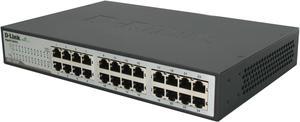
D-Link DGS-1024D Unmanaged 24-Port Gigabit Unmanaged Desktop or Rackmount Switch
- Format: Rackmount
- Standards: IEEE802.3, IEEE802.3u, IEEE802.3ab, IEEE802.3x
- Uplink Ports: None
- Primary Ports: 24 x RJ45
- Model #: DGS-1024D
- $114.99 –
- Free Shipping
Quick View
in 30 days
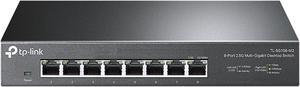
TP-Link TL-SG108-M2 | 8 Port Multi-Gigabit Unmanaged Network Switch, Ethernet Splitter | 2.5G Bandwidth | Plug & Play | Desktop/Wall-Mount | Fanless Metal Design | Limited Lifetime Protection- Format: Desktop
- Standards: IEEE 802.3, 802.3u, 802.3ab, 802.3x, 802.1p, 802.3bz
- Primary Ports: 8 x RJ45
- Primary Port Speed: 2.5 Gbps
- Model #: TL-SG108-M2
- $149.99
- See price in cart
- More options from $89.99 - $291.93
- Free Shipping
Quick View
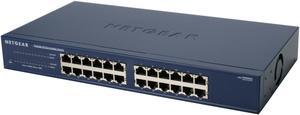
NETGEAR 24-Port Gigabit Ethernet Unmanaged Switch | JGS524
- Brand: NETGEAR
- Series: ProSafe
- Format: Rackmount
- Standards: IEEE 802.3i 10BASE-T Ethernet IEEE 802.3u 100BASE-TX Fast Ethernet IEEE 802.3ab 1000BASE-T Gigabit Ethernet IEEE 802.3z 1000BASE-X Gigabit Ethernet IEEE 802.3x Flow Control
- Model #: JGS524NA
- $199.99
- See price in cart
- More options from $196.99 - $199.99
- Free Shipping
Quick View
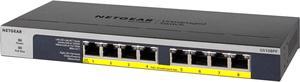
Netgear GS108PP 8-Port Gigabit Ethernet High-Power PoE+ Unmanaged Switch with FlexPoE (123W), GS108PP-100NAS
- Brand: NETGEAR
- Part Number: GS108PP-100NAS
- Format: Desktop Wall Mountable Rack-mountable
- Network Media: Media Type Supported: Twisted Pair Ethernet Technology: Gigabit Ethernet Network Technology: 1000Base-T
- Model #: GS108PP-100NAS
- $164.62 –
- More options from $162.99 - $164.62
- Free Shipping
Quick View
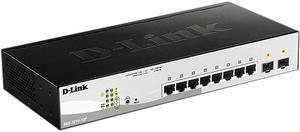
D-Link 10-Port Gigabit Smart Managed PoE+ Switch | 8 PoE+ Ports (65W) + 2 Optical SFP Ports | L3 Lite | NDAA/TAA Compliant (DGS-1210-10P)
- Format: Desktop
- Standards: IEEE802.3, IEEE802.3u, IEEE802.3ab, IEEE802.3z
- Uplink Ports: 2
- Primary Ports: 8 10/100/1000BASE-T 2 SFP
- Model #: DGS-1210-10P
- $199.99 –
- Free Shipping
Quick View
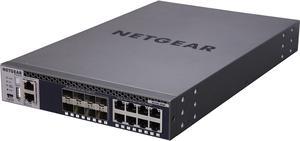
- Brand: NETGEAR
- Series: ProSafe
- Network Management Type: Managed
- Primary Ports: 8 x RJ45 + 8 x SFP+
- Model #: XSM4316S-100NES
- $2,781.26 –
- More options from $2,699.99 - $2,781.26
- Free Shipping
Quick View
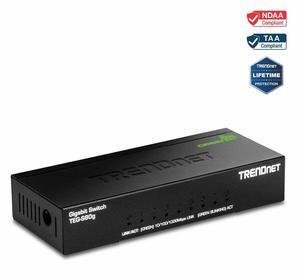
TRENDnet 8-Port Unmanaged Gigabit GREENnet Desktop Metal Switch, Fanless, 16Gbps Switching Capacity, Plug & Play, Network Ethernet Switch, Lifetime Protection, Black, TEG-S80G
- Standards: IEEE 802.3 IEEE 802.3u IEEE 802.3x IEEE 802.3ab IEEE 802.3az
- Primary Ports: 8 x RJ45
- Primary Port Speed: 10/100/1000Mbps
- MAC Address Table: 8K
- Model #: TEG-S80G
- $34.99 –
- $8.99 Shipping
Quick View

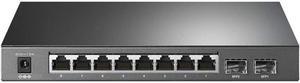
- Format: Desktop
- Standards: IEEE 802.3af, IEEE 802.3at
- Primary Ports: 8 x RJ45 + 2 x SFP
- Primary Port Speed: 10/100/1000Mbps
- Model #: TL-SG2210P
- $169.99 –
- More options from $160.24 - $198.99
- Free Shipping
Related searches
Network Switches
Wired network switches are ideally tailored for small and medium-sized businesses that want to optimize their networking capacities. The 24 GB switches, for instance, come with a 256 K buffer memory, and uses what's known as a "store and forward" method of switching. It's easy to operate these switches, it's a snap to throw these together and quickly expand your network.
Network switches have long been generally compatible with 10/100 networks, which are sufficient for most home or small office networks, to bring you error-free data transactions. Gigabit network switches are available for even faster tranfer rates, and as more computers come standard with gigabit network cards a faster switch may be a quick and easy upgrade to your network that will show immediate results.
Transmit Faster with Wired Network Switches
Private consumers like switches as well, as they offer an effective way to transfer and transmit data, video, and audio files. If you're an online gaming aficionado, for instance, you might use a switch to improve your gaming experience. Switches generally accept crossover cables and so-called straight cables. Thus, you don't have to shop for any particular connector to get started with data switching.
Bestselling Switches Reviews:
Eric W.
11/28/2025 8:26:24 PM
Quality and value
“ I'm new to the Ubiquity ecosystem.. But after having used routers and switches from Netgear, TP-Link, QNap, Eero, Asus, and some others I care not to remember, every single piece of Unifi gear stands heads and shoulders above the rest. ”
Ubiquiti Flex 10 GbE, Compact 5-port Layer 2 Switch (USW-Flex-XG)carthell
6/27/2025 10:12:53 PM
Dead simple to install & use
“ The MS305 is one of the simplest network devices I've worked with, ever. ”
Netgear MS305 5-Port Multi-Gigabit (2.5G) Ethernet Unmanaged Switch, MS305-100NASALEXANDER S.
11/25/2024 4:09:19 PM
tp-link TL-SG105 - 5-port Gigabit Desktop Switch
“ I purchased this product because I had a Cisco switch that needed to be programmed and it had 24 ports. ”
TP-Link 5 Port Gigabit Ethernet Network Switch - Ethernet Splitter | Plug & Play | Fanless | Sturdy Metal w/ Shielded Ports | Traffic Optimization | Unmanaged | Limited Lifetime Protection(TL-SG105)