







LS27DG602SNXZA
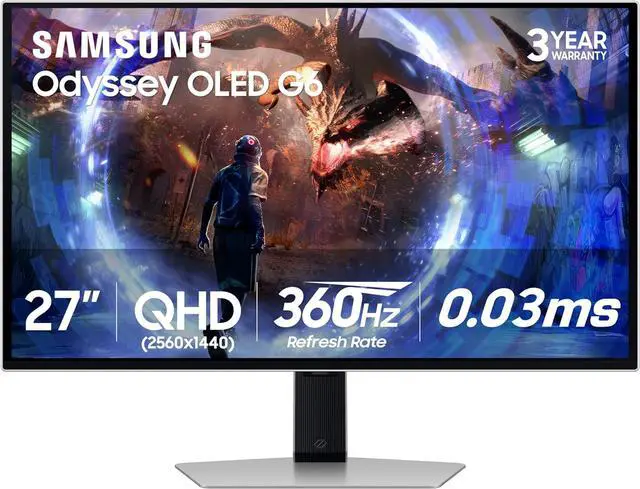
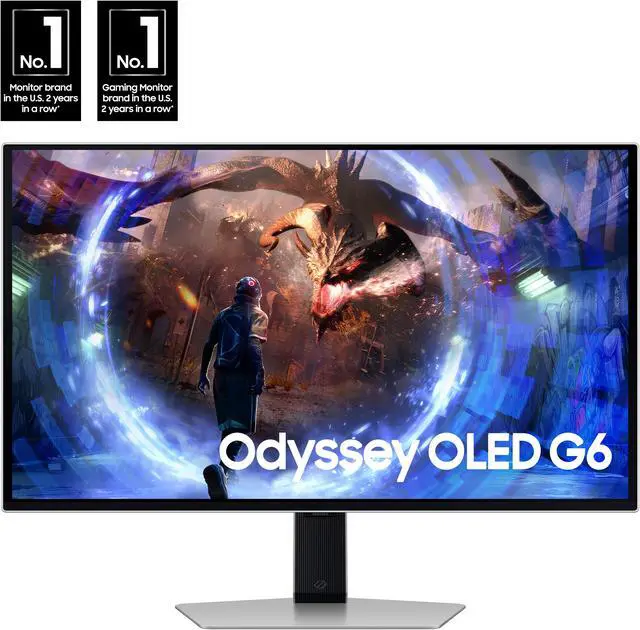
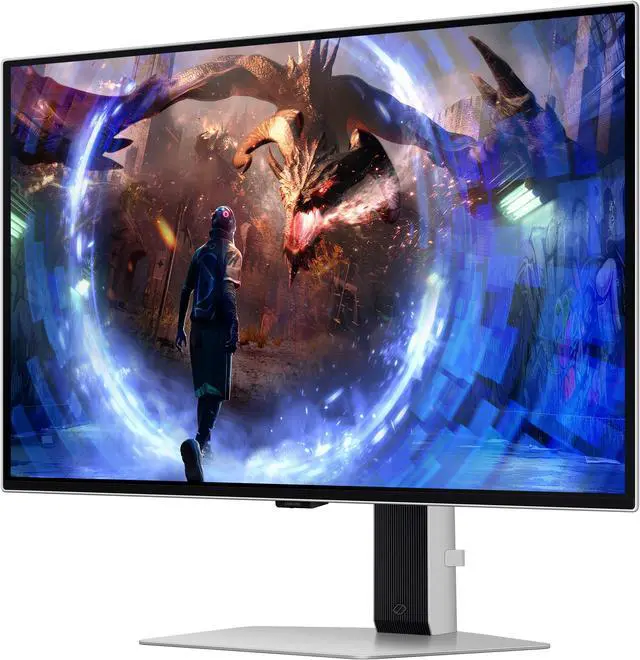
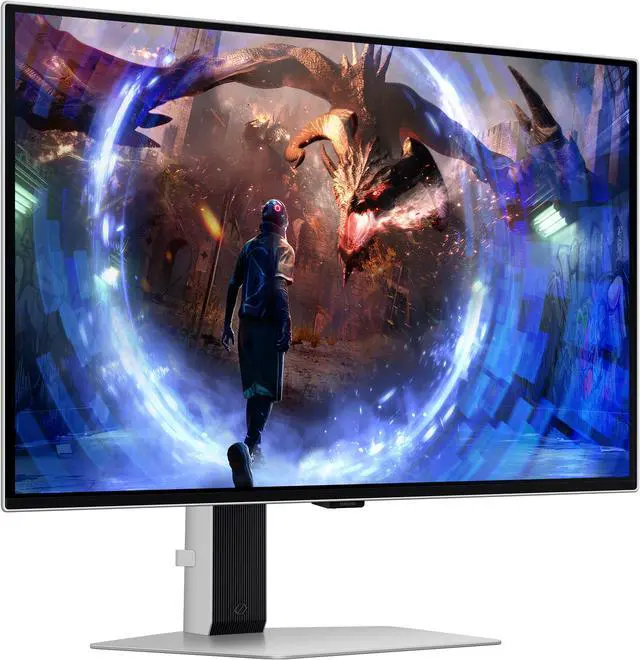
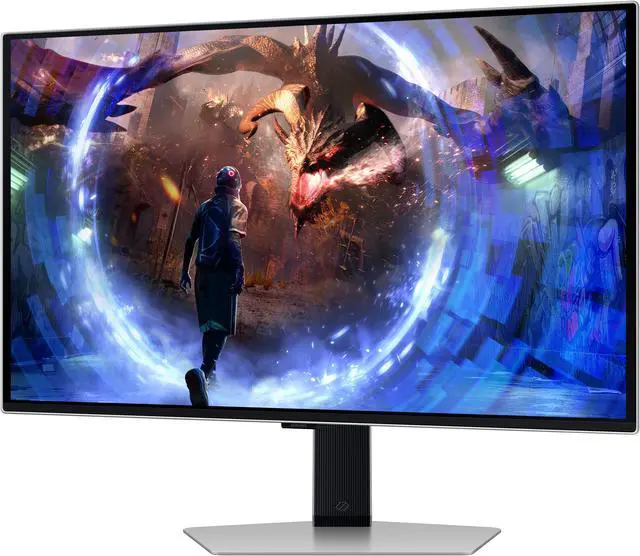
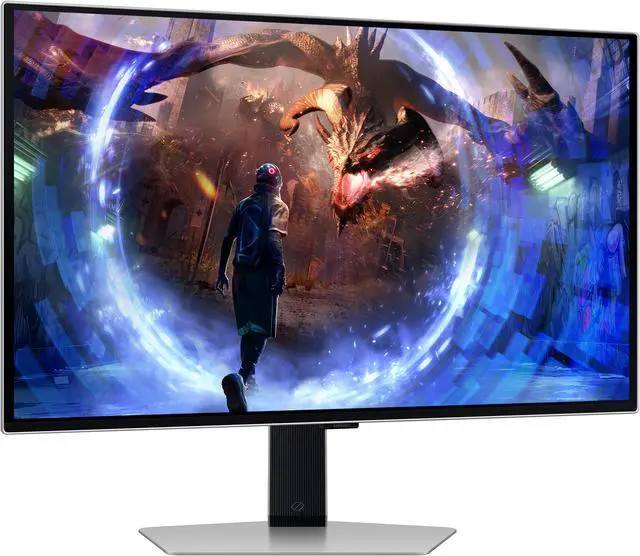
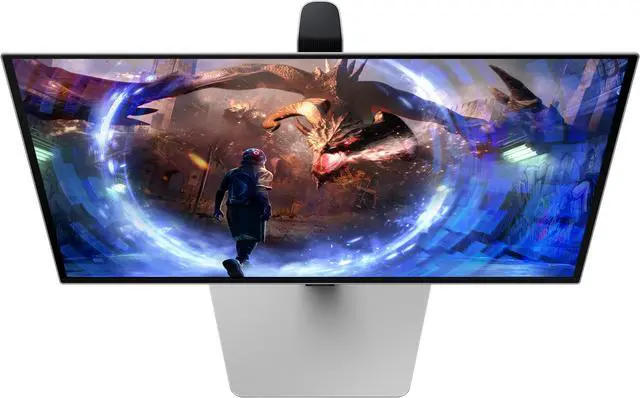
Odyssey OLED G6 (G60SD) Gaming Monitor
Epic Screen. Epic Play.

Top 4 Feature

OLED picture quality
Epic visual with dazzling color and definition

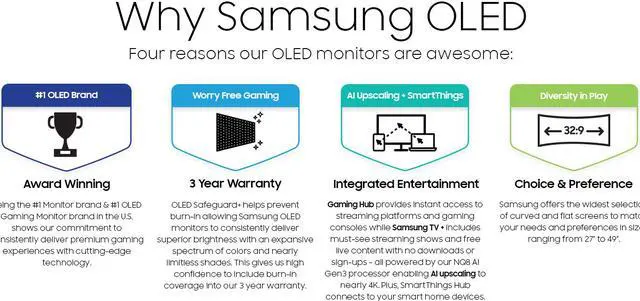
Samsung OLED Safeguard+
Advanced technologies to prevent burn-ins

360Hz refresh rate
Amazingly smooth and seamless gaming experiences

0.03ms response time (GtG)
Blazing speed and near instantaneous reactions
Stunning visuals and brigther highlights
OLED picture quality
Samsung OLED delivers superior brightness with an expansive spectrum of colors, shades, and contrasts for consistently brilliant imagery. With 250 nits (typ) of brightness and a wider color gamut, every scene comes alive in vivid detail.

Dive into shadows with purer black levels
Deep black levels
Uncover every secret with infinite expression. See true black and dark colors on screen without pixel light bleed for supreme color and depth expression in every game.

Focus without distraction
OLED Glare Free
Glare Free technology significantly reduces glare from external light sources, so the OLED screen's perfect black and color experience are presented without distractions. With a screen 54% less glossy than conventional Anti-Reflection film, you can see your full game environments and get the drop on enemies.

* Based on internal test results.
Samsung OLED Safeguard+ to protect your screen

Dynamic Cooling System
For the first time in the world, Pulsating Heat Pipe was applied in the monitor to prevent burn-in. Dynamic Cooling System evaporates and condenses a coolant to diffuse heat 5 times better than the older graphite sheet method, reducing temperature at the core.
* Images simulated for illustrative purposes.

Thermal Modulation System
Algorithms predict surface temperature and automatically control brightness accordingly to reduce heat.
* When "Adjust Logo Brightness" setting is on "Off" or "Low," Thermal Modulation is active in pre-set picture modes only.* When "Adjust Logo Brightness" setting is on "High", Thermal Modulation is always active.

Logo and taskbar detection
The brightness on static images, like logos and taskbars, is automatically reduced to prevent burn-in.
* Logo detection is active in AV mode only.

Screen Saver
The screen dims itself after 10 minutes of inactivity, and comes back to regular brightness with any input.
Outmaneuver opponents with supreme speed
360Hz Refresh Rate & 0.03ms Response Time (GtG)
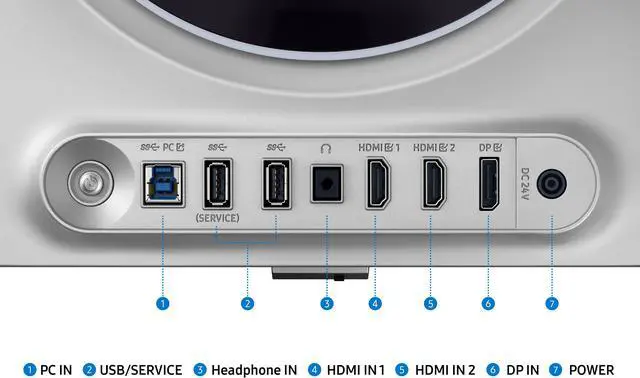
Dodge, counter and engage faster than the rest with OLED technology, offering a near-instant 0.03ms response time (GtG). Stay ahead of the competition with HDMI 2.1 and DisplayPort connections, providing a 360Hz refresh rate in QHD resolution. Every millisecond counts when facing the best.
* Based on GtG measured under internal test conditions. Results may vary by content and monitor settings.* GtG (Gray to Gray) measures the time taken for a monitor pixel to change from one gray value to another.


Immerse in smooth action without disruption
AMD FreeSync Premium Pro
Hyper action made seamless. Support of Variable refresh rate (VRR) with AMD FreeSync Premium Pro keeps the GPU and panel synced up to eliminate choppiness, screen-lag, and image tears. Fast-action and complex game scenes are stable and stutter-free for your competitive edge.
* Screen images simulated for illustrative purpose.
A screen with style

Stunning in any space
Sleek Metal Design
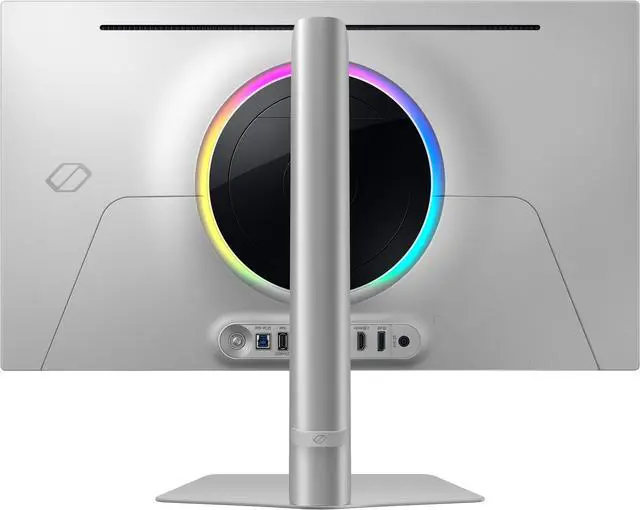
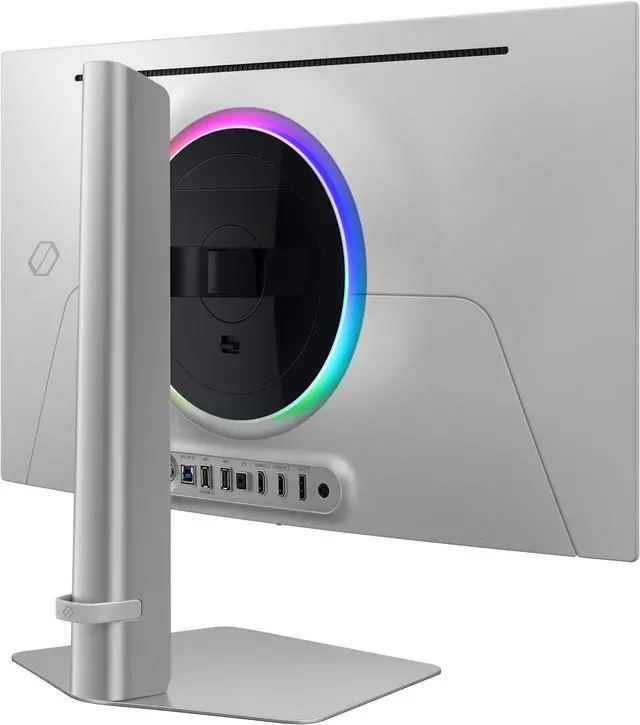
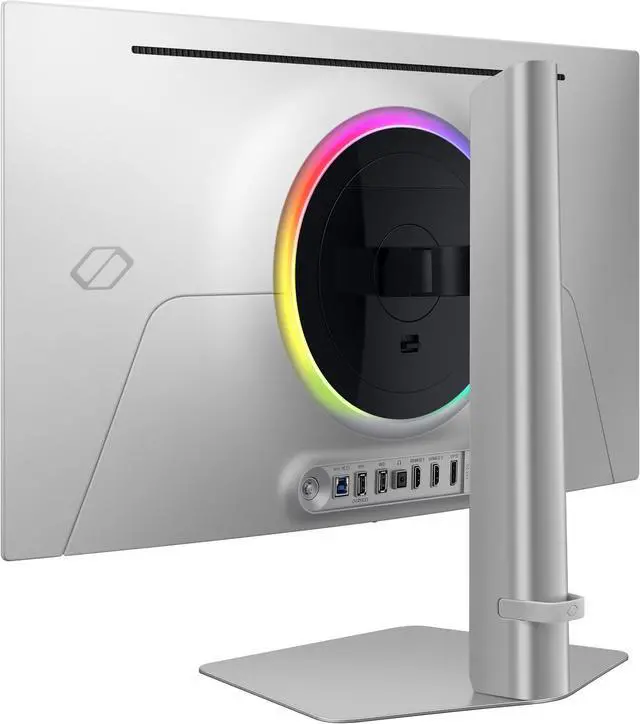
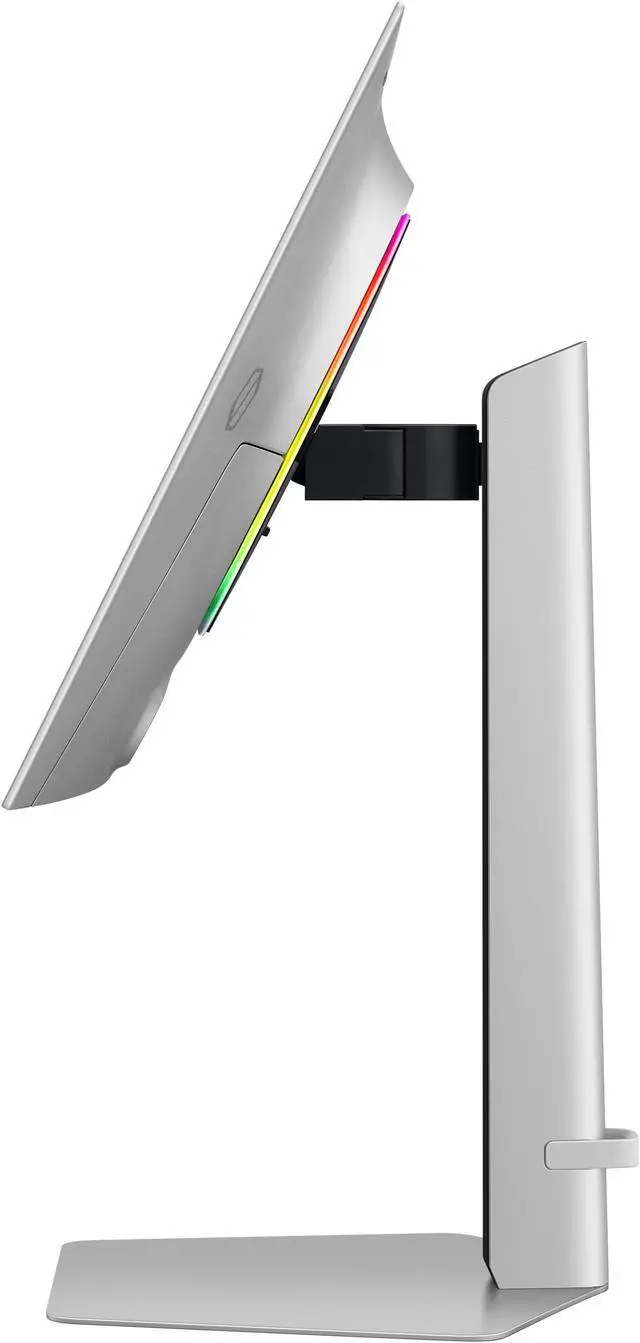
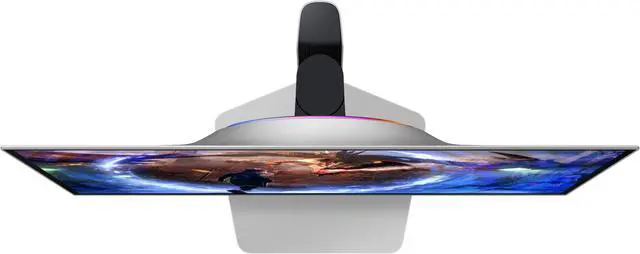
An upgraded sleek and modern design transforms any room into a high-tech paradise. CoreLighting+ matches your mood with ambient lighting for any vibe. Measuring 3.9mm at its thinnest point, you can make your space your own.
* Logo color on the monitor may vary based on time of purchase.

Extend winning streaks in comfort
Ergonomic Stand
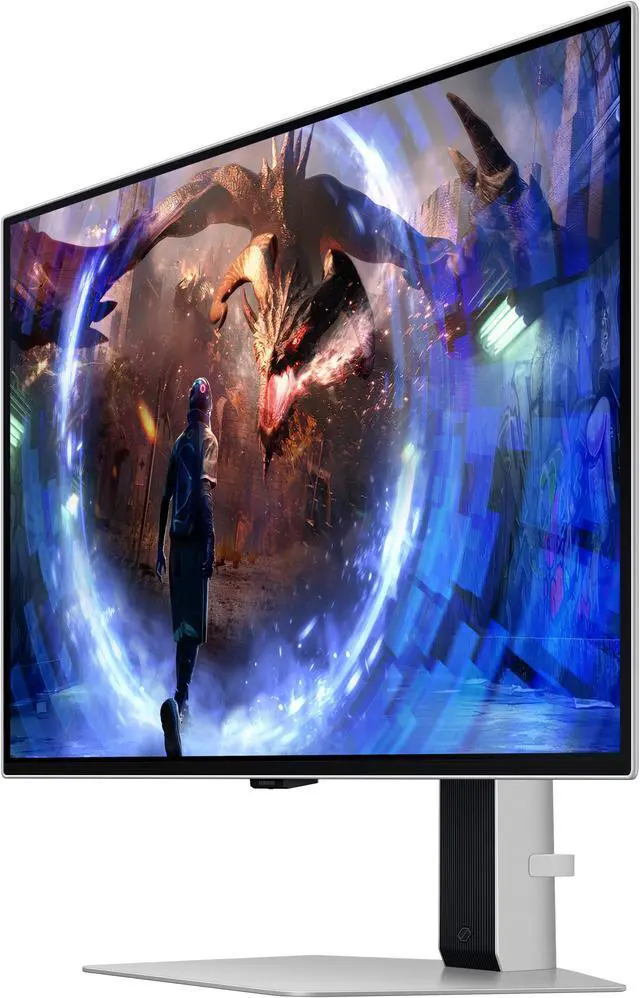
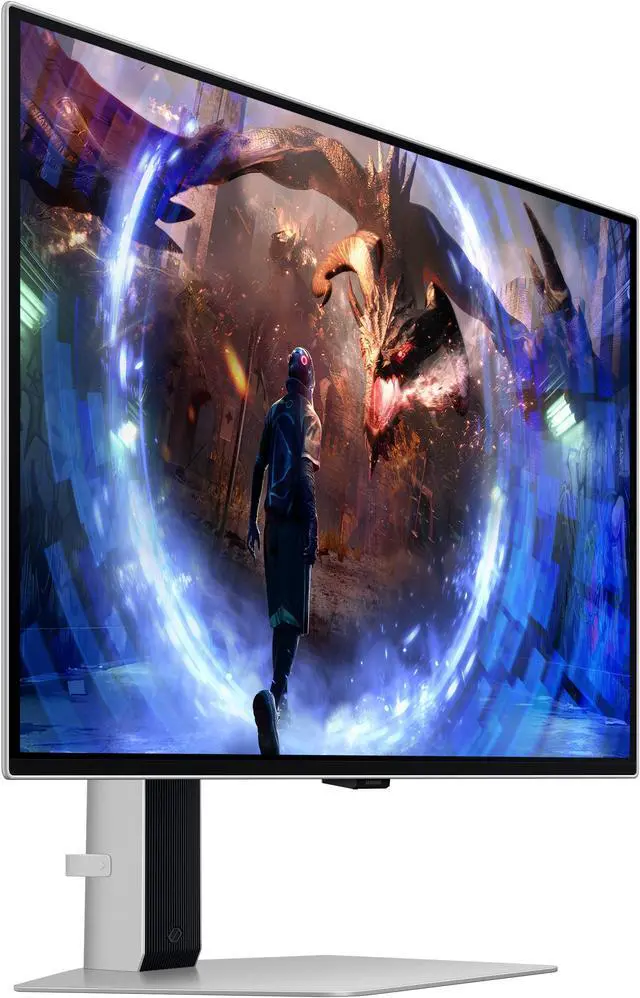
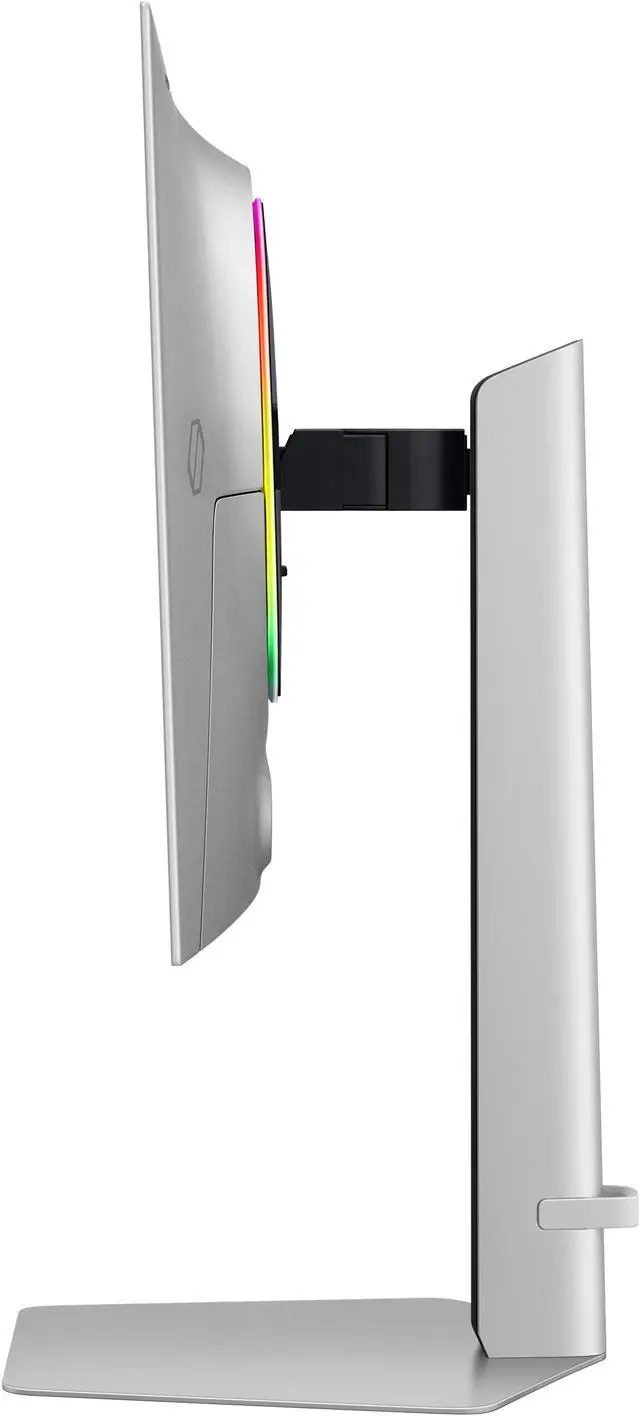
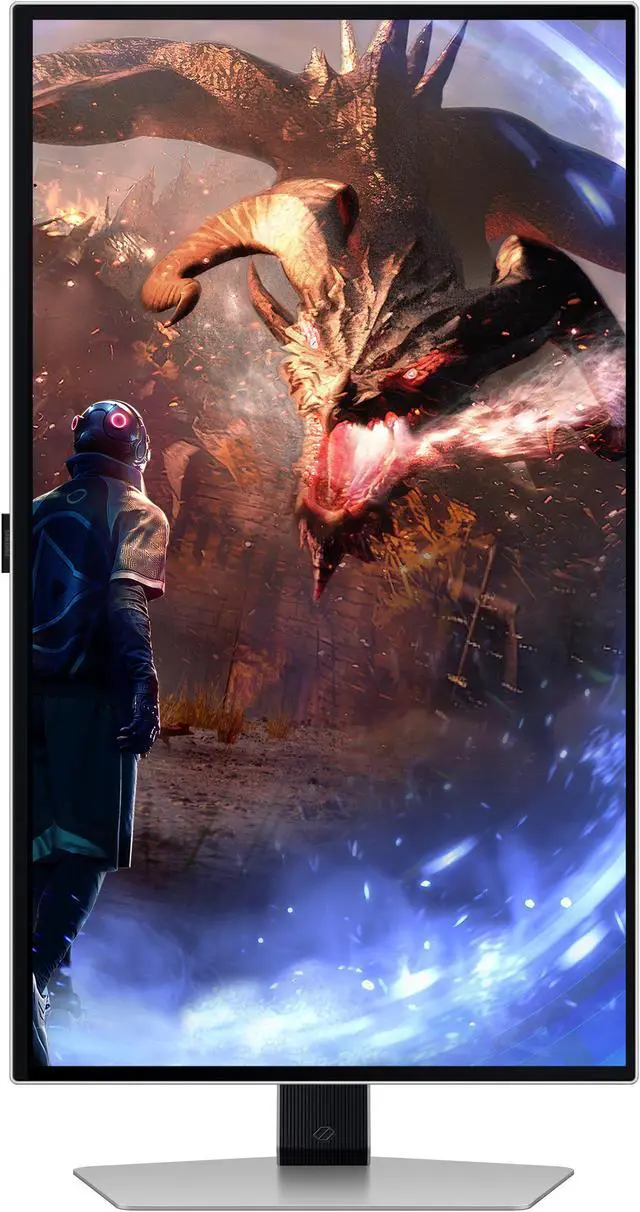
Reach the height of winning. Swivel, tilt, and adjust your monitor until all enemies are in perfect view. Your display can be moved freely so you can find total gaming comfort.
* Logo color on the monitor may vary based on time of purchase.