
Your Browsing History


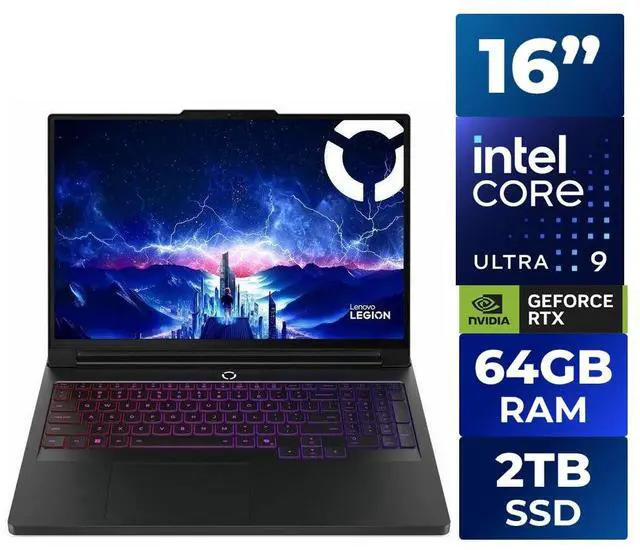
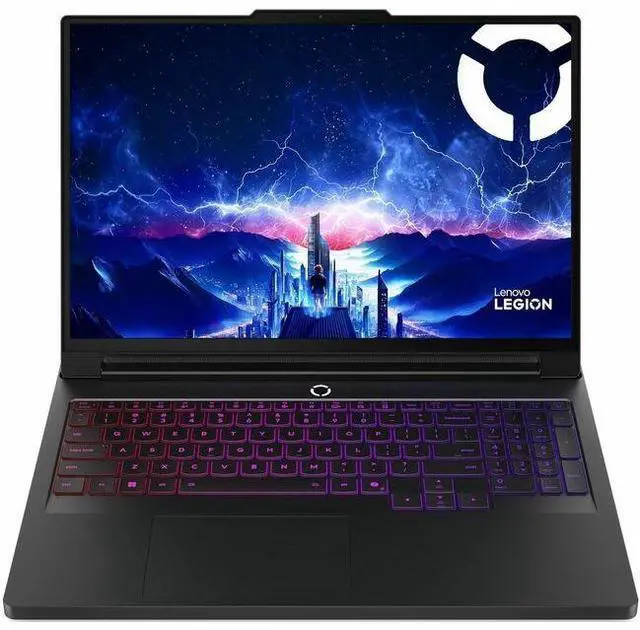
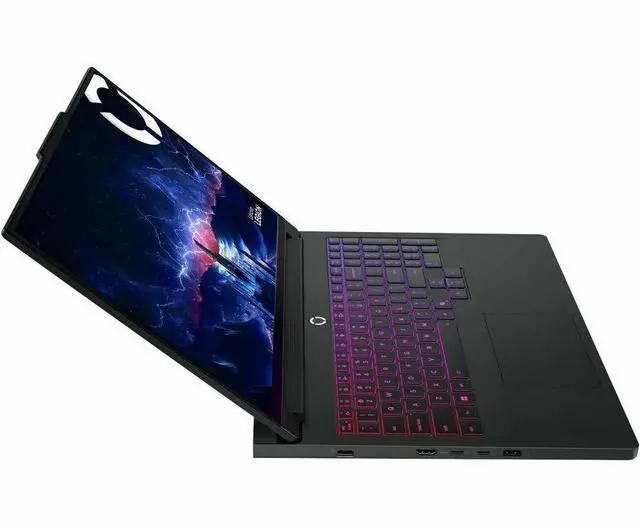
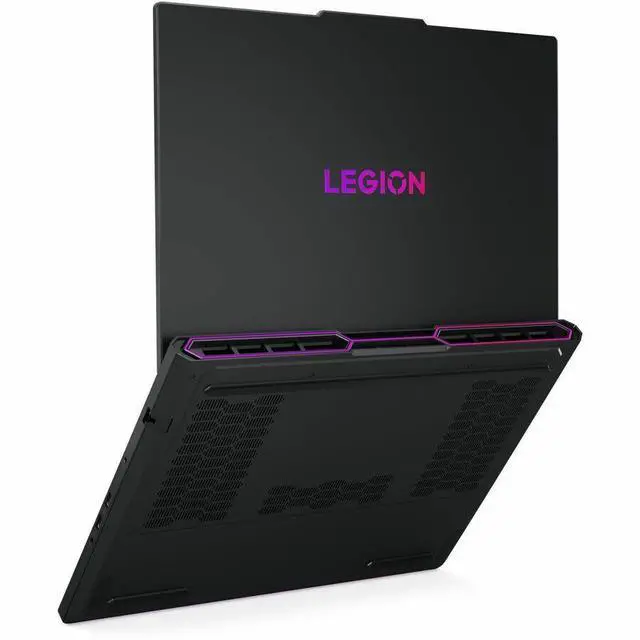
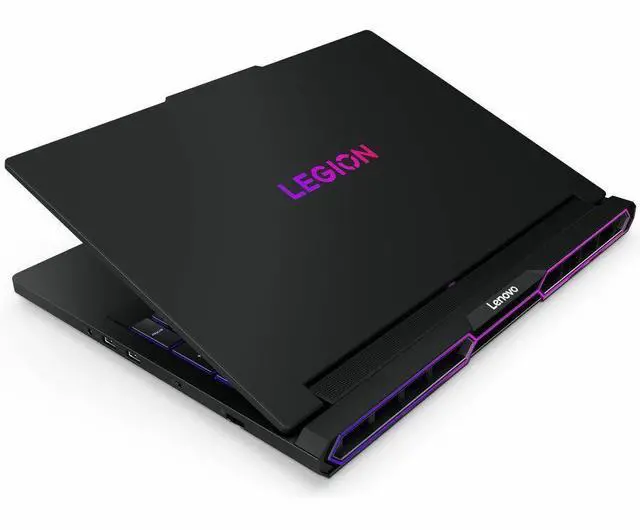
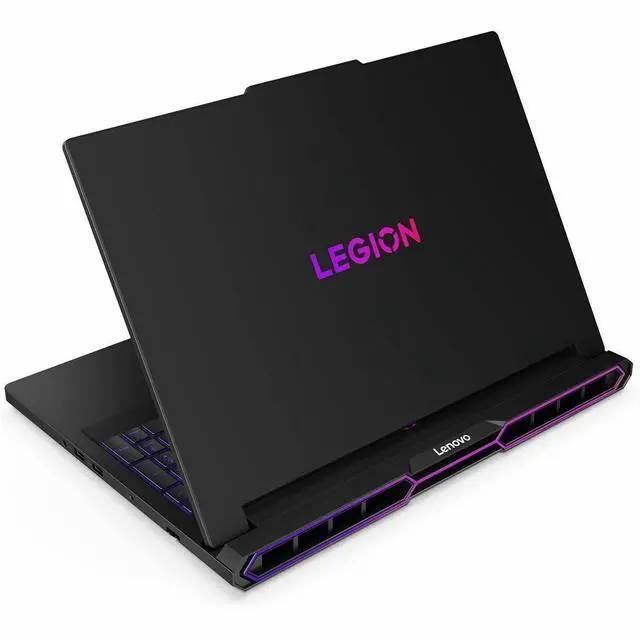
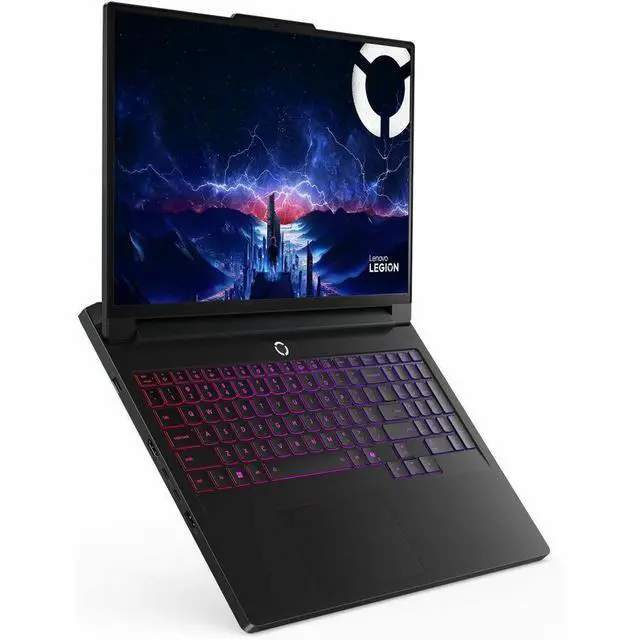
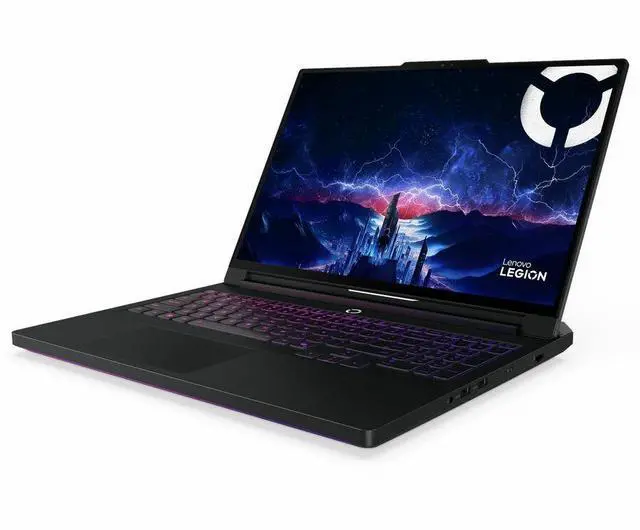
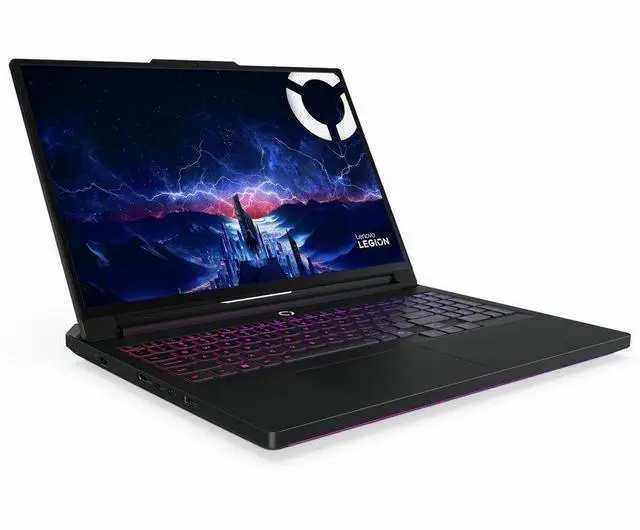


Lenovo Legion Pro 7 16IAX10H 16" Gaming Notebook - Intel Core Ultra 9 275HX - 64GB - 2TB SSD - Black - Windows 11 Pro - NVIDIA GeForce RTX 5090 with 24 GB -Webcam - IEEE 802.11be Wireless 83F5001RUS
Free gifts w/ purchase, limited offer
- 16" display with 2560 x 1600 resolution delivers stunning clarity for movies, games, and photos, offering an immersive and captivating visual experience
- 2 TB SSD provides ample storage and significantly faster data transfer speeds compared to standard hard drives for enhanced performance and efficiency
- With 64 GB of memory, you can run numerous programs simultaneously without any degradation in performance
- Usage: 3D/CAD Rendering, AI/Machine Learning, Art Creative, Gaming, Heavy Multitasking, Programing
+
+
Overview
Specs
Reviews
Out-Play. Out-Perform. Out-Pro.
Unlock your eSports potential with this 16" AI-enhanced gaming laptop that's built to keep you at the top of the rankings no matter what lobby you're in.Ultimate Performance for Gamers
Experience next-level gaming and productivity with Intel Core Ultra processors. Enjoy ultra-smooth gameplay, seamless multitasking, and AI-accelerated creative tasks. Connect all peripherals with Thunderbolt 4, and boost unplugged playtime with cooler, quieter performance for gaming, streaming, and creating.
NVIDIA Geforce RTX 50 Series Laptop GPU - Game ChangerNVIDIA DLSS 4
DLSS is a suite of neural rendering technologies that uses Al to boost FPS, reduce latency, and improve image quality. DLSS 4, brings Multi Frame Generation and Super Resolution, powered by GeForce RTX 50 Series GPUs and fifth-generation Tensor Cores.Ray TracingCinematic quality visuals at unprecedented speed, enabled by 4th gen RT Cores and breakthrough neural rendering technologies accelerated with fifth generation Tensor cores.
NVIDIA Reflex 2
Reflex 2 with Frame Warp gives you the ultimate responsiveness, enhancing target acquisition, reaction time, and aim precision.
Expansive Gaming Library
Enjoy 3 Months of PC Game Pass on Lenovo Legion DevicesPlay hundreds of PC games, and day one blockbusters like Halo Infinite and Overwatch 2, with your new Lenovo Legion devices and 3 months of PC Game Pass - including EA play. With new games added all the time, there's always something new to play.
Lenovo AI Engine+
Smart Performance for VictoryLenovo AI Engine+ gives eSports grandmasters the edge to win with real-time Scenario Detection for optimized FPS and smarter resource allocation. Smart FPS ensures buttery-smooth performance and fine-tunes CPU/GPU for top tier competitive play. Drive your gameplay with AI-powered precision and dominate every moment on the battlefield.
Lenovo Puresight OLED Gaming Display
Outsee Your Competition on the Darkest MapsOLED ClarityA 16" OLED display provides clarity and precision for fast-paced, eSports competition with the responsiveness of 240hz refresh rate.Lightning-Fast Response Time & Smart FPSEnables instant reactions and adjusts FPS for smooth, high-performance gameplay at < 0.5ms response times.
Crystal-Clear Resolution & Superior ContrastSpot hidden opponents in dark areas for a tactical advantage in any game with improved contrast ratio 1,000,000:1 vs 1200:1 of traditional IPS panels. VESA TrueBlack 1000 delivers deeper blacks and superior contrast, while 100% DCI-P3 color accuracy ensures vibrant, true-to-life visuals.
Anti-Burn-In TechnologyPrevents screen burn-in during long gaming sessions, ensuring lasting performance for those competitive marathons.
Legion Coldfront: Vapor with Integrated Hyperchamber
The Legion Pro 7i's Coldfront technology pushes performance to the limit with a massive vapor chamber and integrated HyperChamber design, driving total TDP to 250W with an additional 15W boost. Acoustic Al adjusts fan speeds for quieter gameplay, while the optimized airflow design enhances comfort. Switch modes instantly with the Fn+Q command, and let Lenovo Al Engine+ optimize cooling and power.
Fn+Q with Intelligent Fan ModeSwitch easily between Performance and Extreme Modes, optimizing cooling to match your gameplay and prevent overheating with additional integration of Lenovo Al Engine+ in Performance Mode.Legion Coldfront: VaporA combination of turbo-charged fans, a massive vapor chamber, and additional vacuum-sealed HyperChamber technology pushes your system to the absolute limit of peak gaming laptop performance.Massive Vapor Chamber with HyperChamberThe 250W vapor chamber delivers 15W more performance, ensuring quieter cooling and consistent gameplay without thermal throttling
Unlock your eSports potential with this 16" AI-enhanced gaming laptop that's built to keep you at the top of the rankings no matter what lobby you're in.Ultimate Performance for Gamers
Experience next-level gaming and productivity with Intel Core Ultra processors. Enjoy ultra-smooth gameplay, seamless multitasking, and AI-accelerated creative tasks. Connect all peripherals with Thunderbolt 4, and boost unplugged playtime with cooler, quieter performance for gaming, streaming, and creating.
NVIDIA Geforce RTX 50 Series Laptop GPU - Game ChangerNVIDIA DLSS 4
DLSS is a suite of neural rendering technologies that uses Al to boost FPS, reduce latency, and improve image quality. DLSS 4, brings Multi Frame Generation and Super Resolution, powered by GeForce RTX 50 Series GPUs and fifth-generation Tensor Cores.Ray TracingCinematic quality visuals at unprecedented speed, enabled by 4th gen RT Cores and breakthrough neural rendering technologies accelerated with fifth generation Tensor cores.
NVIDIA Reflex 2
Reflex 2 with Frame Warp gives you the ultimate responsiveness, enhancing target acquisition, reaction time, and aim precision.
Expansive Gaming Library
Enjoy 3 Months of PC Game Pass on Lenovo Legion DevicesPlay hundreds of PC games, and day one blockbusters like Halo Infinite and Overwatch 2, with your new Lenovo Legion devices and 3 months of PC Game Pass - including EA play. With new games added all the time, there's always something new to play.
Lenovo AI Engine+
Smart Performance for VictoryLenovo AI Engine+ gives eSports grandmasters the edge to win with real-time Scenario Detection for optimized FPS and smarter resource allocation. Smart FPS ensures buttery-smooth performance and fine-tunes CPU/GPU for top tier competitive play. Drive your gameplay with AI-powered precision and dominate every moment on the battlefield.
Lenovo Puresight OLED Gaming Display
Outsee Your Competition on the Darkest MapsOLED ClarityA 16" OLED display provides clarity and precision for fast-paced, eSports competition with the responsiveness of 240hz refresh rate.Lightning-Fast Response Time & Smart FPSEnables instant reactions and adjusts FPS for smooth, high-performance gameplay at < 0.5ms response times.
Crystal-Clear Resolution & Superior ContrastSpot hidden opponents in dark areas for a tactical advantage in any game with improved contrast ratio 1,000,000:1 vs 1200:1 of traditional IPS panels. VESA TrueBlack 1000 delivers deeper blacks and superior contrast, while 100% DCI-P3 color accuracy ensures vibrant, true-to-life visuals.
Anti-Burn-In TechnologyPrevents screen burn-in during long gaming sessions, ensuring lasting performance for those competitive marathons.
Legion Coldfront: Vapor with Integrated Hyperchamber
The Legion Pro 7i's Coldfront technology pushes performance to the limit with a massive vapor chamber and integrated HyperChamber design, driving total TDP to 250W with an additional 15W boost. Acoustic Al adjusts fan speeds for quieter gameplay, while the optimized airflow design enhances comfort. Switch modes instantly with the Fn+Q command, and let Lenovo Al Engine+ optimize cooling and power.
Fn+Q with Intelligent Fan ModeSwitch easily between Performance and Extreme Modes, optimizing cooling to match your gameplay and prevent overheating with additional integration of Lenovo Al Engine+ in Performance Mode.Legion Coldfront: VaporA combination of turbo-charged fans, a massive vapor chamber, and additional vacuum-sealed HyperChamber technology pushes your system to the absolute limit of peak gaming laptop performance.Massive Vapor Chamber with HyperChamberThe 250W vapor chamber delivers 15W more performance, ensuring quieter cooling and consistent gameplay without thermal throttling
Warranty & Returns
Warranty, Returns, And Additional Information
Warranty
- Limited Warranty period (parts): 1 year
- Limited Warranty period (labor): 1 year
- Read full details
Return Policies
- Return for refund within: 15 days
- Return for replacement within: 15 days
- This item is covered by Newegg.ca's 15-Day Return Policy.
- Read full return policy for details.
Manufacturer Contact Info
LOADING...
Learn about this product
The Lenovo Legion Pro 7 16IAX10H is a 16-inch high-performance gaming laptop with an Intel Core Ultra 9 processor, GeForce RTX 5090 24GB graphics, 64GB RAM, and a 2TB SSD, making it well suited for gamers, AI/ML workloads, 3D rendering, and heavy multitasking in a desktop-replacement setup.
Recommended For
- Desk-based gamers who want a desktop-replacement laptop for AAA play at 1600p and typically game plugged in. Reviews consistently position the Legion Pro 7i Gen 10 as a high-wattage, top-tier gaming machine rather than a travel-first laptop, with especially strong results when performance mode is used.
- Users who need one machine for gaming plus heavy local GPU work such as 3D rendering, Unreal workflows, AI experimentation, or large creative projects, and who benefit from a full-power RTX 5090 laptop GPU, 24GB VRAM, and up to 64GB memory in a single system.
- Buyers who care about tuning and sustained performance more than thinness. Review coverage highlights strong cooling consistency and Lenovo's control options for performance, fan behavior, and power profiles, which suits enthusiasts who actively tweak settings for different games or workloads.
- Users replacing both a gaming rig and a high-end workstation, but who still need occasional room-to-room portability. Community and review discussion frames this model as transportable rather than ultraportable: practical for moving between home, office, or events, while keeping desktop-class expectations.
Real-World Use Scenarios
- Playing current AAA games at the laptop’s native 2560×1600 resolution with high or ultra settings is the clearest fit: reviewers position the Legion Pro 7i Gen 10 as a top-tier 16-inch gaming notebook, so users can generally expect very high frame rates and smooth motion on the 240Hz panel, with the biggest gains showing at QHD-class settings rather than chasing desktop-style 4K use.
- Using the laptop for Blender, GPU rendering, large textures, or heavier Unreal/3D content work is a realistic crossover scenario: the 24GB GPU memory and review commentary around the 5090 configuration point to better headroom for demanding creative workloads than gaming-only laptops, especially when scenes or assets start to exceed what lower-VRAM models handle comfortably.
- Running local AI experiments, LLM inference, or larger CUDA-based notebooks is a practical use case for buyers choosing this configuration over cheaper variants: the combination of a flagship mobile GPU and 64GB system memory is better suited to testing bigger models, handling larger datasets, and keeping multiple developer tools open without constantly swapping workloads.
- As a single-machine setup for programming, virtual machines, and heavy multitasking, this model fits users who want to compile code, keep many browser tabs open, run Docker or local test environments, and still have room for creative or gaming apps; in practice, the experience should feel more like a desktop replacement than a travel-first laptop.
- For buyers expecting long gaming sessions at full load, the real-world pattern is mixed: performance is aimed at sustained high-wattage use, but community reports show that some owners monitor thermals, power behavior, or occasional instability in demanding games, so the likely experience is excellent when tuned properly but less “set and forget” than a mainstream laptop.
Spec Summary
| Attribute | Value |
|---|---|
| Best For | High-performance gaming and demanding creative/professional workloads—suited for gaming, 3D/CAD rendering, AI/machine learning, art/creative work, heavy multitasking, and programming |
| Processor And Core Count | Intel Core Ultra 9 275HX (13th Gen) processor — listed as 1 processor/core, up to 5.4 GHz turbo, 36 MB L3 cache; Intel HM870 chipset |
| GPU And VRAM | NVIDIA GeForce RTX 5090 graphics with 24 GB GDDR7 VRAM, PCI Express interface |
| Display Spec | 16-inch OLED display, 2560 x 1600 (WQXGA) native resolution, 240 Hz refresh rate, up to 500 nits brightness; display features NVIDIA G-SYNC, low blue light, flicker-free |
| Memory Configuration | 64 GB DDR5 (DDR5 SDRAM) at 6400 MHz, 2 RAM slots, maximum supported 64 GB |
| Storage And Expansion | 2 TB solid-state storage (M.2 NVMe form factor / interface) |
| High Speed I O | Four USB-A ports (USB 3.2), one HDMI port, one Thunderbolt port — total external ports listed as 5; includes one Ethernet port (wired) and USB/HDMI video output support |
| Battery And Power | Built-in lithium‑ion battery (1 cell) with listed energy ~4000 mAh; includes standard battery and a 400W slim‑tip AC adapter; battery weight ~300 g |
| Wired And Wireless Networking | Wi‑Fi 802.11ax and Bluetooth wireless; wired networking via single 2.5 Gigabit Ethernet port |
| Webcam And Privacy | Front-facing webcam (built-in) |
| Keyboard And Control | English backlit keyboard with touch pad |
| Portability | Dimensions 10.9 x 14.3 x 1.05 inches; weight ~5.7 lb (item weight listed as 5.67–5.7 lb) |
| External Display And Docking Fit | Supports external displays via HDMI and one Thunderbolt port; compatible with external displays and USB devices |
| Model Identifiers | Lenovo Legion Pro 7 16IAX10H (Model 83F5001RUS), Series: Legion Pro 7, Brand: Lenovo; Manufacturer: Lenovo Group Limited; Release/Model Year: 2025; Edition/Model Name: Pro 7 16IAX10H |
Reference Q&A
Q: Should I buy the Lenovo Legion Pro 7 16IAX10H with RTX 5090 or the RTX 5080 version?
A: Choose the RTX 5090 version if you want the most headroom for 1600p ultra settings, heavier ray tracing, or VRAM-demanding workloads such as AI, 3D rendering, and large texture packs. Lenovo positions both GPUs in the same Legion Pro 7 chassis at up to 175W, and third-party benchmark coverage shows the RTX 5090 laptop GPU is typically a modest step up over the RTX 5080 rather than a different class of performance. In practice, the stronger reason to pick the RTX 5090 configuration is its 24GB of VRAM instead of 16GB, which matters more for long-term high-end use than for mainstream gaming today. If your priority is value within the same design, the RTX 5080 version is usually the more balanced buy; if your priority is maximum GPU memory and top-spec configuration, this RTX 5090 model is the better fit.
Q: Is the Legion Pro 7 RTX 5090 worth choosing over a lower-tier RTX 5070 Ti configuration?
A: Choose the RTX 5090 model when your workload can actually use the extra GPU tier: advanced gaming settings, heavier creator workloads, AI experimentation, or longer-term VRAM needs. Lenovo's official spec sheet places the RTX 5070 Ti configuration at 140W with 12GB of GDDR7, while the RTX 5090 configuration runs at up to 175W with 24GB of GDDR7. That makes this model the better choice for buyers who want more graphics memory, higher sustained GPU power, and less need to compromise on future workloads. A 5070 Ti configuration is the more practical option if you mainly want strong 1600p gaming and lower cost in the same product family.
Q: How does the 2025 Legion Pro 7 Gen 10 compare with the previous-generation Legion Pro 7i Gen 9?
A: The 2025 Legion Pro 7 Gen 10 is the better choice if you want the newer platform benefits as much as raw GPU speed. Compared with the Gen 9 design, Lenovo moved this generation to Intel Core Ultra 9 275HX and updated the display offering to OLED 240Hz on configurations like this one, while review coverage highlights the Gen 10 refresh as a broader platform update rather than a minor spec bump. Community discussions also tend to frame Gen 10 as the more complete package for buyers who care about screen quality, newer GPU options, and platform longevity. A Gen 9 model still makes sense if found at a meaningful discount, especially for buyers focused mainly on price-to-performance.
Q: Should I choose the Legion Pro 7 RTX 5090 or a thinner premium alternative like the Razer Blade 16?
A: Choose the Legion Pro 7 if you want a performance-first 16-inch gaming laptop with fewer compromises around sustained power. Review comparisons place the Legion Pro 7i Gen 10 against thinner premium competitors and generally position Lenovo's system around stronger value-per-performance and a more gaming-focused thermal approach, while thinner designs such as the Blade 16 trade some sustained performance margin for a slimmer, more travel-friendly build. This Legion configuration is the better fit if gaming performance, cooling capacity, and 24GB of VRAM matter more than reduced size and weight.
Q: Is the Legion Pro 7 RTX 5090 a better pick than Lenovo's larger Legion 9i for most buyers?
A: For most buyers who want maximum GPU performance in a 16-inch format, this Legion Pro 7 RTX 5090 is the more straightforward choice. Community comparisons consistently treat the Legion 9i as the more premium, larger-format option with extras such as a bigger display and creator-leaning features, while the Legion Pro 7 is the simpler performance-first choice. If you want a more portable 16-inch system with top-tier graphics, this model makes more sense. If you specifically want a larger screen, more premium chassis details, or workstation-style extras, the Legion 9i is the better match.
Q: Is this a good replacement for a desktop for gaming, 3D work, or AI/ML projects?
A: Yes for users who need near-desktop-class mobile performance. This configuration pairs a Core Ultra 9 275HX, RTX 5090 24GB, 64GB RAM, and 2TB SSD, so it fits demanding workloads such as high-end gaming, 3D/CAD rendering, content creation, and local GPU-heavy AI tasks better than typical thin gaming laptops. The main trade-offs are price, weight, and portability.
Q: Is it a good travel work laptop for meetings, office work, and everyday carry?
A: It can handle office work and video meetings easily, but it is not an ideal travel-first laptop. At 5.7 lb and about 1.05 inches thick, it is better suited to users who prioritize power over mobility. For frequent travel, a thinner 16-inch alternative is usually easier to carry; this model makes more sense if your work also includes gaming, rendering, or other GPU-intensive tasks.
Q: Who is this laptop actually suitable for?
A: This laptop is best for buyers who want one machine for premium gaming and heavy professional workloads. It is well matched to gamers, 3D artists, CAD users, developers, and creators who will benefit from 64GB memory and an RTX 5090 with 24GB VRAM. It is less suitable for shoppers who mainly need web, note-taking, email, or basic office apps, because they would be paying for far more GPU and thermal capacity than they need.
Q: Is it better than a thinner alternative like the ASUS ROG Zephyrus G16?
A: It is better if maximum sustained performance matters more than thinness. Thinner 16-inch models such as the Zephyrus G16 are commonly considered for portability, battery, and lower carry weight, but retail Q&A around those systems repeatedly focuses on thermal limits and configuration trade-offs. A heavier Legion-class design is usually the better fit for buyers who want fewer compromises in GPU power, cooling headroom, and multitasking capacity.
Q: Are the 64GB RAM and 2TB SSD meaningful, or overkill for most buyers?
A: They are meaningful for advanced users, but excessive for basic use. For gaming plus heavy multitasking, content creation, large project files, virtual machines, or AI workloads, 64GB RAM and 2TB storage reduce upgrade pressure and make the system more practical long term. For buyers focused on schoolwork, meetings, streaming, and light office tasks, these specs are more than necessary.
Q: Who is the Lenovo Legion Pro 7 16IAX10H RTX 5090 best suited for?
A: This model is best suited for buyers who want a desktop-class gaming or creator laptop and are willing to accept a heavier 16-inch chassis. Its 64GB RAM, 2TB SSD, Core Ultra 9 CPU, and RTX 5090 24GB make it a stronger fit for high-end gaming, 3D work, AI/ML experimentation, and heavy multitasking than for casual school or travel use.
Q: Is the Legion Pro 7 RTX 5090 worth buying over cheaper configurations?
A: It is worth buying mainly if you specifically need top-tier mobile GPU performance or the 24GB of VRAM. Reddit discussions repeatedly frame the RTX 5090 model as a premium choice with strong performance, but also question whether the extra cost is justified for 1600p gaming when lower configurations may already be enough. For most buyers, the value depends more on price than on raw specs alone.
Q: Is this a good laptop for AI, 3D, or professional heavy workloads?
A: Yes, it is a strong fit for local AI, 3D, rendering, and other GPU-heavy workloads because the RTX 5090 includes 24GB of VRAM and the system pairs it with 64GB of RAM. That makes it more suitable than mainstream gaming laptops for larger models, heavier scenes, and multitasking. The trade-off is that you are paying for performance headroom that many gaming-only buyers will not fully use.
Q: What are the main trade-offs of choosing this laptop?
A: The main trade-offs are price, size, and mobility. At 5.7 lb with a 16-inch performance-first design, it is closer to a portable workstation or gaming replacement than a travel-friendly everyday laptop. Community discussion also focuses on thermals and tuning expectations that typically come with flagship gaming laptops, so buyers should expect high performance first and convenience second.