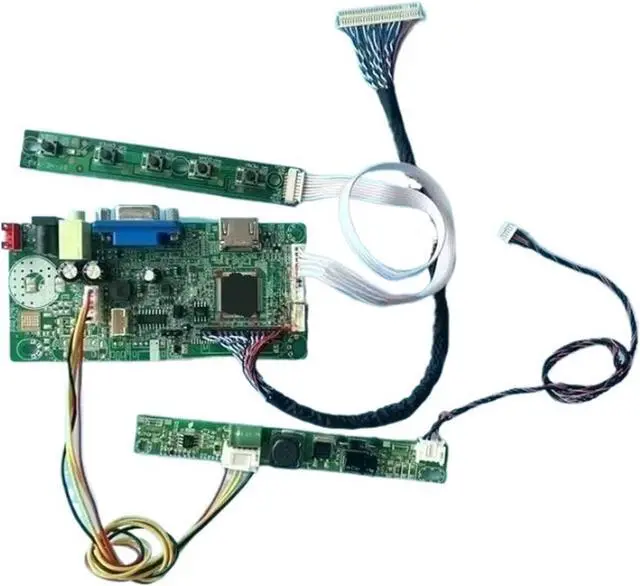
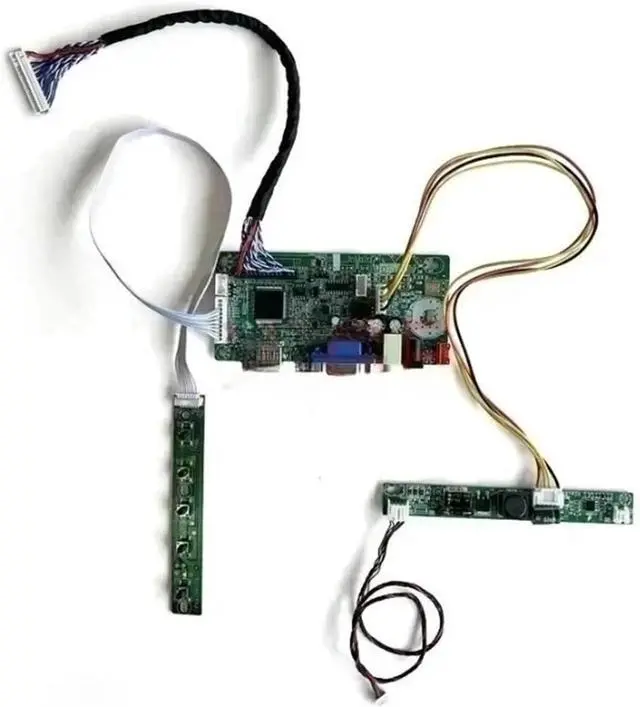
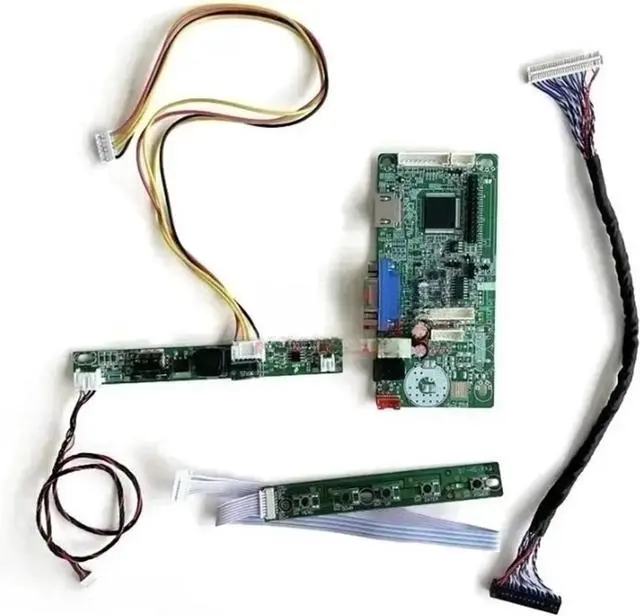
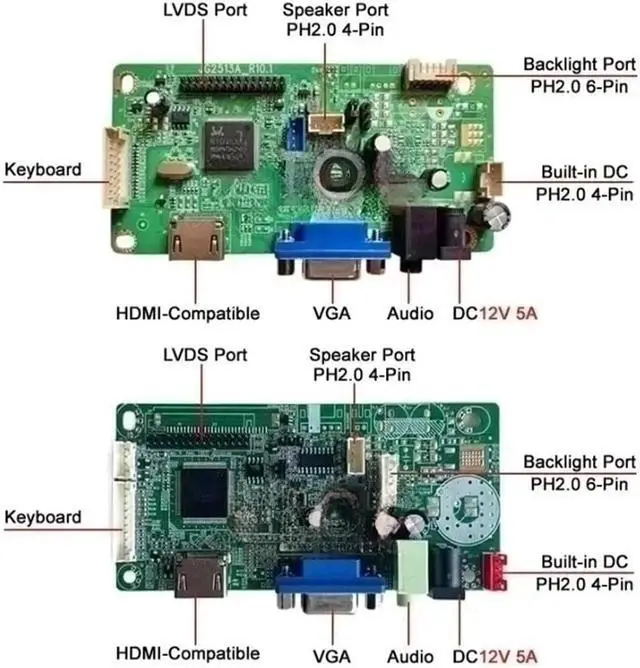
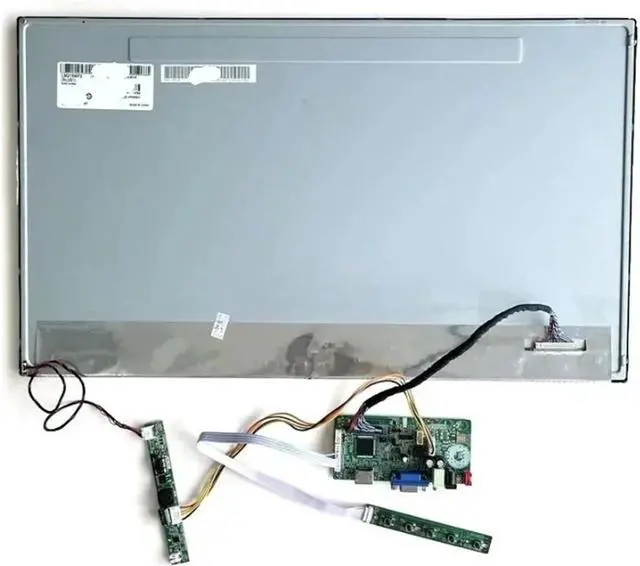
Signal processing core: converts the video signal output by the host into a screen-recognizable format, drives the display, and processes brightness and color adjustment instructions.
High interface matching requirements: the input interface needs to be consistent with the output of the host, and the output interface needs to fit the screen interface, otherwise communication cannot be made.
Strict screen adaptability: It must correspond to the screen model, resolution, and panel type (TN/IPS, etc.), and inconsistent parameters will cause abnormal display.
Power and power consumption management: Provides stable screen voltage, supports low-power mode, and extends battery life with laptop power systems.
Big difference from external boards: small size, relying on notebook motherboard power supply and signal, and the degree of functional integration is higher than that of external display driver boards.