









We want to ensure your holiday shopping this year is hassle-free. That’s why we’re automatically extending our return policies on almost every product! For purchases placed between November 1st, 2026 and December 31, 2026 you will have until January 31, 2027 to return your product.
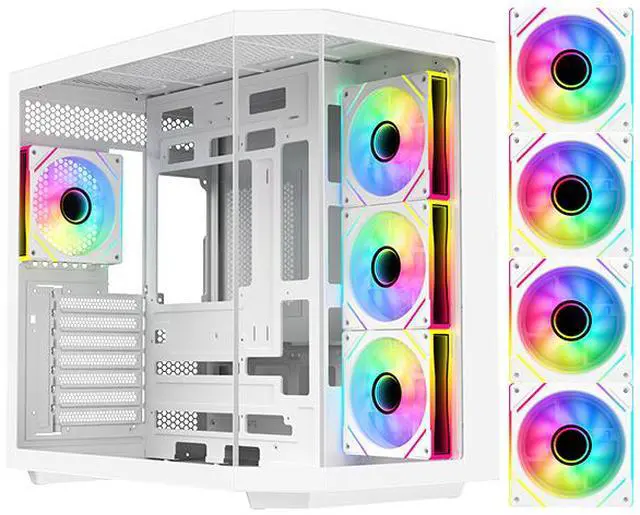
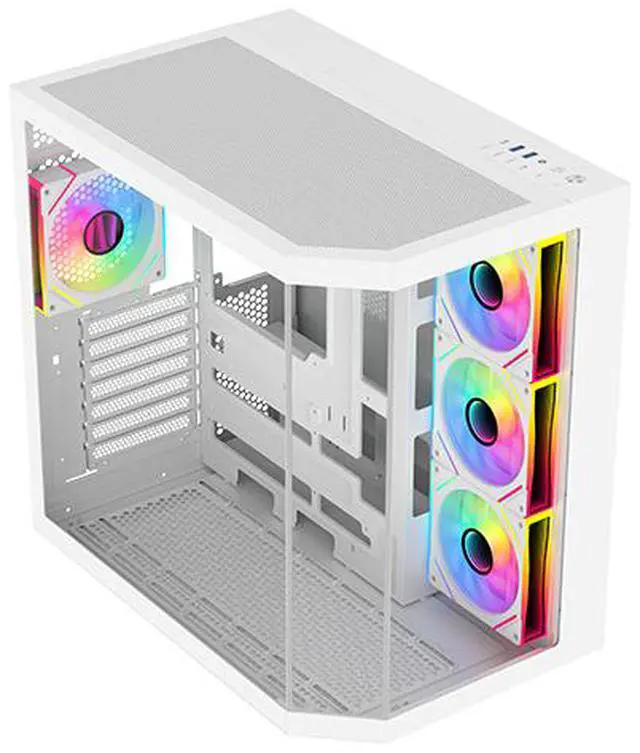
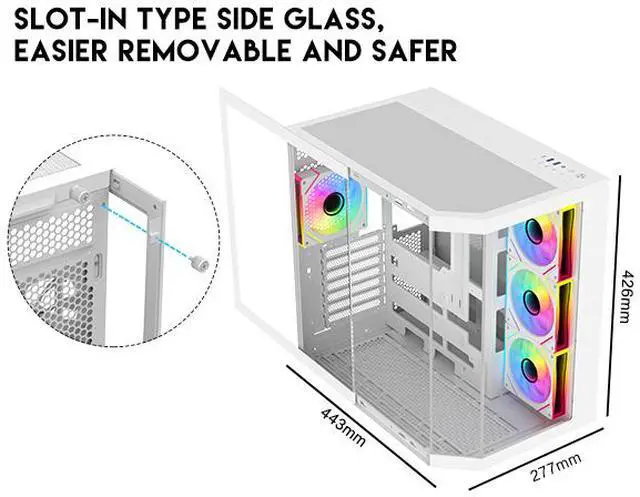
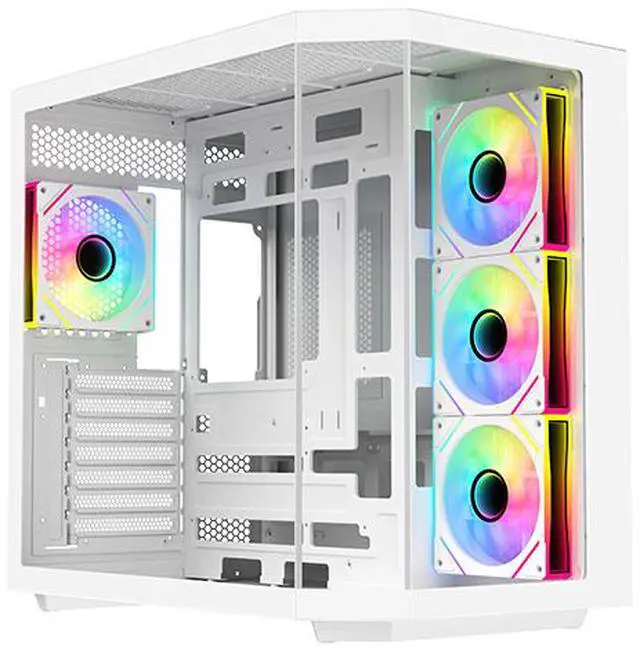
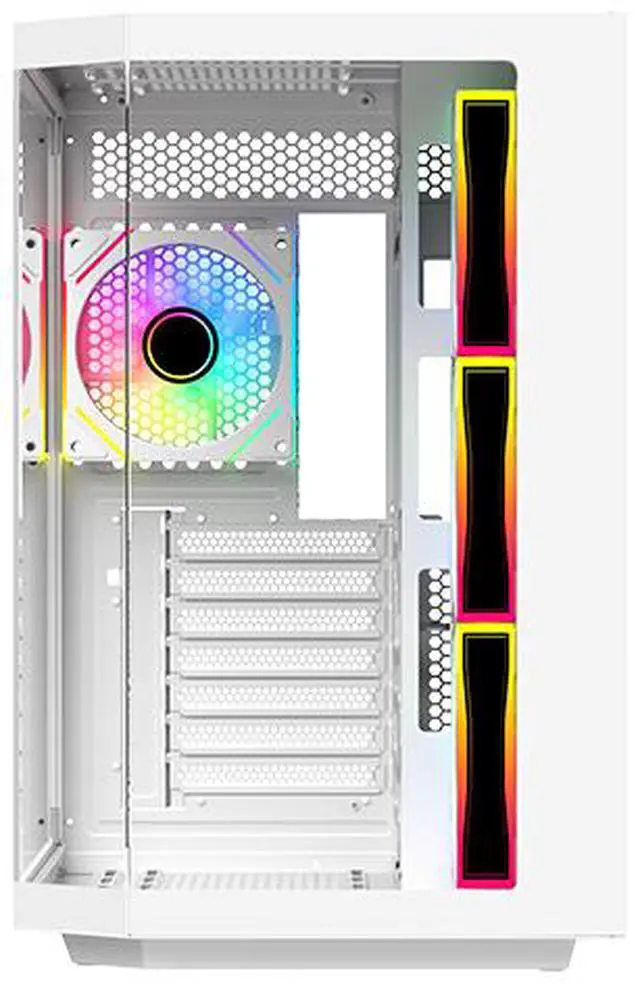
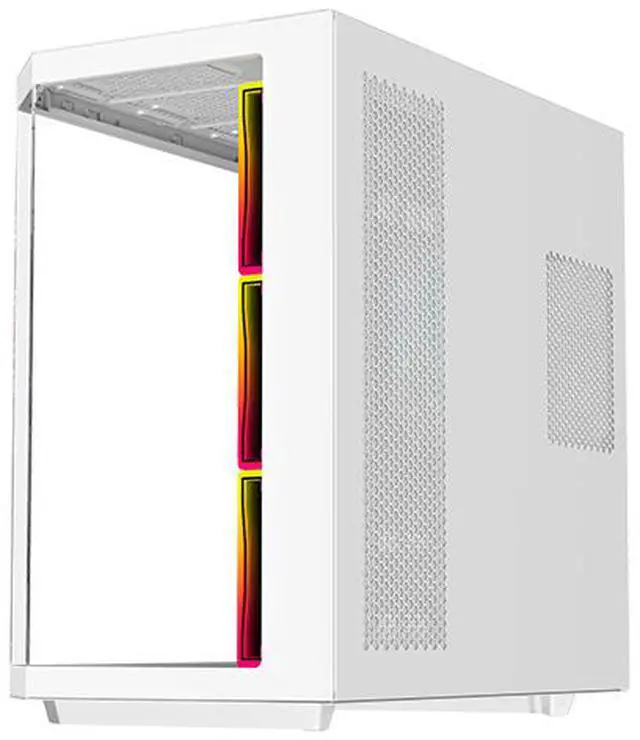
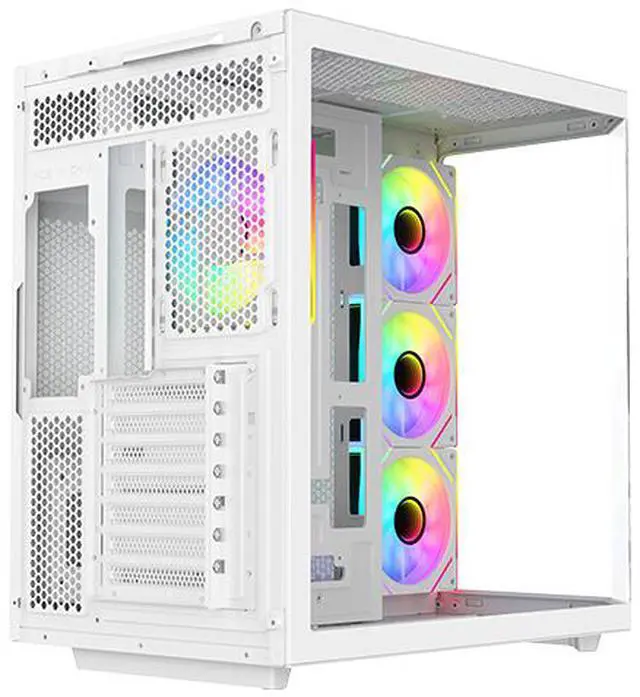
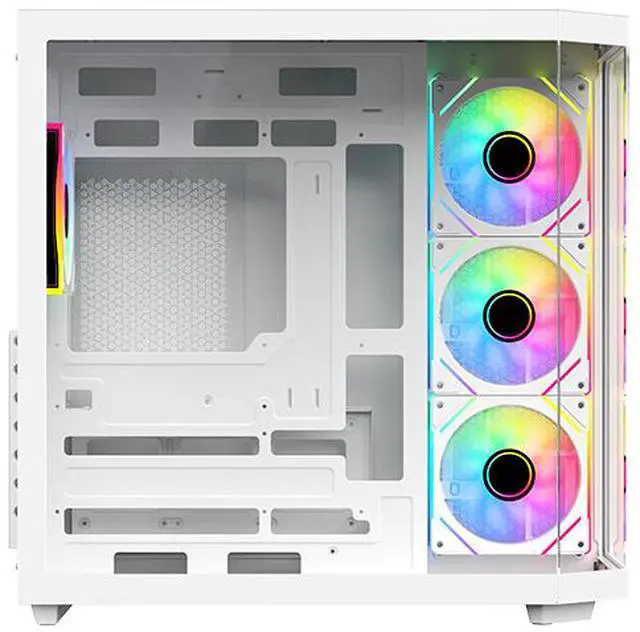
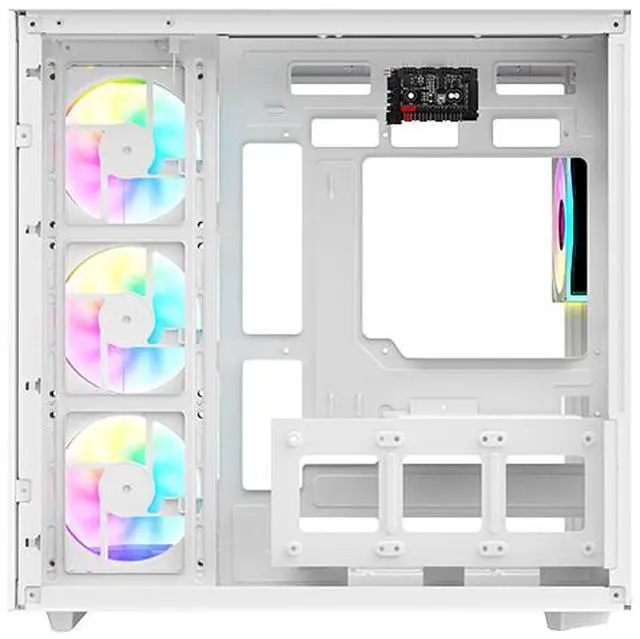
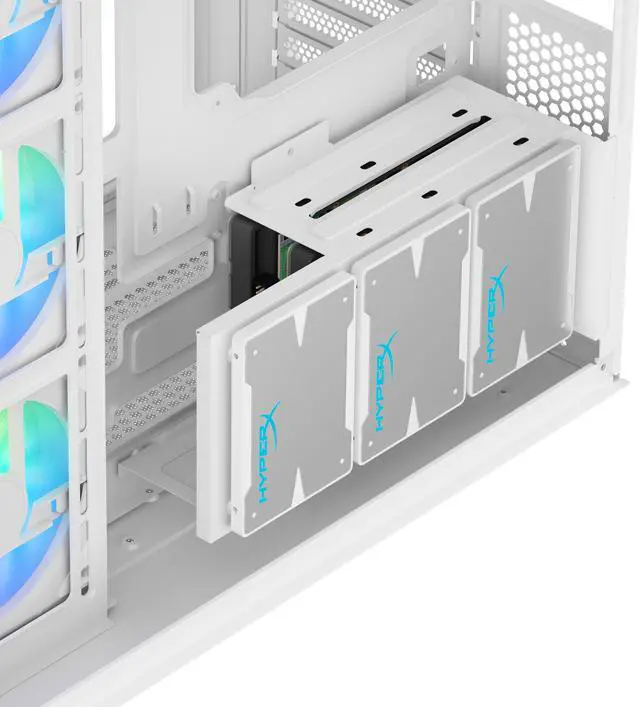
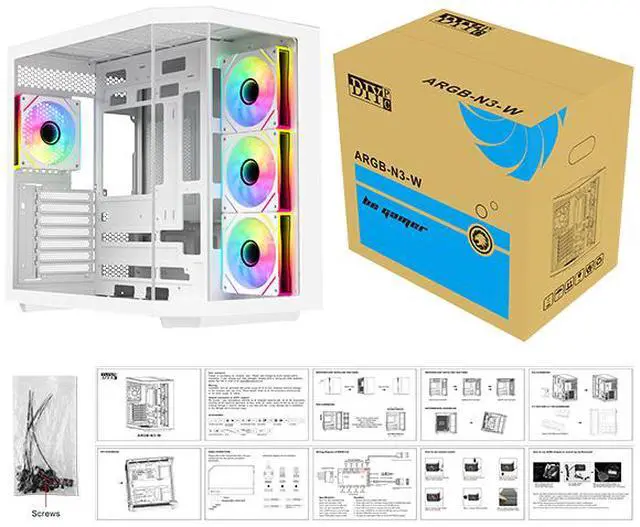
The DIYPC ARGB-N3-W is a white dual-chamber E-ATX/ATX PC case with three tempered-glass panels, four pre-installed ARGB PWM fans, and support for up to 10 fans, making it a strong fit for showcase gaming builds that need high airflow, modern front I/O, and room for large GPUs and 360mm radiators.
Q: Should I buy the DIYPC ARGB-N3-W or the Montech XR?
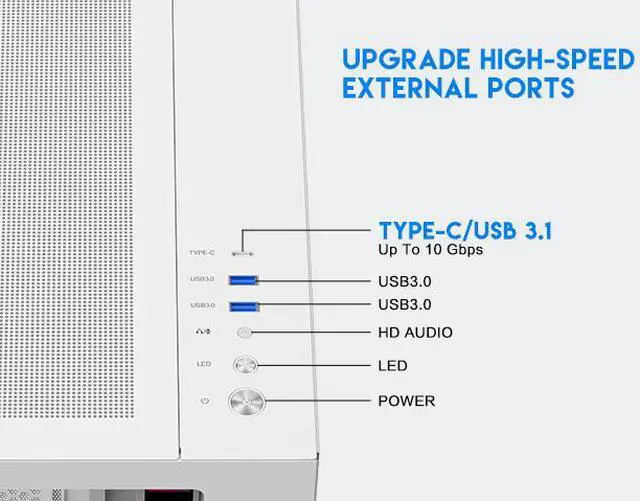
A: Choose the DIYPC ARGB-N3-W if you want a panoramic dual-chamber layout with broader motherboard support up to E-ATX, native front USB-C, four pre-installed PWM ARGB fans, and room for very long GPUs up to 420 mm. Choose the Montech XR if you want a more established review track record for build quality and acoustics from major case reviewers. In short: the DIYPC case is the stronger value play when size, glass presentation, and included features matter more; the Montech XR is the safer pick when you prioritize reviewed refinement and buyer confidence.
Q: Is the DIYPC ARGB-N3-W worth it over a cheaper standard ATX airflow case?
A: Yes, if your goal is a showcase build with more glass, dual-chamber cable separation, built-in ARGB presentation, and support for larger parts such as E-ATX boards, 360 mm radiators, and 420 mm GPUs. A cheaper standard ATX airflow case usually makes more sense when you want a lighter chassis, simpler layout, or lower total build cost. The trade-off is straightforward: the DIYPC ARGB-N3-W is the better fit for visual-first, large-component builds, while a simpler airflow tower is the better fit for budget-first or compact practicality.
Q: Should I step up from the DIYPC ARGB-N3-W to a higher-tier panoramic case like the Antec C5?
A: Move up to the Antec C5 if you want a more premium panoramic execution, more heavily reviewed build experience, and a stronger quality-focused reputation from professional reviewers. Stay with the DIYPC ARGB-N3-W if you mainly want the same dual-chamber, glass-heavy concept with included fans and modern I/O at a more budget-conscious level. The practical decision is this: the DIYPC case covers the core layout and compatibility needs, while the Antec C5 makes more sense if finish quality and review-backed polish are worth paying extra for.
Q: Is the DIYPC ARGB-N3-W a better choice than an older or simpler DIYPC case?
A: Usually yes if you want the newer panoramic dual-chamber format, front USB-C, four included PWM ARGB fans, and support for larger cooling and graphics hardware. Older or simpler DIYPC cases can still be the better fit for lower-cost builds, especially if you do not need E-ATX support, a showcase layout, or large-radiator flexibility. Put simply: the ARGB-N3-W is the better upgrade inside DIYPC's lineup for users moving toward modern display-style builds rather than basic function-first towers.
Q: Is the DIYPC ARGB-N3-W good for a portability-focused build, or is it better for a performance-first desktop?
A: It is better for a performance-first desktop. The ARGB-N3-W is designed around component clearance, display aesthetics, and cooling flexibility rather than compact transport. Its dual-chamber structure, triple-glass presentation, and support for 360 mm radiators and 420 mm GPUs make more sense for a stationary build where size is an advantage. If portability or frequent moving matters more, a smaller airflow-oriented case is usually the better choice.
Q: Is this a good case for a high-airflow gaming build with a large GPU and AIO cooling?
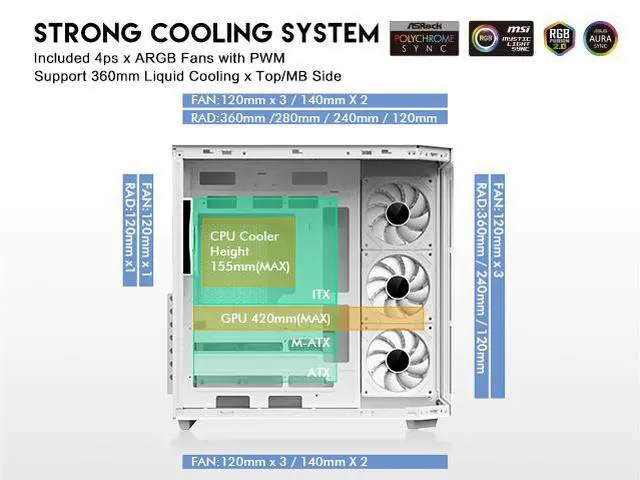
A: Yes, if your priority is fitting large parts in a display-focused dual-chamber case. Based on the product data, it supports GPUs up to 420 mm, up to two 360 mm radiator positions, and comes with four pre-installed PWM ARGB fans. That makes it suitable for modern gaming builds that need strong GPU clearance and flexible liquid-cooling support. The main trade-off is that it is optimized around showcase styling and compatibility, not compact size or maximum tower-air-cooler clearance.
Q: Will this case fit an E-ATX motherboard, a long graphics card, and a standard ATX power supply?
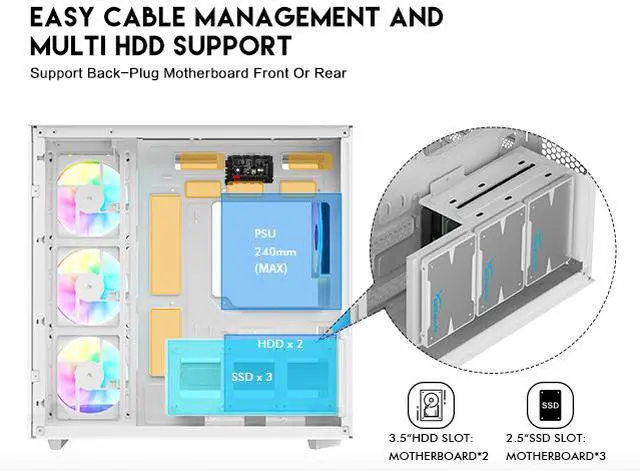
A: For most full-size gaming parts, yes. The product data says it supports E-ATX, ATX, Micro ATX, and Mini-ITX motherboards, GPUs up to 420 mm, and ATX power supplies up to 200 mm long. That makes it a practical choice for builders using larger boards or long modern graphics cards. You should still check radiator thickness and cable space if you plan a very large PSU or a complex liquid-cooling setup.
Q: Is this case a better fit for a showcase RGB build or for a quiet, compact build?
A: It is better suited to a showcase RGB build. The three tempered-glass panels, dual-chamber layout, and four pre-installed ARGB fans make it a stronger choice for users who want visibility, lighting, and roomy component support. It is less ideal if your main goal is a small footprint, understated looks, or maximum compatibility with very tall air coolers, since CPU cooler clearance is limited to 155 mm.
Q: Does it come with enough fans for a first build, or should I expect to buy more?
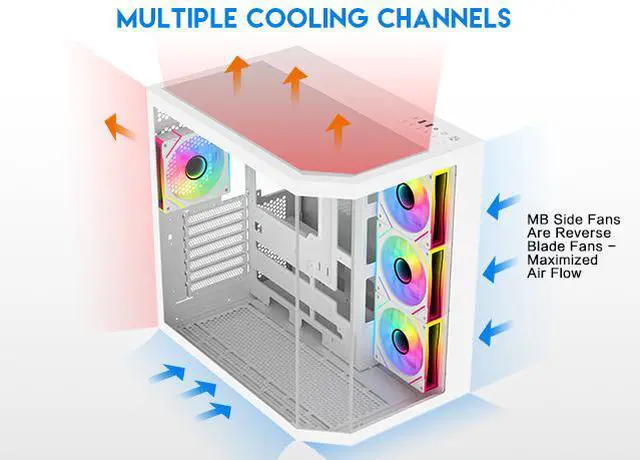
A: For a first build, it should be usable out of the box because it includes four pre-installed PWM ARGB fans and an ARGB/PWM hub. That is enough to get a gaming system running with basic airflow and lighting control. You may still want extra top or bottom fans later if you are building a hotter system or want more balanced airflow, since the case supports up to 10 total fans.
Q: Who is this case most suitable for?
A: This case is most suitable for PC builders who want a white panoramic case with modern front I/O, visible RGB lighting, and room for larger gaming components. It fits users building around E-ATX or ATX boards, long graphics cards, and 360 mm liquid coolers. It is less suitable for buyers who prioritize minimal size, very quiet closed-panel designs, or oversized tower air coolers above 155 mm.