


- Free 81-day Returns
- $12.99 Shipping
$272.99
Sold by Newegg
Shipped by Newegg
Add to Wish List(Found on 118 wish lists)


Get Educated
Make informed decisions with expert advice. Learn More


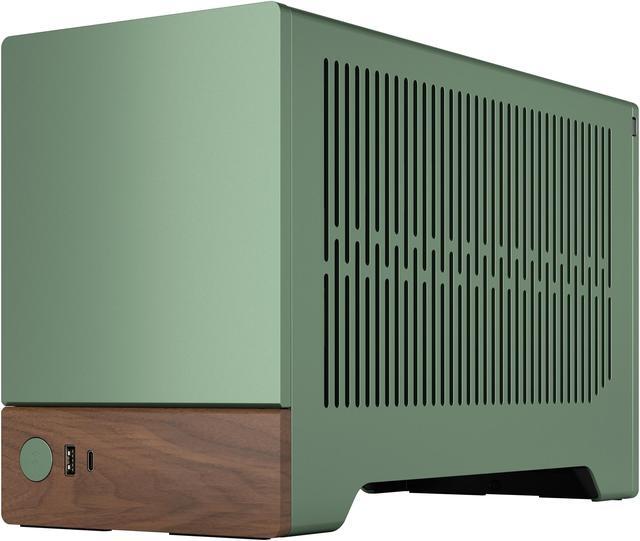
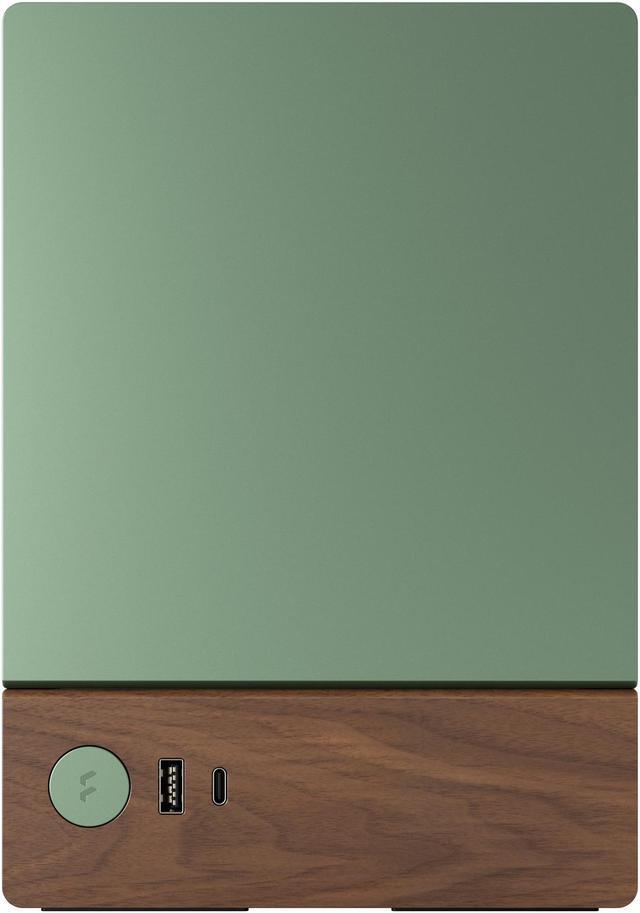
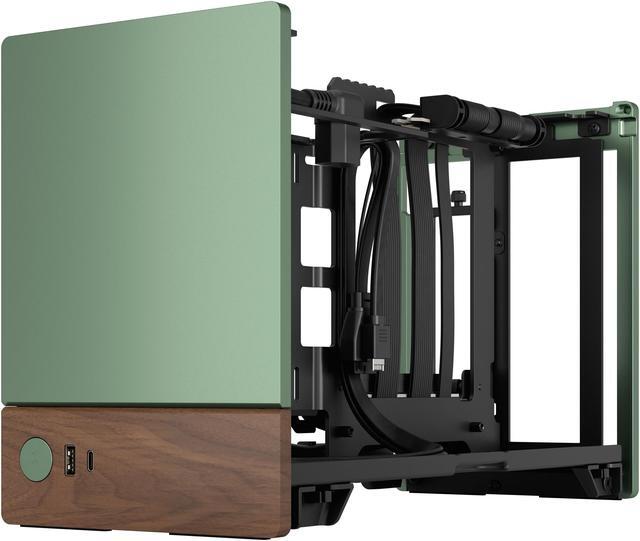
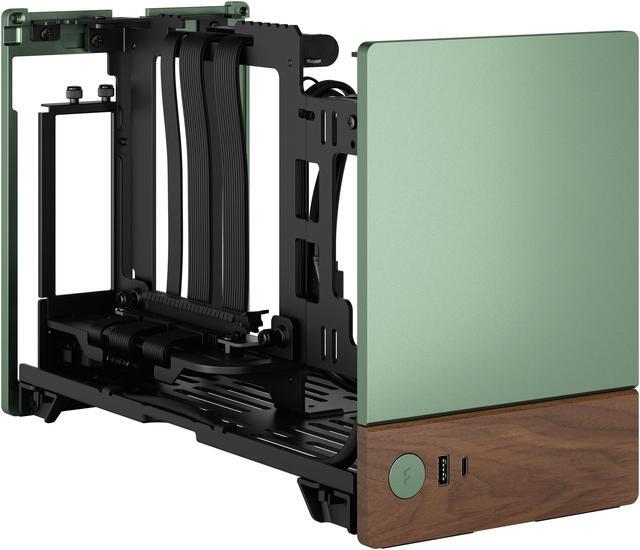
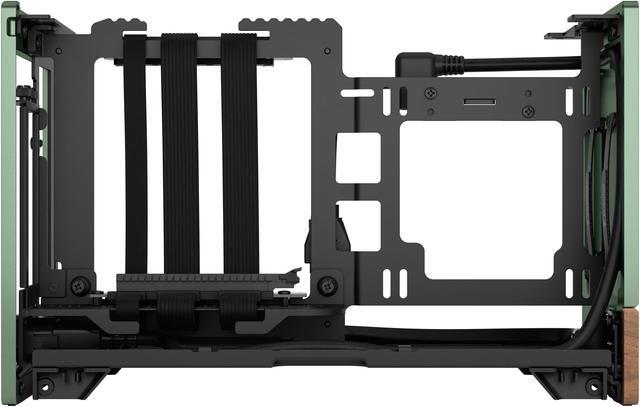
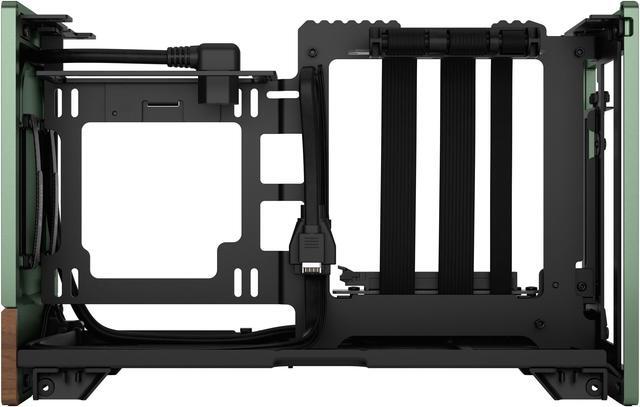
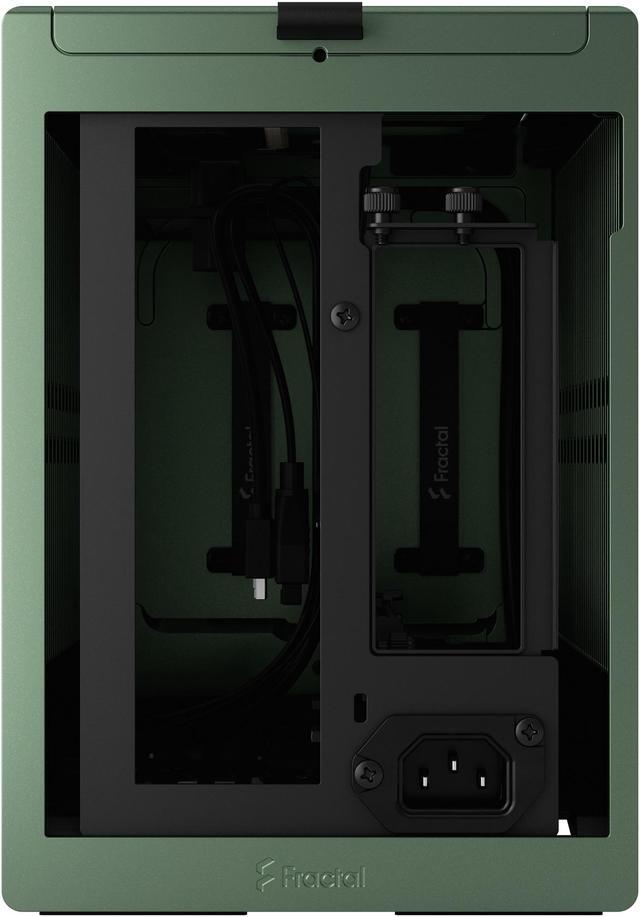
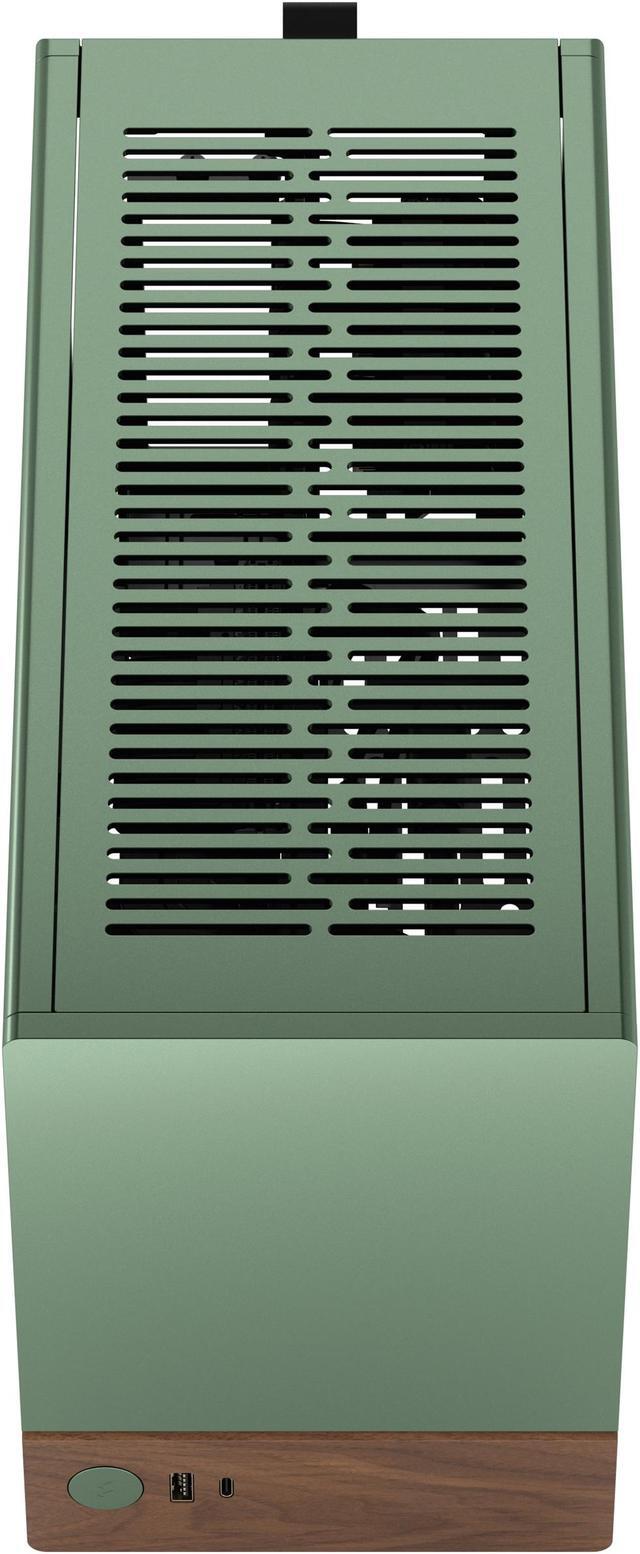
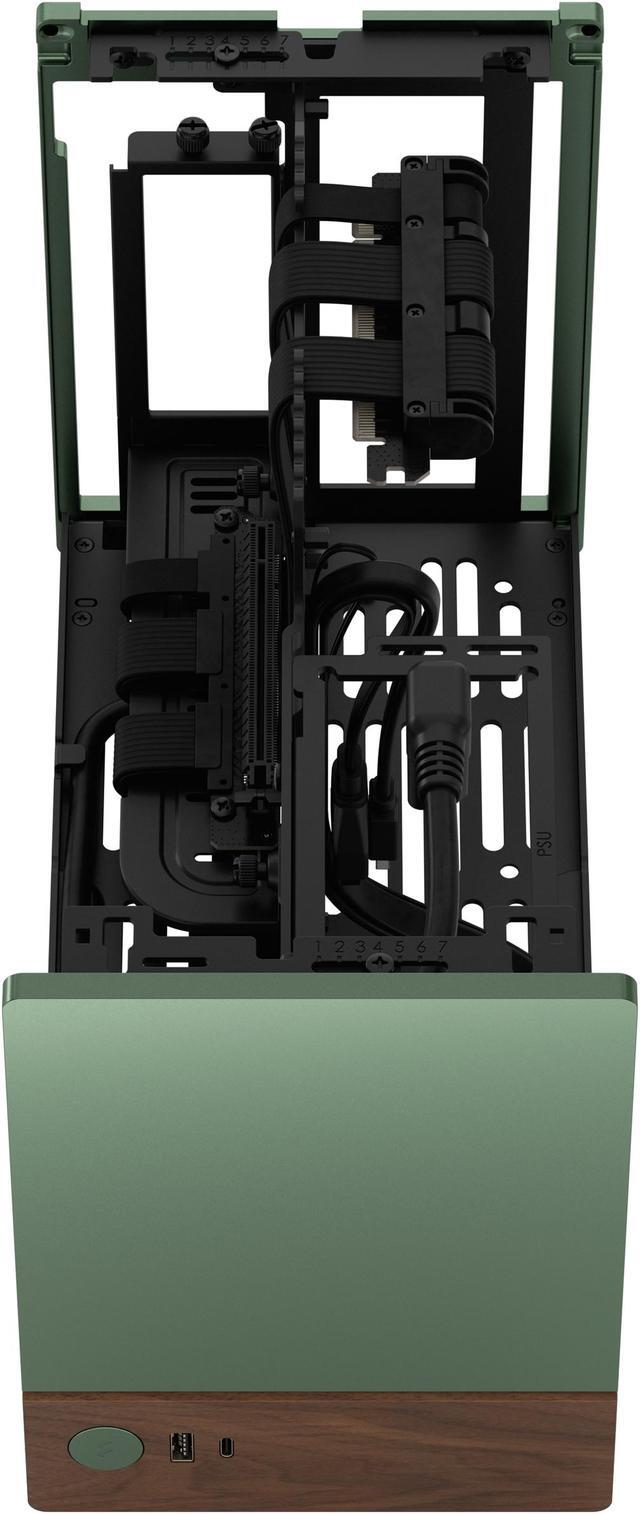
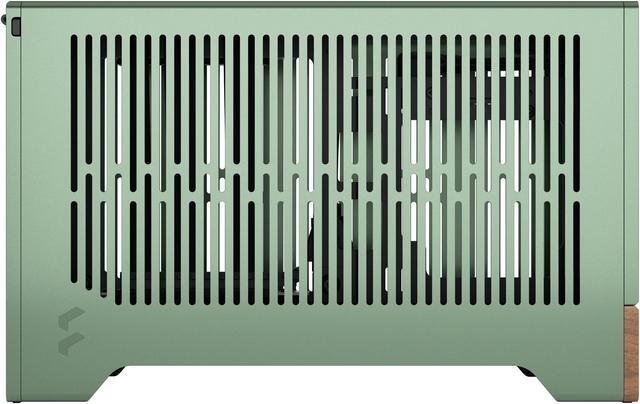
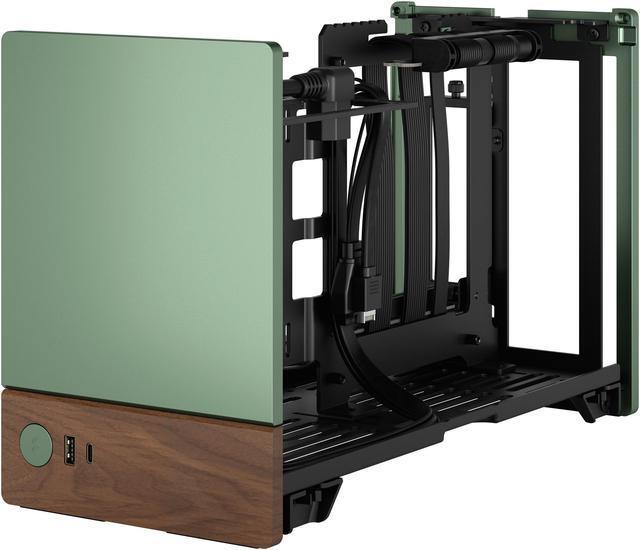
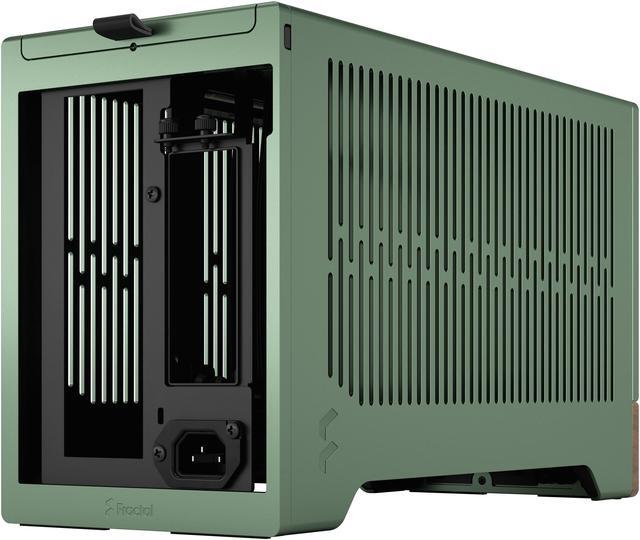
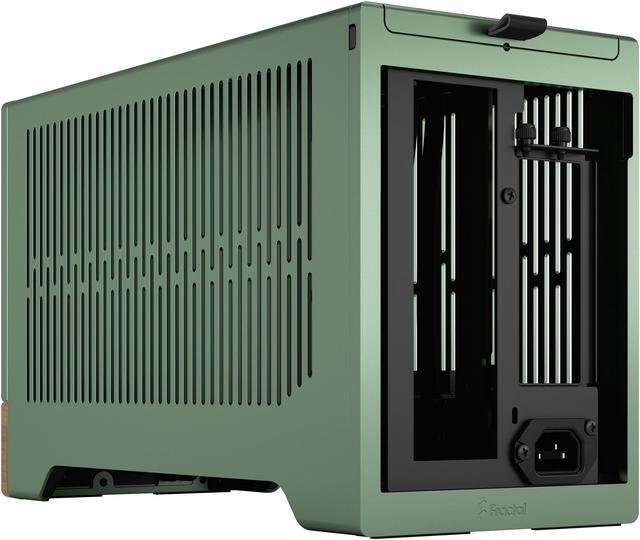
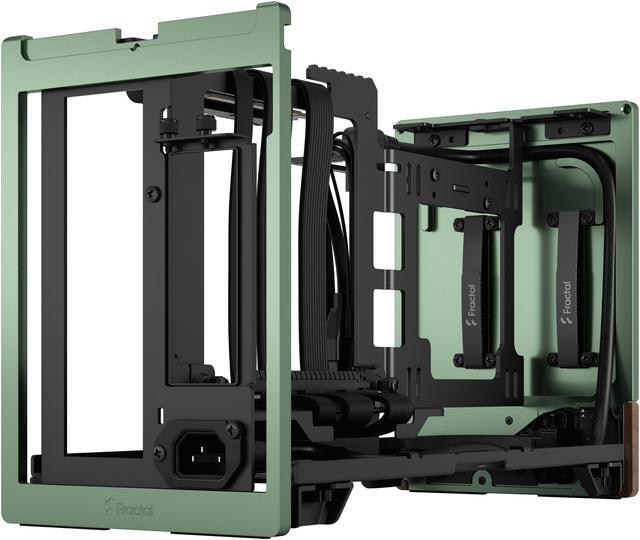
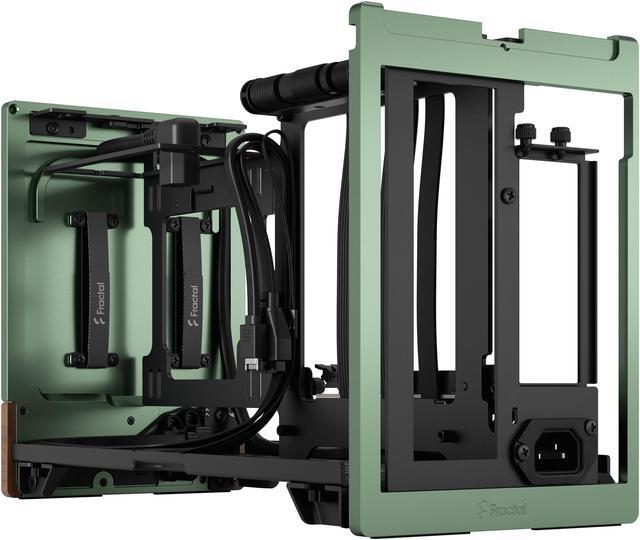
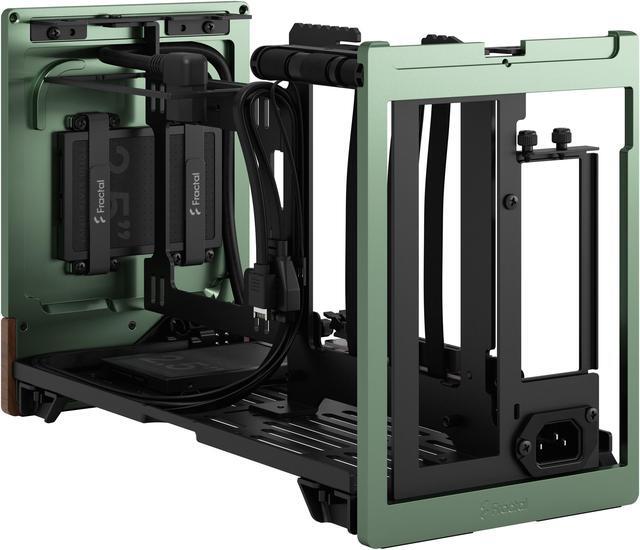
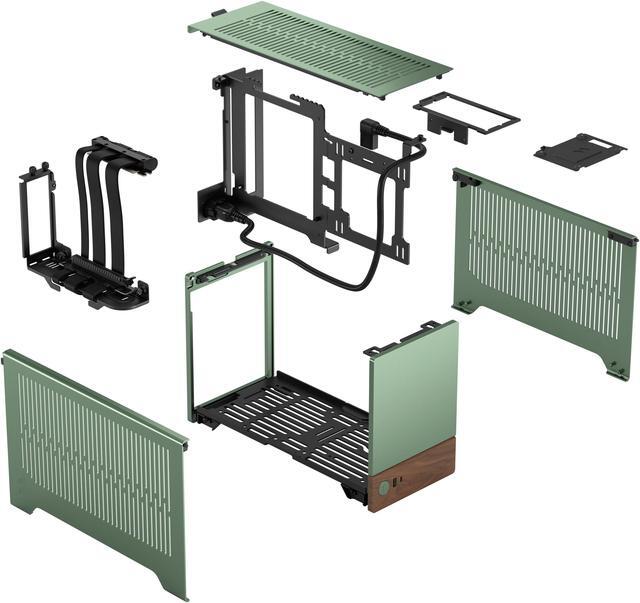


Fractal Design Terra Jade Mini-ITX Small Form Factor PC Case with PCIe 4.0 Riser


- Space-saving 10.4 L small form factor case
- Elegant design featuring FSC-certified solid walnut panel
- Anodized aluminum exterior including an 8 mm-thick front
- Movable interior wall for 30 mm of added build flexibility
- Compatible with GPUs up to 322 mm
- PCIe 4.0 riser cable included
- Dedicated space for two 2.5” SSD drives
- Removable hinged side panels for easy access
- Two front USB ports including one USB Type-C 20Gbps
- Lockable top and side panels for safer transport
- Compatible with SFF-Ready Enthusiast GeForce Graphics Cards
+
+
Overview
Specs
Reviews (101)
Warranty & Returns
Warranty, Returns, And Additional Information
Warranty
- Limited Warranty period (parts): 2 years
- Limited Warranty period (labor): 2 years
- Read full details
Return Policies
- Return for refund until: January 31, 2027
- Return for replacement until: January 31, 2027
- This item is covered by Newegg.ca's Extended Holiday Return Policy.
- Read full return policy for details.
We want to ensure your holiday shopping this year is hassle-free. That’s why we’re automatically extending our return policies on almost every product! For purchases placed between November 1st, 2026 and December 31, 2026 you will have until January 31, 2027 to return your product.
Manufacturer Contact Info
LOADING...
LOADING...
The Fractal Design Terra Jade is a 10.4L Mini-ITX small form factor PC case with an included PCIe 4.0 riser, built for compact high-performance gaming or creator systems that need support for GPUs up to 322 mm in a premium aluminum-and-walnut chassis.
Recommended For
- Mini-ITX builders who want a compact desk or living-room PC without giving up a full-length graphics card. The Terra is positioned around a 10.4 L footprint with support for long GPUs, and reviews consistently frame it as a small, premium enclosure for space-conscious gaming or media setups.
- Users building a stylish SFF PC for shared spaces where appearance matters as much as size, such as a home office, studio desk, or TV console. Official positioning and multiple reviews highlight the aluminum exterior and walnut front as a key reason people choose Terra over more utilitarian ITX cases.
- Experienced SFF hobbyists who enjoy tuning component fit, cooler choice, and internal layout. The adjustable central spine and tight clearances appeal to builders who are comfortable planning around GPU thickness, CPU cooler height, cable routing, and airflow tradeoffs.
- People who need an occasional travel or event PC and prefer a small enclosure that is easier to move than a mid-tower. Community builds regularly mention backpack or transport-friendly size, and Fractal includes lockable panels aimed at safer movement.
Real-World Use Scenarios
- A user building a compact living-room gaming PC can fit a full-length modern GPU in the Terra and get console-like placement on a TV stand, but should expect careful part selection and some thermal/noise tradeoffs compared with a larger tower.
- A user downsizing from an ATX desktop for desk gaming or a cleaner apartment setup can move to the Terra for a much smaller footprint and easier room-to-room transport, while keeping strong GPU-focused performance if they avoid overly hot CPU/cooler combinations.
- A user prioritizing appearance for an office, studio, or shared space can use the Terra as a desktop PC that blends in better than a typical gaming case, with frequent praise centered on its small size, aluminum finish, and wood front rather than RGB styling.
- A builder pairing the Terra with a mid-power CPU and a strong dual- or triple-slot GPU for 1440p or 4K gaming can get the intended use case the case is designed around, but real-world feedback consistently points to better results when the CPU is kept modest and airflow is planned carefully.
- A first-time SFF builder can complete a Terra build with mainstream Mini-ITX parts, but the real experience is closer to a fitment-focused project: cable routing, cooler clearance, GPU thickness, and spine adjustment matter more here than in standard mid-tower cases.
Spec Summary
| Attribute | Value |
|---|---|
| Best For | Compact Mini‑ITX small-form-factor builds that need a full‑length GPU (up to 322 mm), an SFX/SFX‑L PSU, and easy access/transport (lockable, removable panels); suited to air-cooled systems and builds that may use a single 120 mm side radiator |
| Model Identifiers | Fractal Design Terra — model FD‑C‑TER1N‑03 (manufacturer Fractal Design) |
| Chassis And Materials | Anodized aluminum exterior with steel chassis and an FSC‑certified solid walnut front panel; ventilated top/side/bottom, removable hinged side panels and sliding top, lockable top and side panels, and a dust filter |
| Dimensions And Weight | 10.4 L small form factor; 13.50 x 6.02 x 8.58 inches; 6.83 lbs |
| Motherboard And Drive Bays | Supports Mini‑ITX motherboards; two dedicated 2.5" SSD mounts included |
| GPU And Expansion | Supports GPUs up to 322 mm long; expansion slots vary by configuration (up to 3 slots in Max GPU config, 2 in Max CPU config); GPU height and thickness limits change with board position (examples: 131–145 mm height range; 62–72 mm thickness in Max GPU config) — motherboard spine is adjustable to trade GPU width for CPU cooler height |
| Cooling And Fans | One 120 mm fan mount (bottom); no fans preinstalled; side radiator support for a single 120 mm radiator (side max width 121 mm with restrictions when GPU >200 mm or no 2.5" drives); cooling by air |
| Front I/O And Access | Front I/O includes 1 x USB 3.2 Gen 2x2 Type‑C (20 Gbps) and 1 x USB 3.0 Type‑A plus an aluminum power button; panels swing/slide for easy access and lock for safer transport |
| Power Supply And Mounting | No power supply included; accepts SFX or SFX‑L PSUs with a maximum length of 130 mm; PSU is mounted at the rear (internal specification takes precedence) |
| Compatibility And Build Notes | Includes a PCIe 4.0 riser cable; adjustable central wall provides 30 mm of internal flexibility for balancing GPU width vs CPU cooler height (example CPU cooler clearances: 77 mm in Max CPU config, 48 mm in Max GPU config); dedicated 2.5" mounts and long GPUs can affect radiator clearance—see manual for exact combinations |
| Package Contents | Case, accessory box, and manual (single unit per package) |
Reference Q&A
Q: Should I buy the Fractal Design Terra or the Cooler Master NR200 for a Mini-ITX gaming build?
A: Choose the Fractal Design Terra if your priority is a smaller, more furniture-friendly Mini-ITX case with premium materials and a compact 10.4 L footprint. Choose the Cooler Master NR200 if your priority is easier building, broader cooler compatibility, and more thermal headroom for higher-power parts. Reviews and community feedback consistently position the Terra as a design-first compact case with tighter CPU cooler and GPU fit planning, while the NR200 is the more flexible performance-focused option.
Q: Is the Fractal Design Terra a better choice than the Fractal Ridge?
A: Choose the Terra if you want a traditional desktop-style small form factor build with adjustable internal layout and support for large air-cooled GPUs in a compact enclosure. Choose the Ridge if you want a slimmer, console-style case that is easier to place in a living-room or vertical setup. Official positioning and reviews show the Terra is aimed at compact enthusiast desk builds, while the Ridge is aimed at slim entertainment-center-style builds with a different layout priority.
Q: Should I choose the Fractal Design Terra or the FormD T1?
A: Choose the Terra if you want a more straightforward retail product with included PCIe 4.0 riser, premium exterior styling, and a slightly more approachable ownership experience. Choose the FormD T1 if your goal is maximum density and more aggressive enthusiast tuning around cooling layout and component selection. Reviews and community comparisons commonly frame the Terra as the easier style-focused sandwich-layout case, while the T1 is favored by builders who want to optimize every millimeter for performance and cooling strategy.
Q: Is the Fractal Design Terra good for portability, or should I use a larger case for better performance?
A: Choose the Terra if you want a compact system that is easier to move, fits smaller spaces, and still supports a long GPU with careful part selection. Choose a larger Mini-ITX case if you want more cooling margin, more forgiving cable management, and fewer compromises around CPU cooler height or GPU thickness. The Terra includes lockable panels and a very compact footprint, but external reviews and user discussions repeatedly note that its performance depends more on matching the CPU cooler, GPU thickness, and spine position carefully than in larger SFF cases.
Q: Should I use the Fractal Design Terra for a high-end GPU build or pick a roomier SFF case?
A: Use the Terra for a high-end GPU build if you are willing to plan around the GPU's exact thickness, height, and power cable clearance, and if you are comfortable pairing it with a low-profile CPU cooling solution. Pick a roomier SFF case if you want more freedom to run thicker GPUs, taller CPU coolers, or higher sustained CPU power without as much tuning. Official specifications and repeated reviewer and community guidance show that the Terra can fit long modern GPUs, but its adjustable spine creates a direct trade-off between GPU space and CPU cooler height.
Q: Is the Fractal Design Terra a good choice for a first small-form-factor PC build?
A: It is better suited to experienced or careful builders than to first-time builders. The Terra is very compact at 10.4 L, uses a movable internal spine, and has tight compatibility limits for GPU size, CPU cooler height, PSU size, and even radiator support. It can produce an excellent compact build, but the trade-off is that part selection is less forgiving than in larger Mini-ITX cases.
Q: Will a large modern GPU fit in the Terra?
A: Often yes, but you must check exact dimensions. The Terra supports GPUs up to 322 mm long, but height and thickness limits vary depending on how the internal spine is positioned. In practice, long triple-slot cards may fit only if their height and thickness stay within the case's specific limits, and choosing a larger GPU usually reduces available CPU cooler clearance.
Q: What is the main trade-off between GPU space and CPU cooler space in the Terra?
A: The key trade-off is internal balance. The Terra's sliding central spine lets you allocate more room to either the GPU side or the CPU cooler side, but not both at once. If you prioritize a thicker graphics card, CPU cooler clearance drops; if you prioritize a taller air cooler, GPU thickness support becomes more limited.
Q: Is the Terra better for air cooling or liquid cooling?
A: It is mainly an air-cooling-first case. The case has no preinstalled fans, only one 120 mm fan mount, and limited radiator support. A 120 mm side radiator is possible only under tighter conditions, including shorter GPU length and no 2.5-inch drives in that area. For most buyers, the safer plan is a compact air-cooled Mini-ITX build with carefully matched parts.
Q: Who is the Terra best for compared with a more conventional Mini-ITX case?
A: The Terra is best for buyers who want a very small premium desktop case and are willing to optimize parts around strict size limits. Compared with a more conventional Mini-ITX case, it offers a smaller footprint and stronger design appeal, but gives up easier cooling, simpler cable management, and broader component compatibility. It is a better fit for compact gaming or creator builds than for users who want maximum upgrade flexibility.
Q: Is the Fractal Design Terra a good case for a first Mini-ITX build?
A: It can be a good first Mini-ITX case if you are willing to plan parts carefully. Reddit and YouTube discussions repeatedly focus on fitment planning, especially the trade-off between GPU thickness and CPU cooler height around the movable center spine. The case is easier to access than many SFF cases because the side panels open and the riser is included, but it is not a good choice if you want a forgiving, mix-and-match build process.
Q: Who is the Fractal Terra best suited for?
A: The Terra is best suited for buyers who want a very small 10.4 L desktop case with premium materials and are comfortable building around strict component limits. It fits Mini-ITX boards, SFX or SFX-L power supplies, and supports long GPUs, but the practical fit depends on the GPU and cooler combination. It is a better fit for compact gaming or clean desk builds than for users who want maximum cooling headroom, many drives, or broad upgrade flexibility.
Q: What are the main trade-offs of buying the Fractal Terra instead of a larger case?
A: The main trade-offs are cooler compatibility, GPU-and-cooler balancing, and noise tuning. The Terra supports GPUs up to 322 mm long, but GPU height and thickness directly reduce CPU cooler clearance because of the adjustable internal layout. Community discussion also repeatedly mentions that very tight side-panel clearance can increase turbulence noise, so the case rewards careful part selection more than raw hardware density.
Q: Is the Fractal Terra a good choice for high-performance gaming parts?
A: Yes, but only if the exact GPU and CPU cooler combination is chosen carefully. The case can take a long graphics card and includes a PCIe 4.0 riser, which makes it viable for powerful gaming builds. However, repeated Reddit discussions show that thicker or taller GPUs can force the use of smaller low-profile CPU coolers, so it is better for balanced high-performance builds than for unrestricted flagship parts.
Q: Is the Fractal Terra worth buying if I care more about quiet operation than maximum compactness?
A: Usually only if you are willing to optimize the build around acoustics. Community discussion often points to noise from very tight fan-to-panel spacing, especially near the CPU cooler or GPU side panel. If quiet operation is the top priority, a slightly larger case is usually the safer choice; if compact size and design matter more, the Terra can work well with carefully matched parts and spacing.