


- Free 90-day Returns
- $12.99 Shipping
$209.99
Sold by Newegg
Shipped by Newegg
Add to Wish List(Found on 59 wish lists)


Get Educated
Make informed decisions with expert advice. Learn More


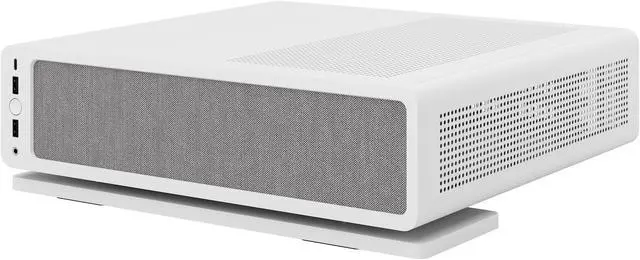
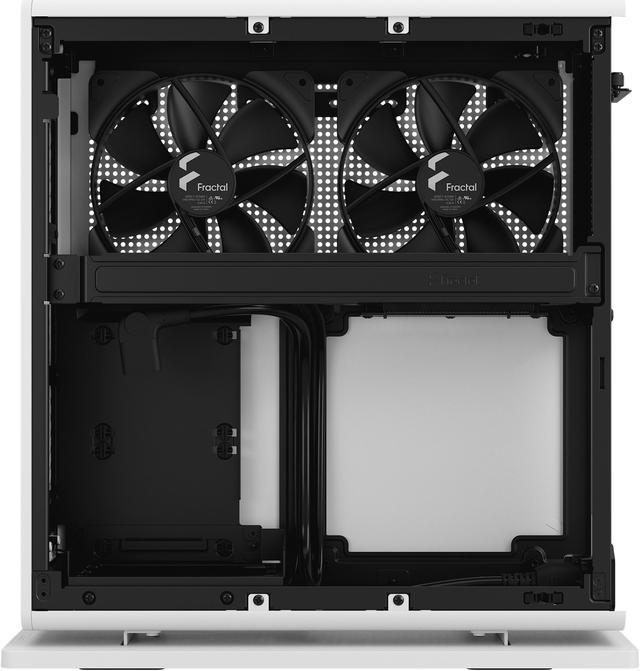
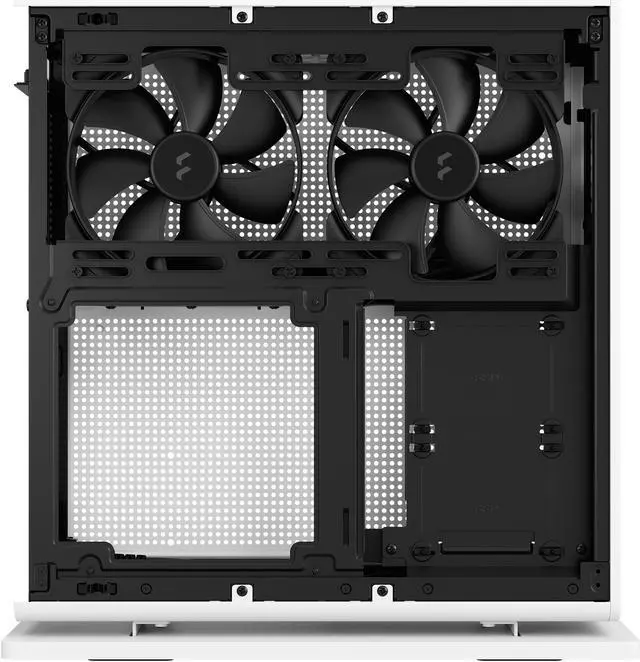
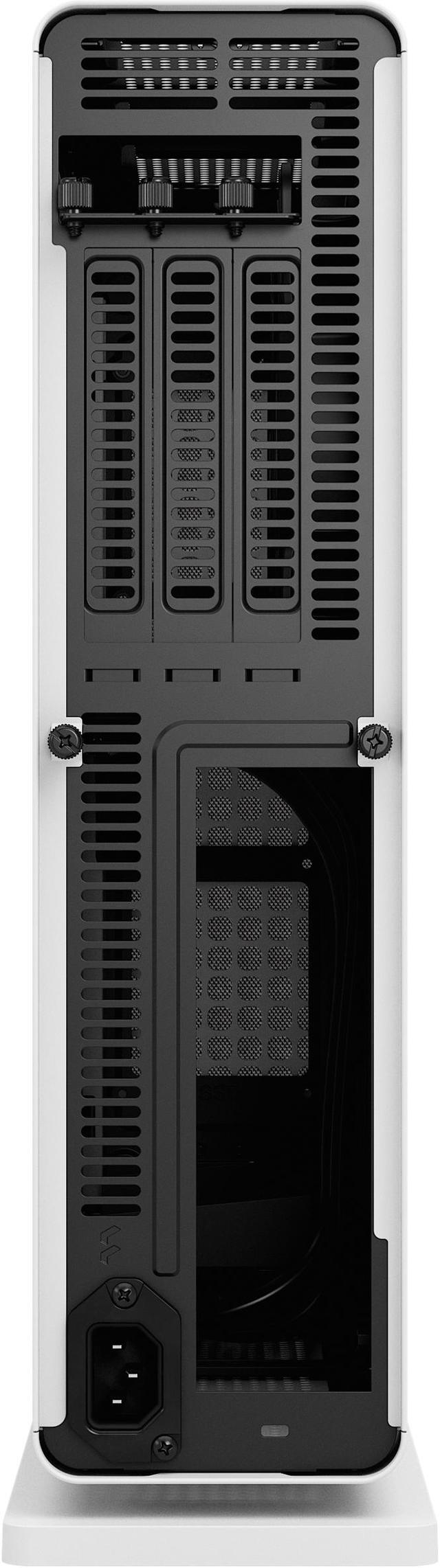
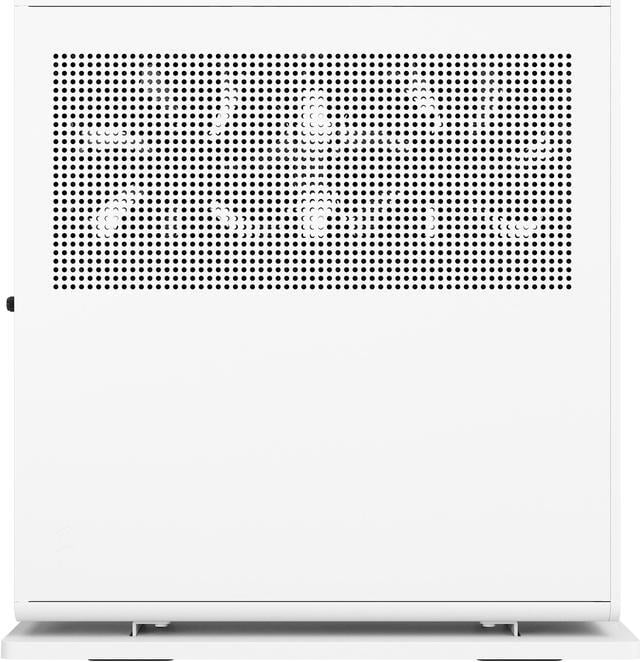
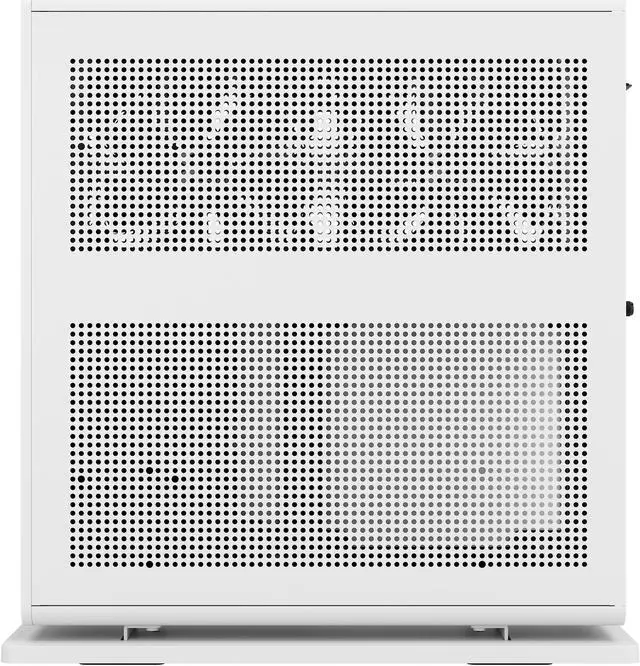
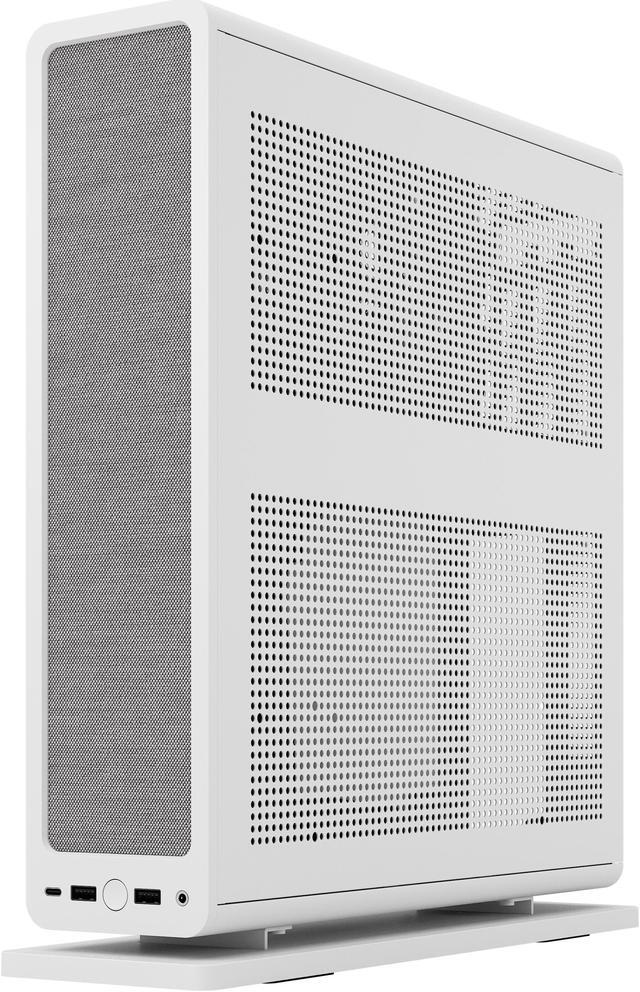
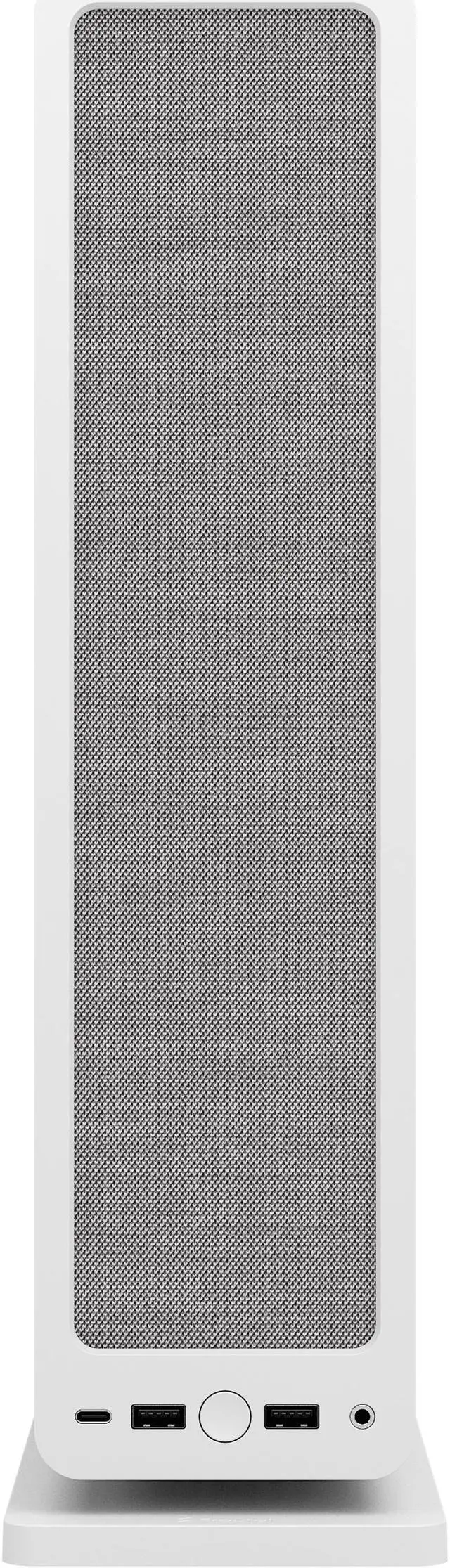
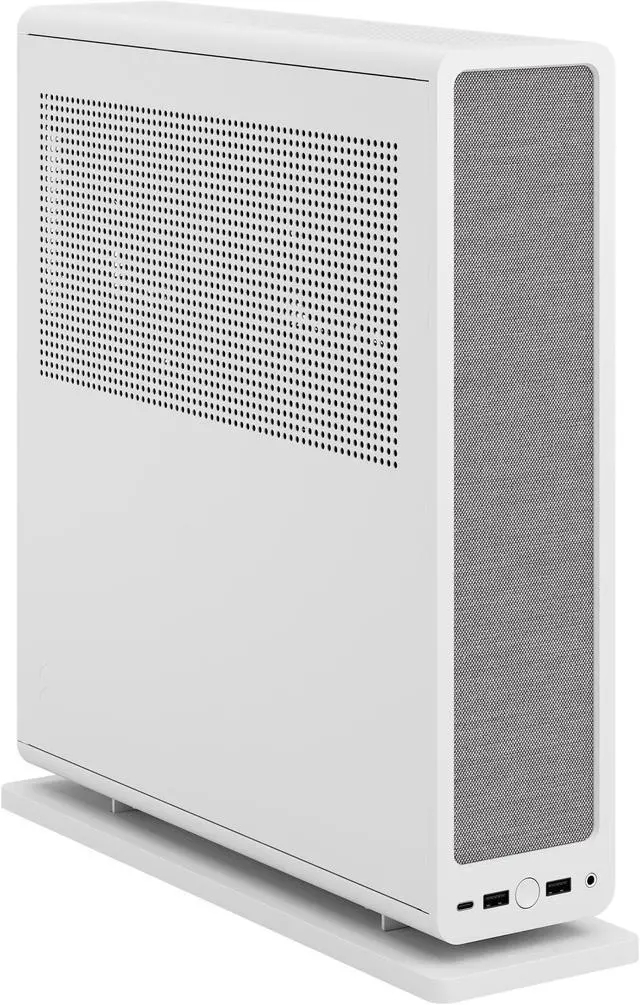
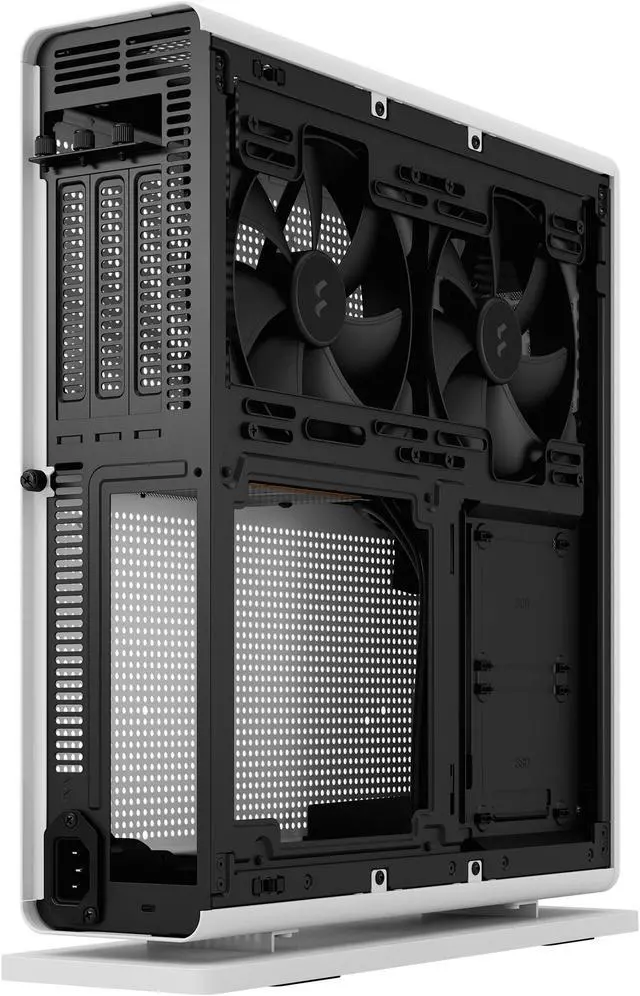
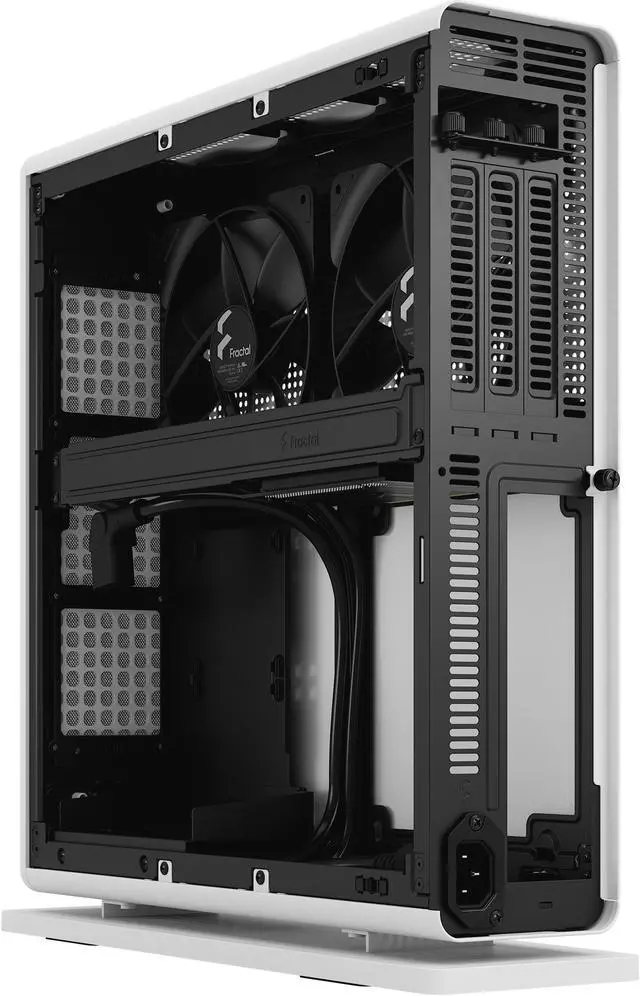
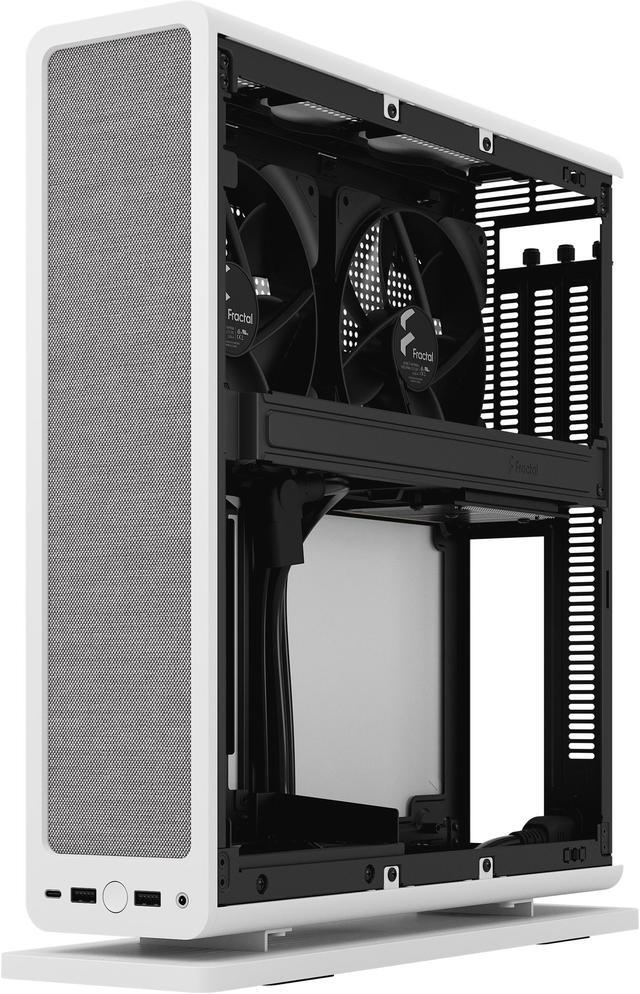
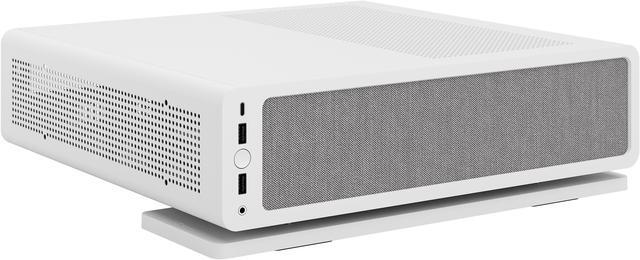
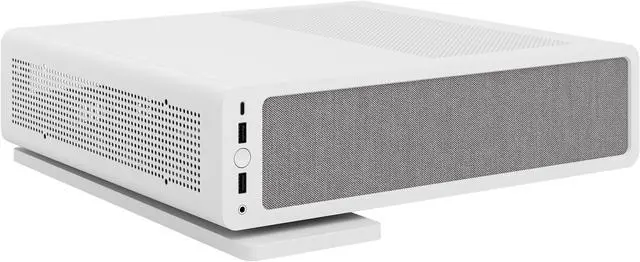
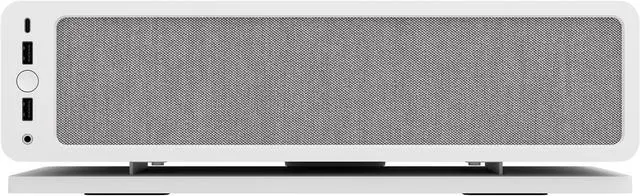
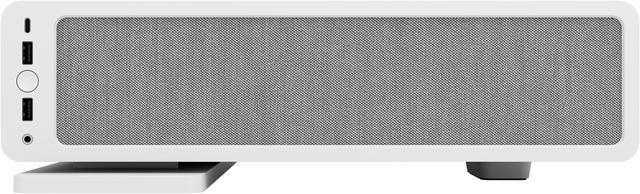
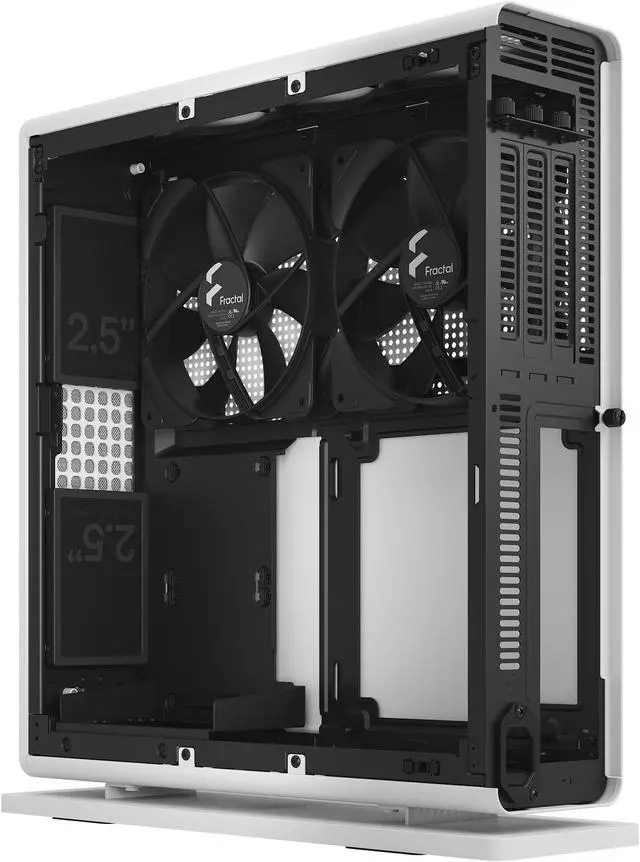
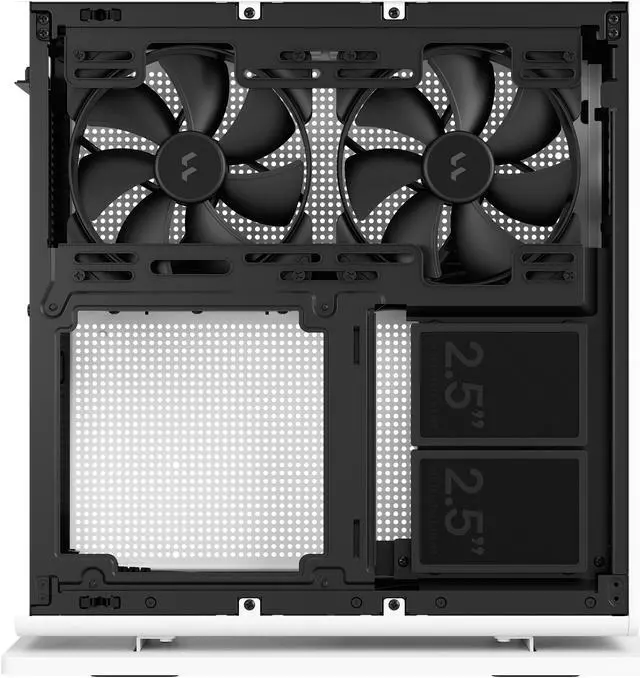
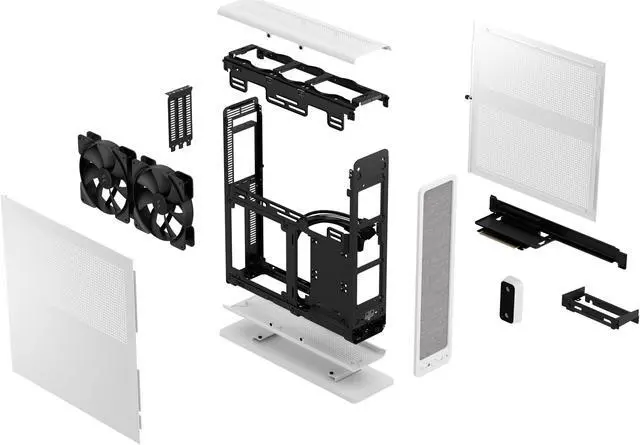


Fractal Design Ridge White Mini-ITX Slim Small Form Factor Console PC Case with PCIe 4.0 Riser
- Compact SFF console-type case
- SFX/SFX-L support
- 6 mm anodized and CNCd aluminum front
- PCIe 4.0 riser card and 2x 140 mm PWM Aspect fans included
- Horizontal and vertical orientation (multiple foot configurations)
- Excellent GPU cooling
- Front I/O with 2x USB 3.0, 1x USB-C and Combo jack
- 2x 140 mm side and 3x 80 mm top fan support
- 4x SSD support, 2x screw mount and 2x clip-in fast mounts
- Discreet power LED bar in front
- Compatible with SFF-Ready Enthusiast GeForce Graphics Cards
+
+
Overview
Specs
Reviews (35)
Warranty & Returns
Warranty, Returns, And Additional Information
Warranty
- Limited Warranty period (parts): 2 years
- Limited Warranty period (labor): 2 years
- Read full details
Return Policies
- Return for refund until: January 31, 2027
- Return for replacement until: January 31, 2027
- This item is covered by Newegg.ca's Extended Holiday Return Policy.
- Read full return policy for details.
We want to ensure your holiday shopping this year is hassle-free. That’s why we’re automatically extending our return policies on almost every product! For purchases placed between November 1st, 2026 and December 31, 2026 you will have until January 31, 2027 to return your product.
Manufacturer Contact Info
LOADING...
LOADING...
The Fractal Design Ridge White is a slim Mini-ITX small-form-factor PC case built for console-style gaming or living-room setups, ideal for users who want full-size GPU support, PCIe 4.0 riser flexibility, and clean horizontal or vertical placement in a compact footprint.
Recommended For
- Living-room PC builders who want a console-shaped case that blends into media furniture, but still supports a real desktop GPU for couch gaming or HTPC use.
- Small-form-factor enthusiasts who specifically want a slim Mini-ITX build with vertical or horizontal placement, and are willing to plan around low-profile CPU cooling and tight part clearances.
- Gamers prioritizing GPU fit in a compact footprint, especially those pairing the case with a mainstream or high-end graphics card while keeping CPU power moderate and tuned for SFF thermals.
- Builders who care about clean aesthetics in shared spaces and prefer a case without RGB-heavy styling or a glass side panel, especially for desk setups that should look more like home electronics than a tower PC.
Real-World Use Scenarios
- Living-room gaming PC that sits beside a TV like a console: users build in the Ridge when they want a desktop that blends into a media setup, and the typical result is a cleaner entertainment-center look with enough room for modern ITX gaming hardware.
- Slim console-style PC for gamers who want full-size graphics in a smaller footprint: in real builds, the Ridge is commonly used to pair mini-ITX parts with long desktop GPUs, giving users a compact gaming system without moving to laptop-class performance.
- Small-form-factor build for people with limited desk or apartment space: users choose the Ridge when a standard tower is too bulky, and the likely experience is better space efficiency with more planning required for component selection, cable routing, and cooler clearance.
- Horizontal or vertical showcase build for users who care about placement flexibility: the Ridge is often used where orientation matters, and owners typically use that flexibility to fit the case into a shelf, beside a monitor, or inside a media cabinet more easily than a cube-style SFF case.
- Tuned enthusiast build for users willing to optimize airflow and noise: community reports show the Ridge can work well for gaming, but owners often adjust fan layouts, power limits, or part choices to get the balance they want between temperatures, acoustics, and GPU fit.
Spec Summary
| Attribute | Value |
|---|---|
| Best For | Mini-ITX / Mini-DTX small-form-factor console-style PC builds that need SFX/SFX-L power support, horizontal or vertical placement, and accommodation for full-length GPUs up to 335 mm |
| Physical Dimensions & Weight | 14.72 x 4.33 x 15.57 in (374 x 110 x 395 mm); weight 9.48 lbs |
| Chassis & Materials | Steel chassis with 6 mm anodized, CNC'd aluminum front panel; ventilated side, top and bottom panels; built-in security lock slot and dust filter |
| Motherboard, Drive Bays & Expansion | Supports Mini-ITX / Mini-DTX motherboards; 3 expansion slots; supports 4x internal 2.5" SSDs (2 screw mounts + 2 clip-in fast mounts) |
| Cooling & Fans | Air cooling with mounts for 2x 120/140 mm (side) and 3x 80 mm (top); includes 2x pre-installed 140 mm PWM Aspect side fans; max CPU cooler height 70 mm; dust filter included |
| GPU & Radiator Support | Supports GPUs up to 335 mm (325 mm with SSD installed); max GPU height 137 mm (125 mm with top fan(s) installed); GPU thickness 82 mm (57 mm with side fan overlap); radiator support: with GPU ≤175 mm use 120 mm; without GPU supports up to 240/280 mm (max 328 mm length, 144 mm width) |
| Power Supply & Mounting | No PSU included; supports SFX and SFX-L power supplies in a bottom-mounted position; maximum PSU length 130 mm |
| Front I/O & Internal Connectivity | Front I/O includes 1x USB 3.2 Gen 2x2 Type-C, 2x USB 3.0 ports and a combined mic/headphone jack; PCIe expansion via included PCIe 4.0 riser card |
| Orientation & Accessibility | Console-type case design with removable panels and support for horizontal or vertical orientations using multiple foot configurations |
| Included Items & Package Content | Includes PCIe 4.0 riser card, 2x 140 mm PWM Aspect fans (side), case, accessory box and manual; sold as single unit/package |
| Model Identifiers | Fractal Design Ridge, model FD-C-RID1-12 (Ridge White) |
Reference Q&A
Q: Fractal Design Ridge vs Fractal Terra: which one should I buy for a gaming-focused Mini-ITX build?
A: Choose the Fractal Design Ridge if you want a slimmer console-style layout, included PCIe 4.0 riser, included 140 mm fans, and more emphasis on GPU airflow in a living-room or desk setup. Choose the Fractal Terra if you prefer a more compact shoebox-style case and are comfortable planning around tighter cooling trade-offs. Across official specs, professional coverage, and community comparisons, the usual pattern is that Ridge is the easier choice for users prioritizing cooler and quieter GPU-oriented gaming builds, while Terra appeals more to users prioritizing smaller overall footprint and design-first compactness.
Q: Is the Fractal Ridge a better buy than the Fractal Node 202?
A: The Fractal Ridge is the better choice if you want a modern console-style SFF case built around current large GPUs and newer front I/O. Compared with the older Node 202, Ridge adds a PCIe 4.0 riser, larger included side fans, broader GPU accommodation, USB-C on the front panel, and more SSD mounting flexibility. The Node 202 still makes sense if your priority is a simpler, older slim-layout concept or you are building around lower-power hardware, but Ridge is the more current option for mainstream modern gaming components.
Q: Should I get the Fractal Ridge or move up to a larger airflow-focused case for better performance?
A: Choose the Fractal Ridge if you want a slim Mini-ITX system that fits into entertainment-center or small-desk spaces without giving up full-length GPU support. Move to a larger airflow-focused case if your priority is maximum CPU cooling headroom, taller air coolers, easier cable routing, or fewer compatibility checks. Ridge is a strong fit when compact size and console-style placement matter more than absolute thermal flexibility; a larger case is the better fit when build simplicity and unrestricted cooling are the main goals.
Q: Is the Fractal Ridge better for travel and portable setups than the Fractal Terra?
A: The Fractal Ridge is usually the better choice if you want a travel-friendly PC that packs more like a flat console in a large backpack or tight storage space. Community comparisons repeatedly describe the Ridge as easier to place in a backpack because of its flatter shape, while the Terra is portable in a different way and may suit users who prefer a denser, more cube-like form. If your idea of portability is slim-profile transport, Ridge is the more natural fit.
Q: Should I choose the Fractal Ridge for a performance-first GPU build or for a low-power living-room PC?
A: The Fractal Ridge fits both use cases, but it is the stronger buy when you specifically want a slim living-room case that can still support a serious gaming GPU. For a low-power media PC, Ridge may be more capability than you need. For a performance-first Mini-ITX gaming build, Ridge makes more sense because its layout, included riser, included side fans, and support for long triple-slot GPUs are designed around modern discrete graphics while keeping a console-style form factor.
Q: Is the Fractal Design Ridge a good choice if I want a slim living-room or desk setup instead of a standard tower?
A: Yes, if your main goal is a compact, console-style PC. The Ridge is much slimmer than a typical tower and supports both horizontal and vertical placement, so it fits well in media-center or space-constrained setups. The trade-off is that component selection is less forgiving than in a mid-tower, especially for CPU cooler height, power supply size, and GPU thickness.
Q: Will my graphics card fit in the Fractal Ridge?
A: Only if you check all three GPU limits carefully: length, height, and thickness. This case supports long cards on paper, but thickness is the most common constraint in real builds. With the included side fans installed, GPU thickness is limited to about 57 mm; without that overlap, thickness support increases, but you give up part of the stock airflow setup. This makes the Ridge workable for many modern GPUs, but not ideal for unusually thick models.
Q: Is the Ridge good for a quiet, high-performance gaming build?
A: It can be, but only with careful part matching. The Ridge includes two 140 mm fans and has strong ventilation for its size, which helps GPU cooling. However, it still uses a slim small-form-factor layout with a 70 mm CPU cooler height limit, so thermals and noise depend heavily on choosing efficient parts and avoiding oversized components. It is better suited to optimized gaming builds than to maximum-power, no-compromise hardware.
Q: Who is the Fractal Ridge best suited for?
A: The Ridge is best for buyers who specifically want a compact Mini-ITX gaming or general-purpose PC that looks clean in a living room, office, or small desk area. It is a strong fit for experienced builders or buyers willing to plan around size limits. It is a weaker fit for first-time builders who want easy cable management, broad cooler compatibility, or room to upgrade without rechecking every dimension.
Q: Is the Ridge a better buy than a typical mid-tower case?
A: Choose the Ridge if space-saving and console-style design matter more than build flexibility. Choose a mid-tower if you want easier assembly, wider compatibility, larger air coolers or radiators, and fewer clearance compromises. The Ridge is not a general replacement for a mid-tower; it is a specialized case for buyers who prioritize footprint and appearance over convenience.
Q: Who is the Fractal Design Ridge best for?
A: The Fractal Design Ridge is best for buyers who want a very slim, console-style PC case for a living room, desk shelf, or other tight space, and who are comfortable planning parts around small-form-factor limits. It is a better fit for clean gaming or HTPC-style builds than for users who want the easiest first-time build experience or the most forgiving airflow.
Q: Is the Fractal Design Ridge worth buying if I want a console-like gaming PC?
A: Yes, if your top priority is a slim console-like footprint with support for modern Mini-ITX parts and large GPUs within the stated clearance limits. The main trade-off is that you give up build simplicity and thermal headroom compared with larger cases, so it makes the most sense when size and layout matter more than maximum cooling ease.
Q: What are the main trade-offs of the Fractal Design Ridge?
A: The main trade-offs are tighter CPU cooling limits, more dependence on careful fan setup, and stricter compatibility planning for GPU thickness, cooler height, and PSU size. GPU support is strong for a slim case, but CPU thermals are the more common constraint in real-world owner discussions.
Q: Is the Fractal Design Ridge a good choice for a quiet build?
A: It can be, but it is not the easiest case for low noise out of the box. Repeated owner discussion points to CPU-side heat management and stock fan noise as the main issues, so quieter results usually depend on conservative parts, tuned fan curves, and sometimes fan or duct changes.
Q: Does the Fractal Design Ridge work well for high-end GPUs?
A: Yes, within its published clearance limits, the Ridge is generally favorable for large GPUs compared with its CPU cooling allowance. Buyers still need to check exact card length, height, and thickness, especially if they plan to keep the included side fans or install SSDs that reduce effective GPU clearance.