







What is Carbon Monoxide?
Carbon Monoxide (CO) is colorless, odorless and tasteless poison gas that can be fatal when inhaled.

Potential Sources of CO
There are several different sources that carbon monoxide can come from within the home.
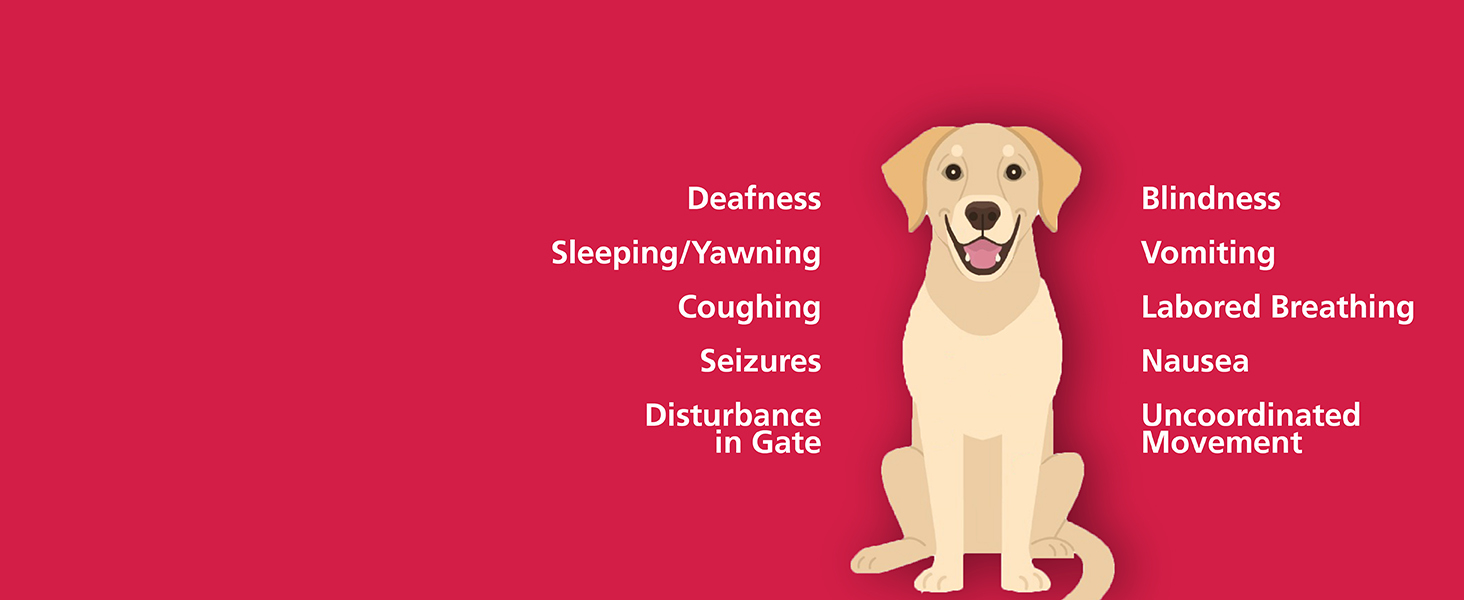
Signs of CO in Pets
53% of pet owners cannot identify the symptoms of CO poisoning because they are often nonspecific.


Detects Smoke & CO
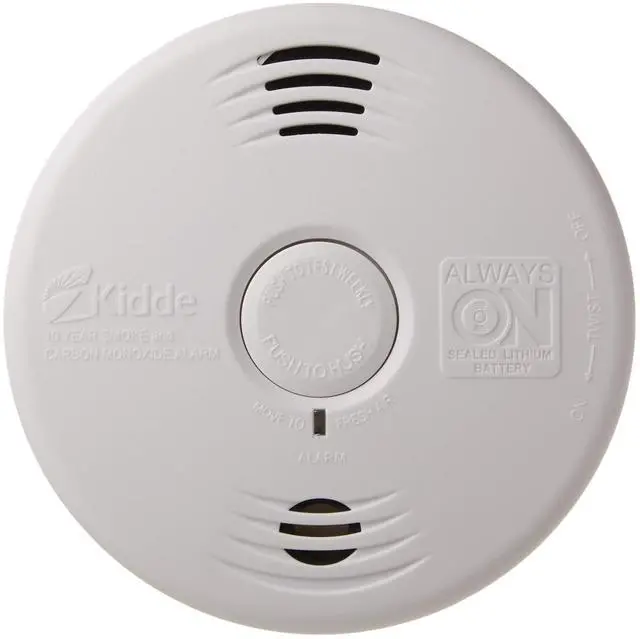
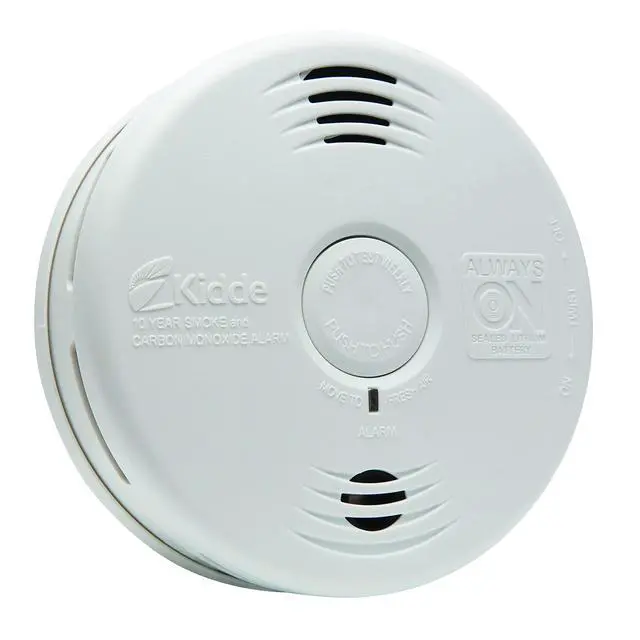
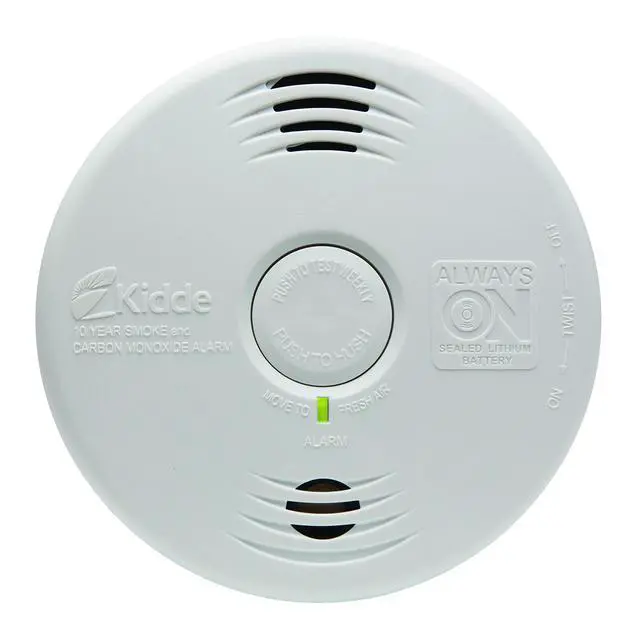
2-in-1 device alerts to both carbon monoxide & smoke using a single alarm.

Voice Notifications
Announces "Warning Carbon Monoxide" when CO is present or "Fire!" when smoke is present to help you seek safety.

Self-Activation
Alarm automatically activates when attached to the mounting bracket.

Photoelectric Sensor Technology
Helps detect visible fire particles associated with slow smoldering fires.

Test & Hush Button
Quickly & easily silence false or "nuisance" alarms like routine cooking or shower steam by pushing the button to test & hush the alarm. Weekly testing of alarms is recommended.

No Battery Replacement
10-year long-life sealed-in battery lasts for the life of the alarm and helps keep you protected, even during power outages.
What is Carbon Monoxide?
Carbon Monoxide (CO) is colorless, odorless and tasteless poison gas that can be fatal when inhaled.
Potential Sources of CO
There are several different sources that carbon monoxide can come from within the home.
Signs of CO in Pets
53% of pet owners cannot identify the symptoms of CO poisoning because they are often nonspecific.


