






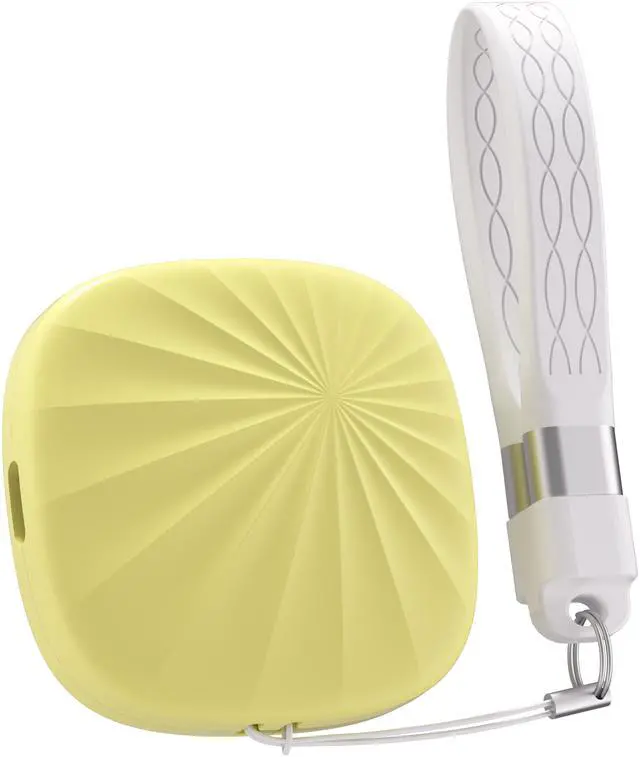


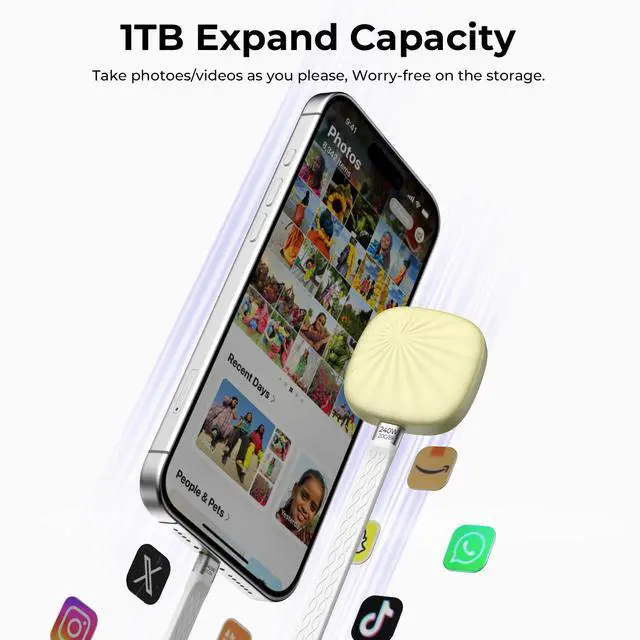
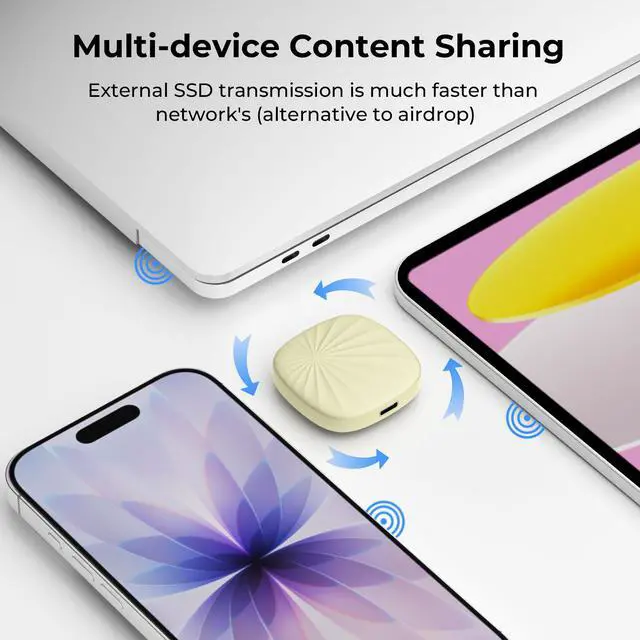
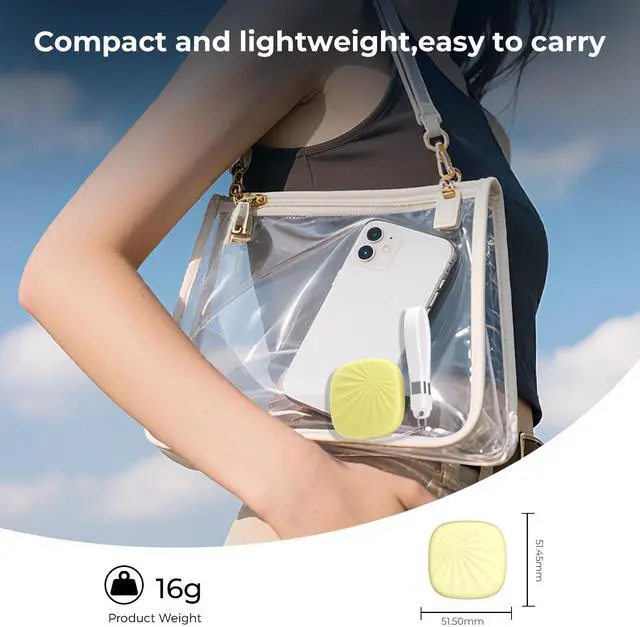
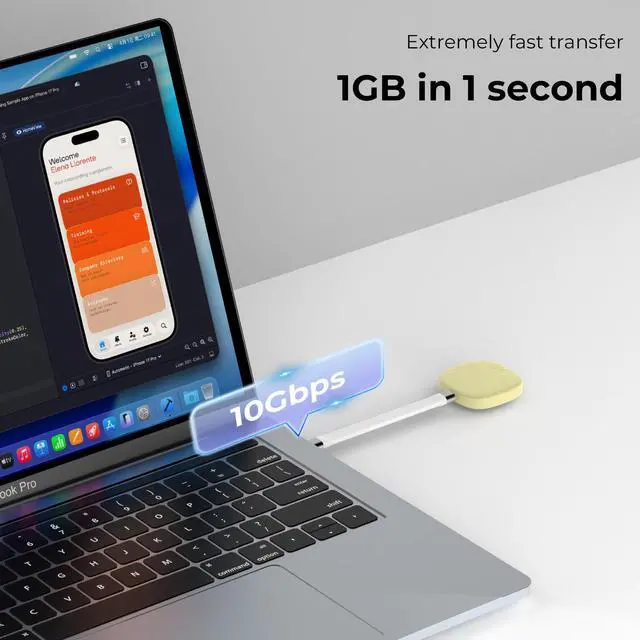


The Nusyn NSP30 1TB is a compact portable SSD with USB 3.2 Gen 2 and USB-C, built for fast everyday file transfers, backups, and 4K media handling for students, creators, commuters, and anyone who wants pocket-size external storage across laptops, phones, and tablets.
Q: Is the Nusyn NSP30 1TB enough for portability-first use, or should I choose a more rugged portable SSD?
A: Choose the Nusyn NSP30 if your main goal is easy everyday portability: it is small, light, and designed for plug-and-play use across PCs, phones, and tablets. Choose a more rugged model such as a Samsung T7 Shield or SanDisk Extreme Portable SSD if your storage will be used for travel shooting, outdoor work, or heavier handling. Those products are commonly positioned around durability and sustained field use, while the NSP30's product positioning is centered more on compact size and convenience.
Q: Is this a good portable SSD for travel, daily work, and backups?
A: Yes, if you want a small, bus-powered SSD for carrying files between devices. The Nusyn NSP30 matches a common portable SSD class: USB 3.2 Gen 2, up to 1050 MB/s read, pocket-size dimensions, and broad OS support. That makes it suitable for document work, photo libraries, video transfers, and routine backups while traveling. The main trade-off is that the provided product data emphasizes portability and speed, but does not mention rugged features such as water resistance, drop protection, or bundled security software.
Q: Will it work with iPhone, Android, Mac, and Windows without extra setup?
A: Usually yes, for modern USB-C devices. The Nusyn listing states plug-and-play support for Windows, macOS, Linux, Android, and iOS, and specifically lists iPhone 15 and later among compatible devices. Comparable portable SSD Q&A pages repeatedly show that buyers ask about switching between Mac, Windows, iPad, and phones, so cross-device use is a core decision point. The practical limitation is port and power compatibility: older devices may need an adapter or may not deliver full speed.
Q: Is it fast enough for 4K video files, photo libraries, and large project transfers?
A: Yes for transfer and backup workflows, and likely fine for many light-to-moderate editing use cases. Its rated performance of up to 1050 MB/s read and 900 MB/s write is in line with mainstream 10 Gbps portable SSDs that buyers commonly use for large media files. The trade-off is that real-world speed depends on the host port, cable, file type, and device thermal limits. It is best viewed as a fast external working drive, not a substitute for an internal NVMe SSD.
Q: Who is this SSD best suited for, and who should skip it?
A: It is best suited for students, office users, creators, and travelers who need a compact external drive for backups, media transfer, and moving files between laptops, tablets, and phones. It is less ideal for buyers who specifically need built-in encryption software, heavy-duty outdoor durability, or clear mention of premium protections such as IP ratings or drop resistance. In short: it fits convenience-first portable storage needs better than rugged or security-focused use cases.
Q: How does it compare with alternatives like the Samsung T7 or SanDisk Extreme Portable?
A: On paper, it competes in the same mainstream 10 Gbps portable SSD tier: similar rated read speed, USB-C connectivity, and broad device compatibility. The likely advantage of the Nusyn model is simple, compact portable storage. The trade-off versus better-known alternatives is feature depth and proof points: competitor products often highlight extras such as hardware encryption, ruggedization, or established accessory and support ecosystems. If your priority is basic fast external storage, the Nusyn fits; if your priority is security features or outdoor durability, a T7- or SanDisk-style alternative may be a safer pick.
Q: Is this a good buy if I just want a small, fast external SSD for everyday file transfers and backups?
A: Yes, if your priority is a compact USB-C portable SSD for routine transfers, backups, and moving photos or video between devices. The stated specs—1TB capacity, USB 3.2 Gen 2, and up to 1050 MB/s read—fit the common use case people discuss when choosing a portable SSD. The main trade-off is that this listing provides very limited detail about long-term durability, sustained write behavior, or internal components, which are points buyers often care about in Reddit and YouTube discussions.
Q: Who is this SSD most suitable for?
A: It is best suited to users who want simple external storage across multiple devices: laptop users, students, travelers, phone users with USB-C devices, and creators moving moderate amounts of media. Its strongest fit is convenience—small size, plug-and-play use, and broad OS compatibility. It is less ideal for buyers who need enterprise-grade reliability, detailed thermal data, or upgradeable storage.
Q: Can I use this with phones, tablets, or newer iPhones?
A: Probably yes for modern USB-C devices, because the product lists compatibility with Android, iOS, tablets, smartphones, and specifically iPhone 15 and above. That makes it a practical option for users who want one portable SSD for both computer and mobile workflows. The key limitation is that real-world compatibility can still depend on the device's port, power delivery, file system, and app support.
Q: What are the main trade-offs compared with buying an SSD enclosure and drive separately?
A: A prebuilt portable SSD like this is simpler and easier to carry, but it gives you less control over the internal SSD and future upgrades. In community discussions, buyers often compare prebuilt drives with enclosure-based setups because separate enclosures can offer better storage-per-dollar and easier part replacement. This Nusyn model makes more sense if convenience matters more than customization.
Q: Is this a good choice for gaming or as a main working drive?
A: It can work for external game storage or general working files, but it is better treated as a convenient portable drive than as a primary high-demand drive. The listed 10 Gbps USB interface is fast enough for many everyday workloads, but there is no detailed information here about sustained performance, heat management, or endurance under long sessions. Buyers who plan to use a drive heavily every day may want more performance transparency before choosing it.