


Shipped by Newegg


Make informed decisions with expert advice. Learn More


We want to ensure your holiday shopping this year is hassle-free. That’s why we’re automatically extending our return policies on almost every product! For purchases placed between November 1st, 2026 and December 31, 2026 you will have until January 31, 2027 to return your product.
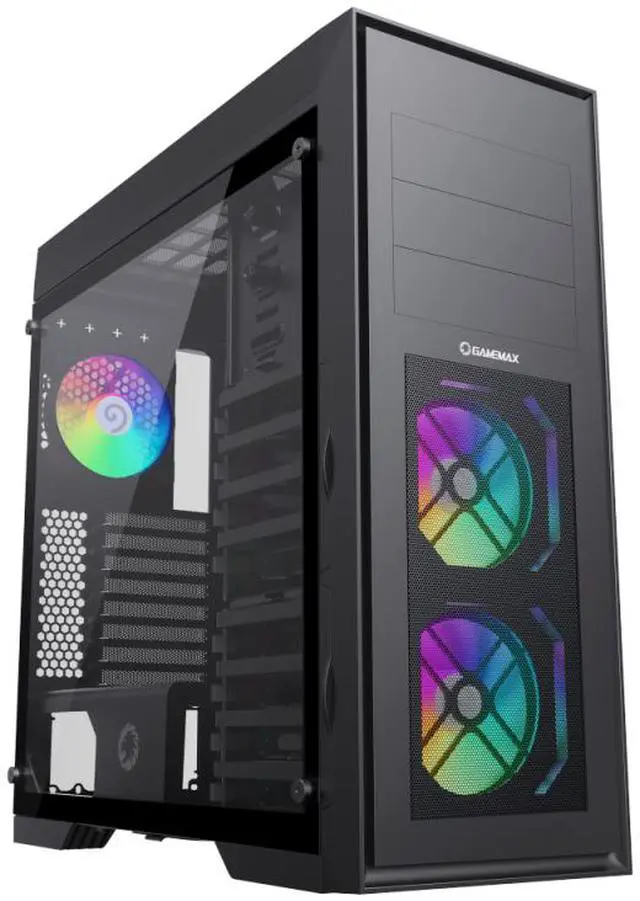
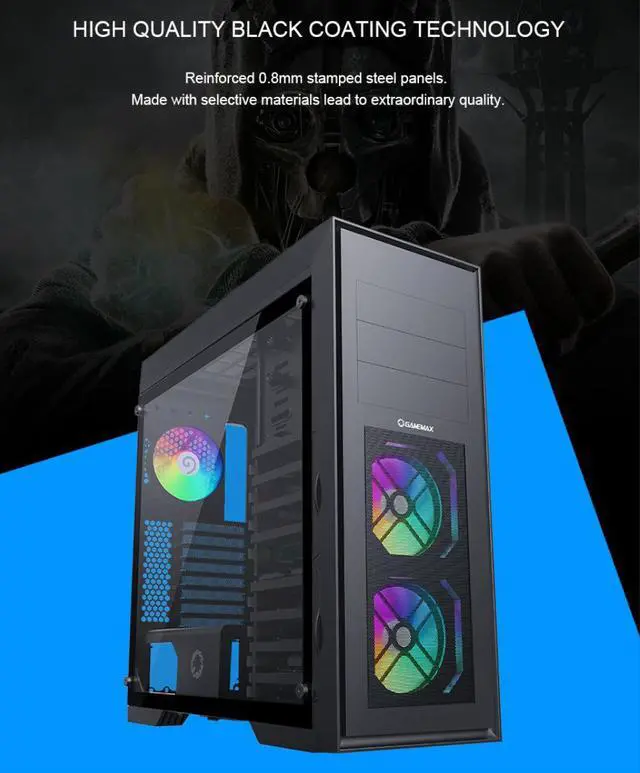
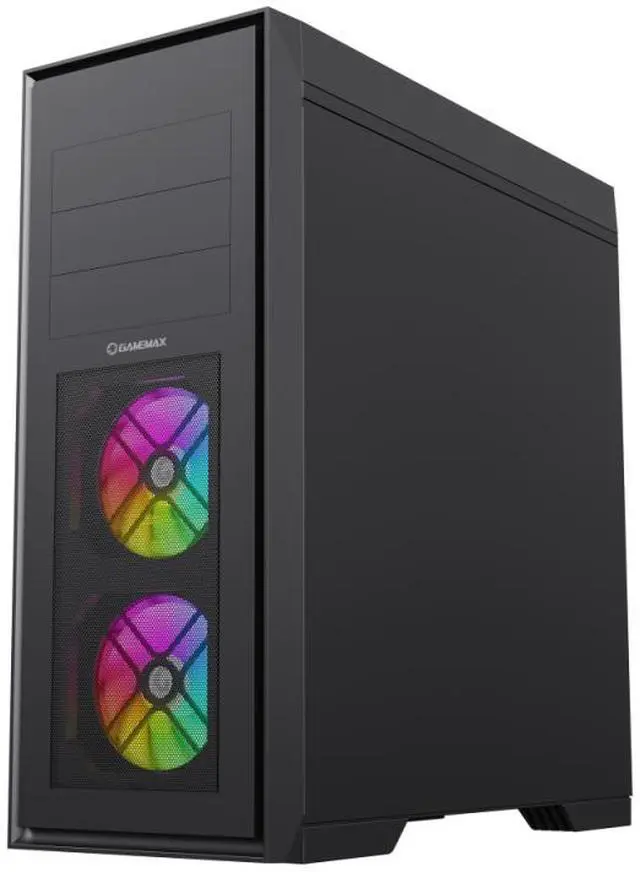
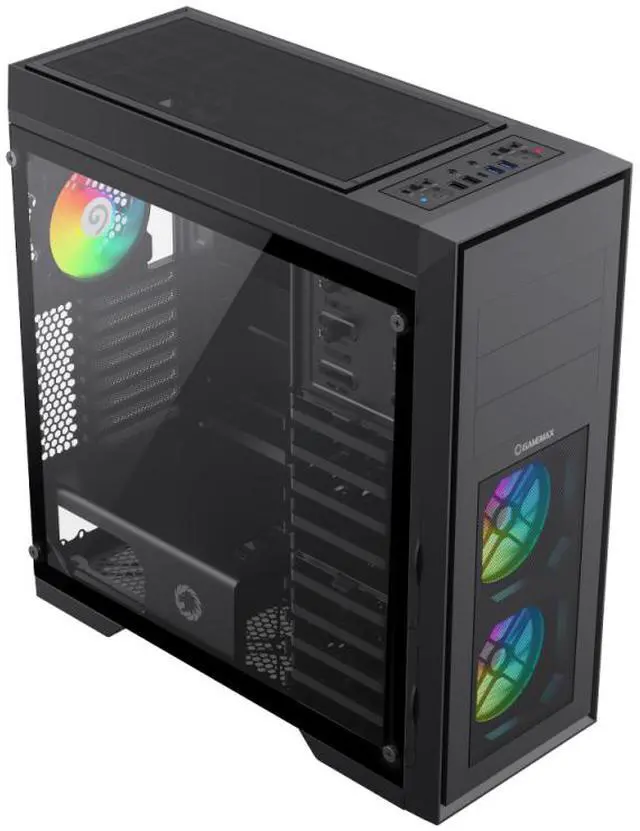
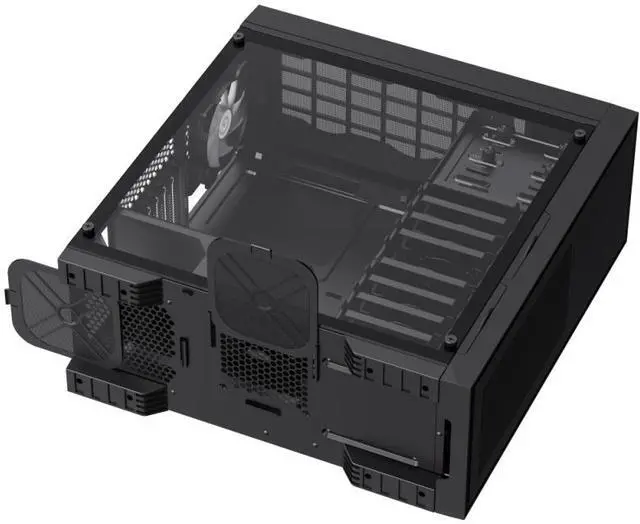
The GAMEMAX MASTER 2 is a black ATX full-tower PC case for gaming and enthusiast builds, with support for E-ATX, ATX, Micro-ATX, and Mini-ITX motherboards, three pre-installed ARGB fans, and top-mounted support for a radiator up to 360mm.
Q: Should I choose the GAMEMAX MASTER 2 or a compact ATX case for a large GPU build?
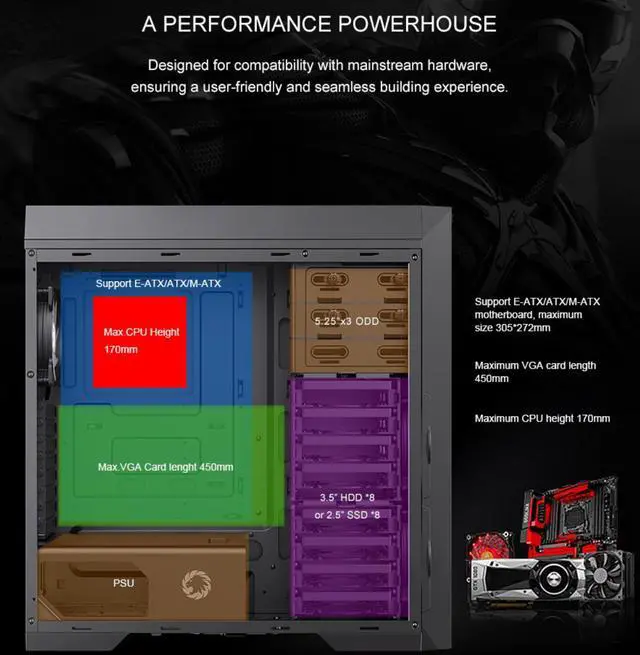
A: Choose the MASTER 2 if you need room for an E-ATX motherboard, a graphics card up to 420 mm, or a CPU cooler up to 170 mm. A compact case is the better fit when minimizing desk or floor space matters more than full-tower clearance.
Q: Is the MASTER 2 a better fit than a case with fewer drive bays for a storage-heavy PC?
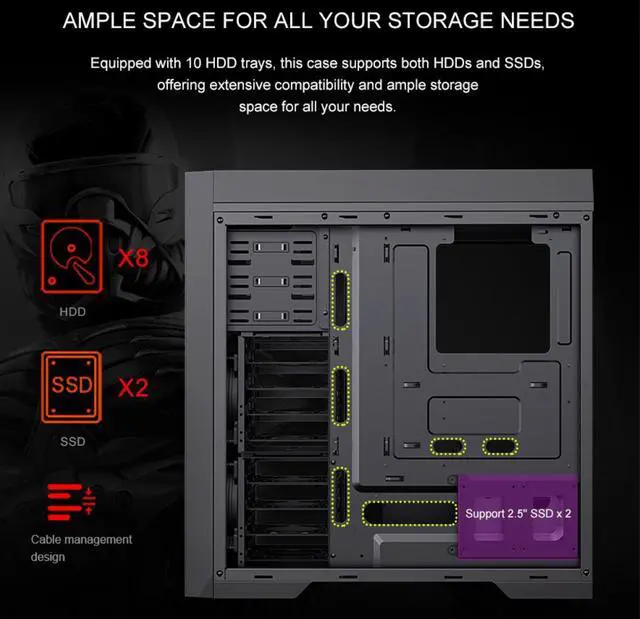
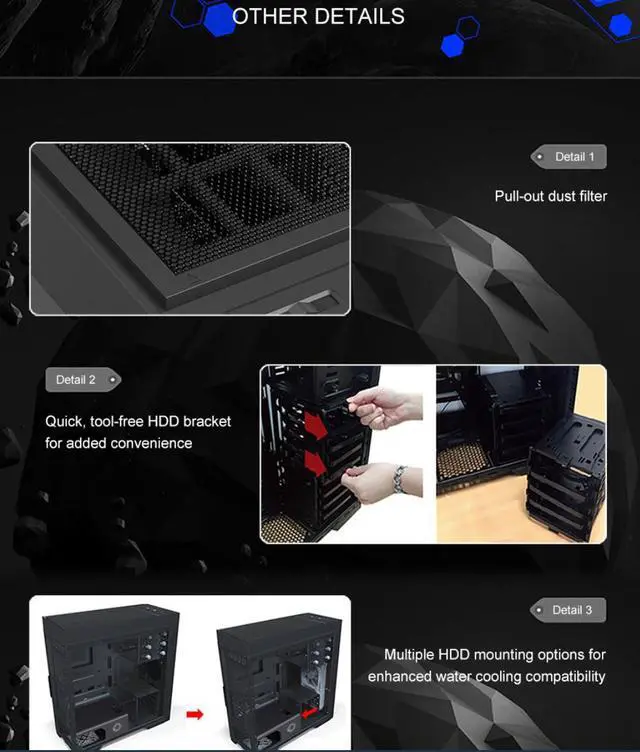
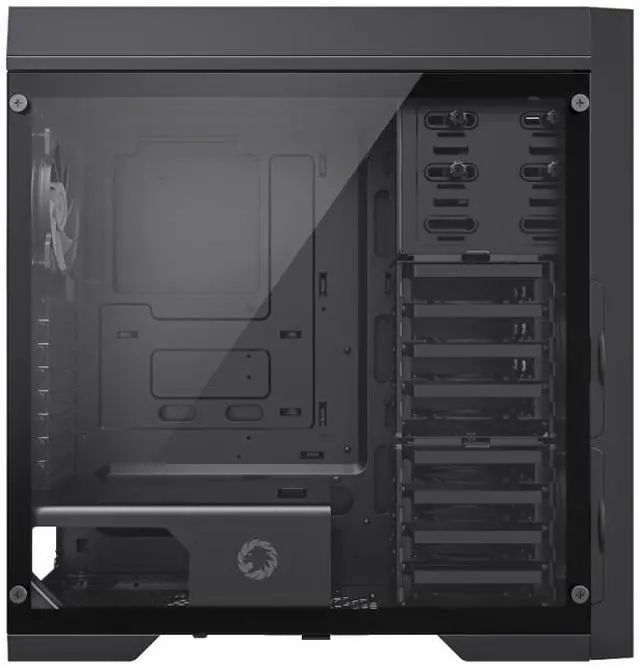
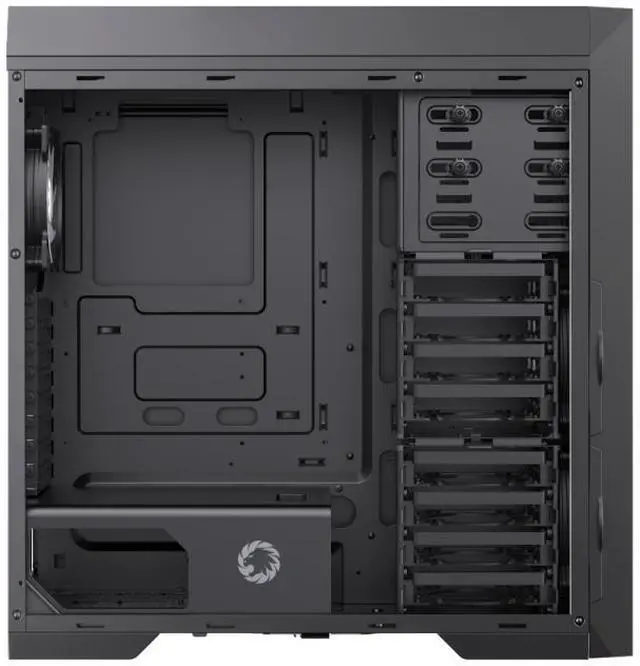
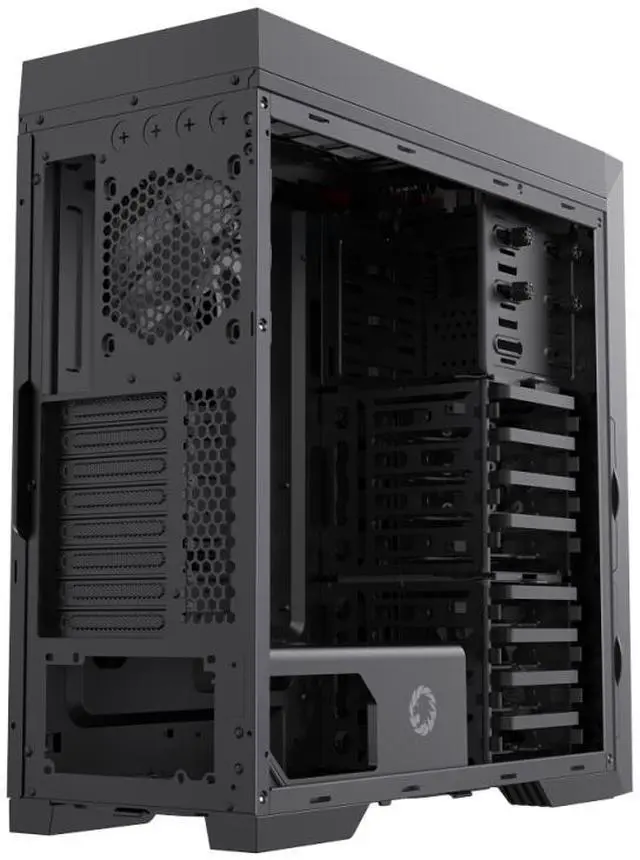
A: The MASTER 2 is a strong fit if your build needs multiple internal drives: its listed capacity is eight 3.5-inch HDDs and two 2.5-inch SSDs. A case with fewer bays may suit a build that relies mainly on M.2 storage and does not need as many drive mounts.
Q: Should I get the MASTER 2 or a case without 360 mm radiator support?
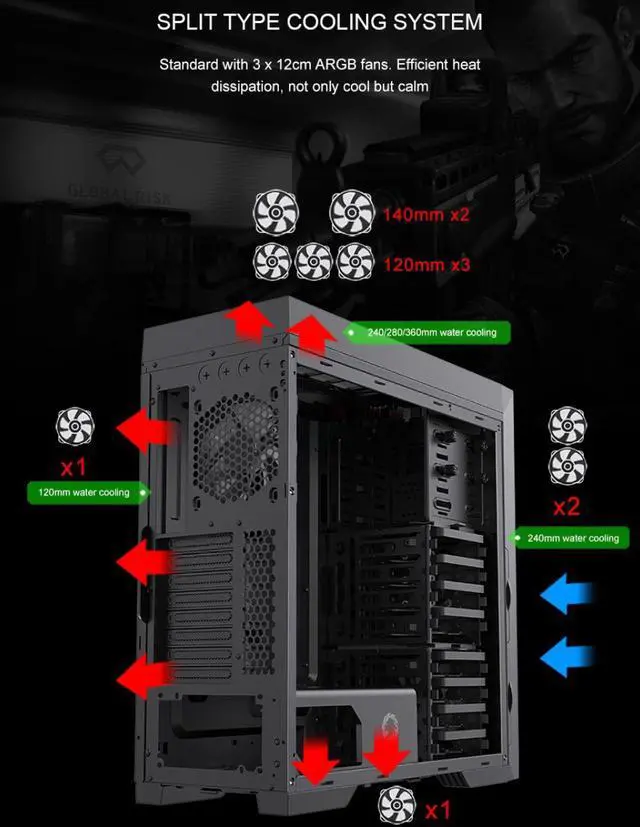
A: Choose the MASTER 2 if your cooling plan calls for a top-mounted radiator up to 360 mm. If you do not need that radiator size, compare other cases by their fit for your parts, included fans, and available drive mounts rather than radiator support alone.
Q: Is the MASTER 2 worth choosing over a smaller case for a basic gaming PC?
A: The MASTER 2 makes more sense when you want full-tower expansion room, multiple drive bays, or support for a large graphics card and top-mounted 360 mm radiator. For a basic gaming build with standard-size parts and few storage drives, a smaller case may better match the build’s space needs.
Q: Will my graphics card fit in the GAMEMAX MASTER 2?
A: Check your card’s length before buying: the product details give conflicting maximum GPU lengths of 420 mm and 450 mm. Treat 420 mm as the safer limit and confirm clearance with the seller, especially if you plan to install a front radiator.
Q: Can I install a 360 mm AIO radiator in this case?
A: The product description says the case supports a 360 mm radiator at the top and front, but its radiator-options details also list a 280 mm top limit. Because those specifications conflict, confirm the supported radiator location and dimensions with the seller before purchasing.
Q: How many fans come pre-installed, and can I add more?
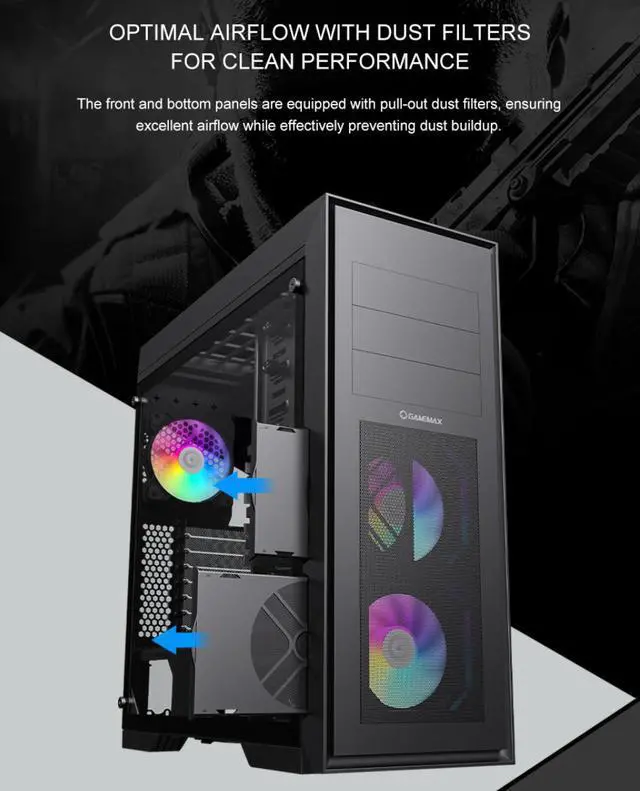
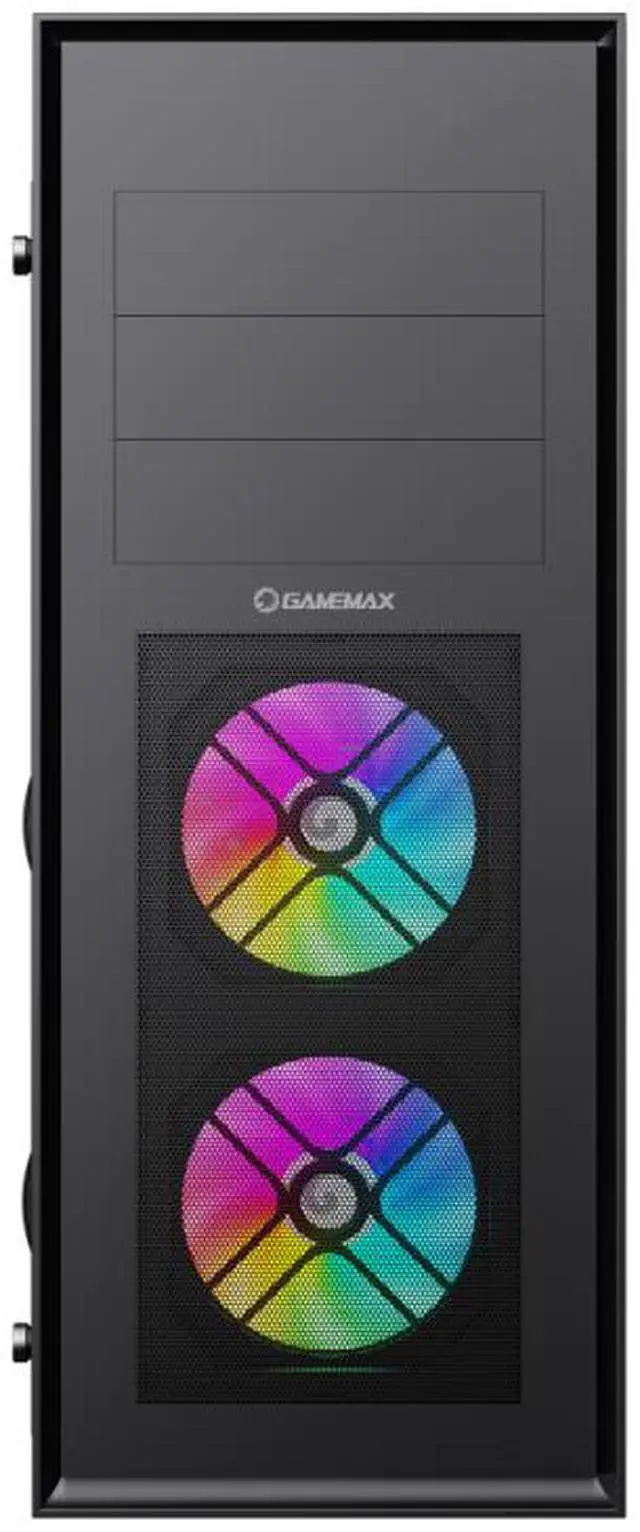
A: Three 120 mm ARGB fans are pre-installed: two at the front and one at the rear. The case is specified to support up to seven fans; additional fans are optional.
Q: Does it support E-ATX motherboards and multiple storage drives?
A: The product information lists E-ATX, ATX, Micro-ATX, and Mini-ITX motherboard support, along with eight 3.5-inch bays and two 2.5-inch bays. Check your specific E-ATX board’s dimensions and connector placement before buying.
Q: Can the MASTER 2 hold at least six 3.5-inch hard drives?
A: Yes. The provided specifications list eight internal 3.5-inch drive bays, so six drives fit by bay count. Confirm the drive-cage configuration and clearance for your other components before buying.
Q: Will it fit a large graphics card and a 360mm AIO?
A: The provided specifications list graphics-card clearance up to 420 mm and support for a top-mounted 360 mm radiator. Check your specific GPU’s dimensions and radiator thickness against the rest of your build before ordering.
Q: Is this a good choice if I need several front-access USB ports?
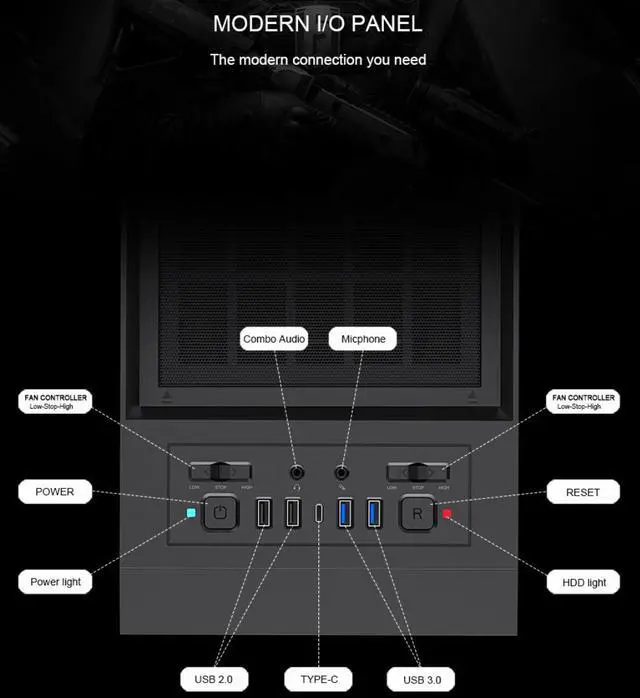
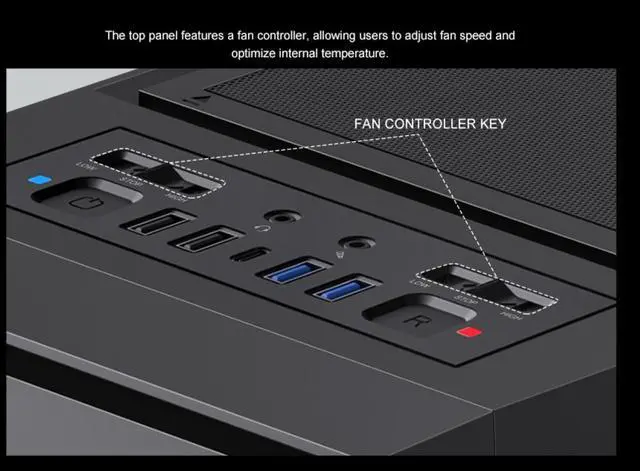
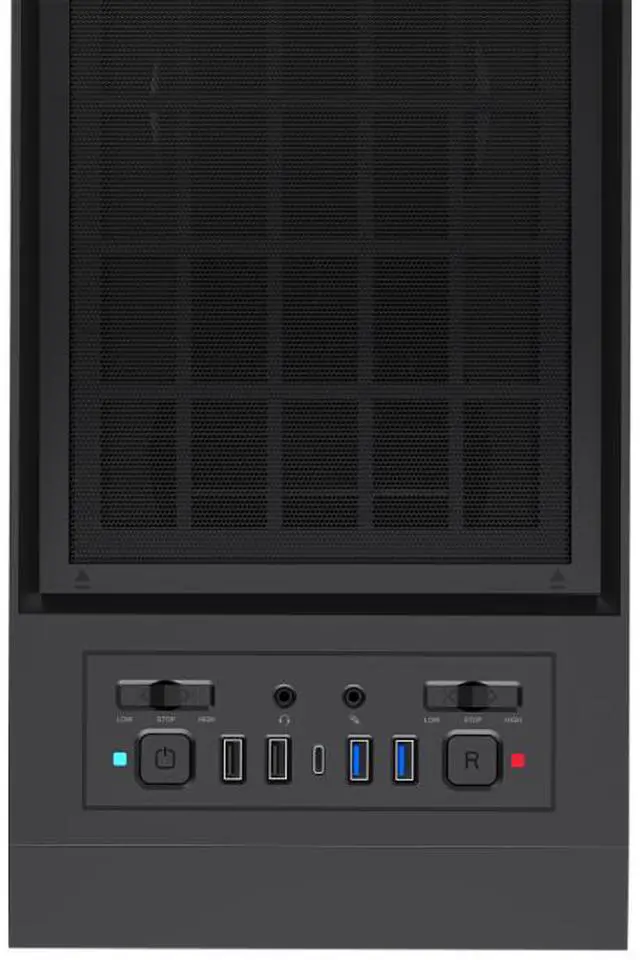
A: Check the exact listing before buying. The provided product details are inconsistent: one section lists two USB 3.0 ports, while another lists two USB 2.0 ports, two USB 3.0 ports, and USB-C. If your build depends on four USB-A ports, confirm the case’s front I/O configuration with the seller.
Q: Is the MASTER 2 suitable for a gaming and photo-editing PC?
A: It can suit a build for those uses if you want a full-tower case with room for ATX or E-ATX hardware, multiple drives, and large cooling components. The case itself does not determine gaming or editing performance; that depends on the installed CPU, GPU, memory, and storage.