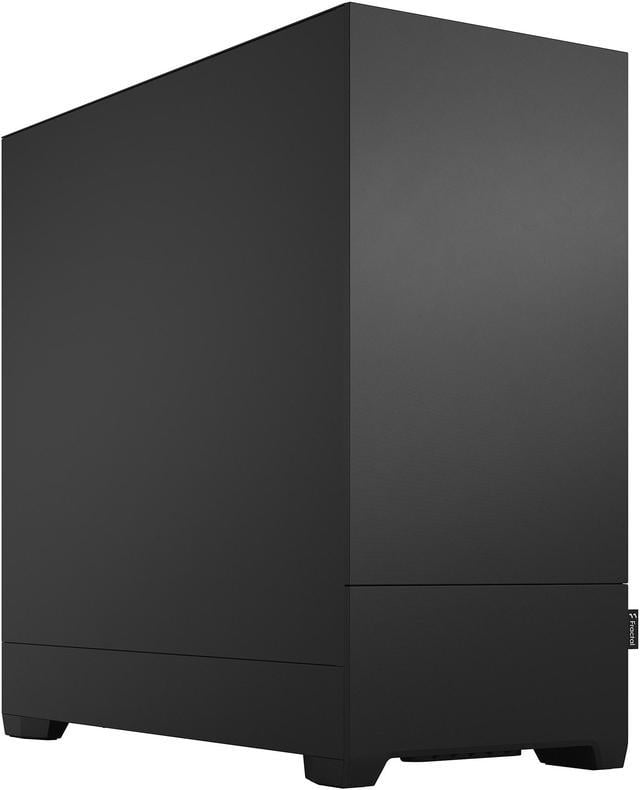
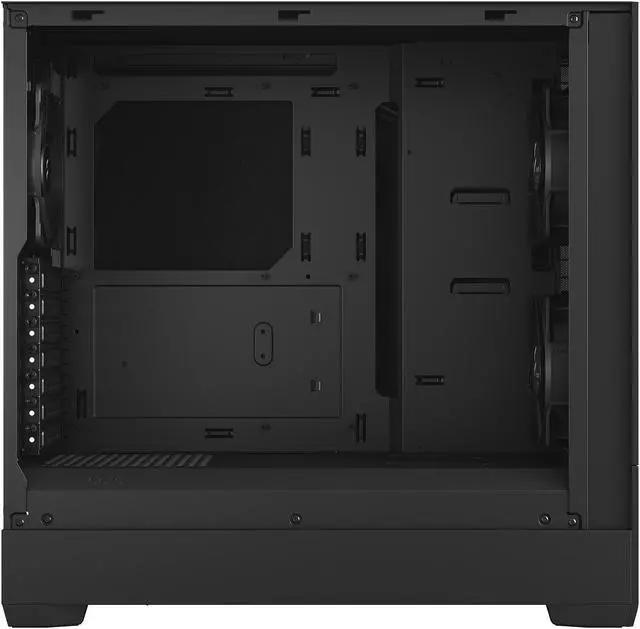
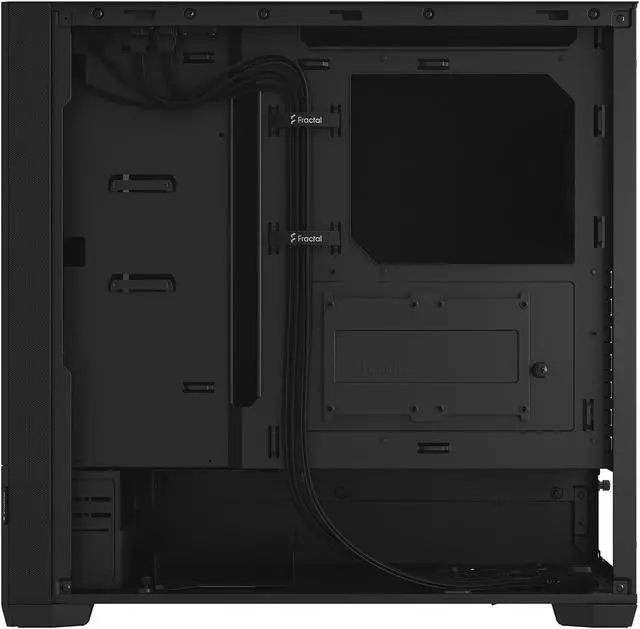
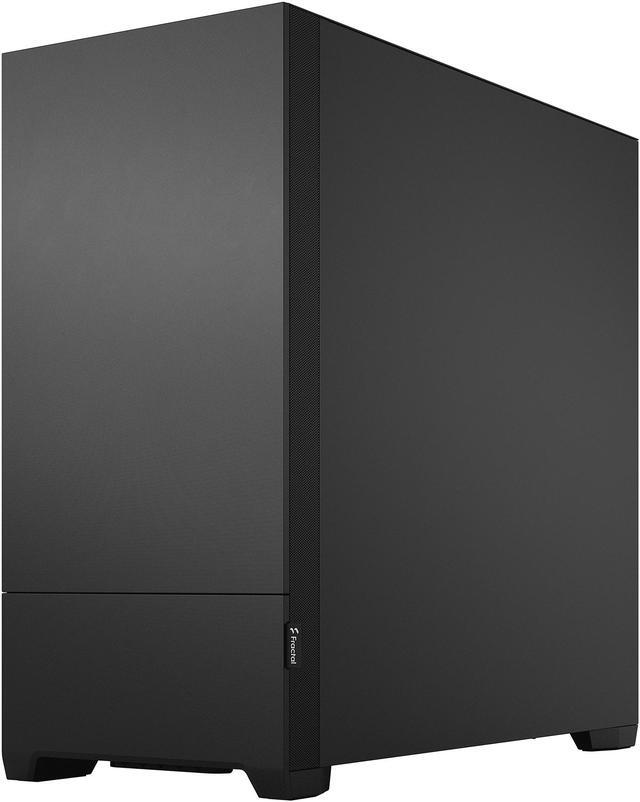
The Fractal Design Pop Silent is an ATX mid-tower PC case built for quiet desktop and gaming systems, with a closed sound-damped design, three included 120 mm fans, and support for ATX, microATX, and Mini-ITX builds. It suits users who want low-noise airflow, clean cable management, and room for full-size components.
Recommended For
- Builders who want a quieter desktop for home office, study, or mixed work-and-gaming use, and are willing to trade some airflow for closed panels and sound damping.
- Users building a clean, understated ATX tower for a bedroom or shared room, where a solid-panel look, no RGB emphasis, and lower perceived case noise matter more than showcase styling.
- Mainstream PC builders using mid-range hardware who want an easier first build, with included fans, straightforward cable management, and enough room for standard ATX parts without moving to a larger case.
- People reusing or adding several SATA drives for local storage, backups, or a media library, since the case keeps better legacy-drive support than many newer airflow-first towers.
- Users sensitive to coil whine or fan character who prefer a case designed to mask some component noise, a pattern that comes up often in community discussions around silent-case builds.
Real-World Use Scenarios
- Building a bedroom or home-office PC that stays unobtrusive during web work, streaming, and everyday multitasking; the closed, sound-damped design typically keeps fan noise less noticeable than mesh-front cases, though temperatures are usually higher under load.
- Putting together a mixed-use gaming PC for 1080p or mainstream 1440p play while trying to avoid constant fan noise; in practice the case suits quieter builds well, but users commonly accept warmer CPU and GPU temps than they would in airflow-focused towers.
- Assembling a quiet NAS-like, backup, or media PC with multiple hard drives and SSDs; the case is practical for storage-heavy setups, but spinning hard drives can remain the most audible part of the system even when the case itself is well damped.
- Choosing parts for a first-time clean build with a standard ATX layout, air cooler, and straightforward cable routing; builders generally get an easy assembly experience and a tidy result without needing a showcase-style glass case.
- Running long CPU-heavy rendering, simulation, or workstation jobs and expecting low component temperatures; this is not the best fit, because reviews consistently show the silence-first airflow design favors lower noise over sustained thermal headroom.
- Tuning a quiet enthusiast build with aftermarket fans and careful part selection; community feedback suggests the case works best when paired with efficient coolers, restrained fan curves, and moderate-heat components rather than maximum-performance hardware.
Spec Summary
| Attribute | Value |
|---|
| Best For | Quiet ATX/micro-ATX/Mini-ITX desktop builds that prioritize sound damping while retaining support for air cooling and up to 280 mm front radiators |
|---|
| Model Identifiers | Fractal Design Pop series, model FD-C-POS1A-01 (Pop Silent Black - Solid, style: Silent) |
|---|
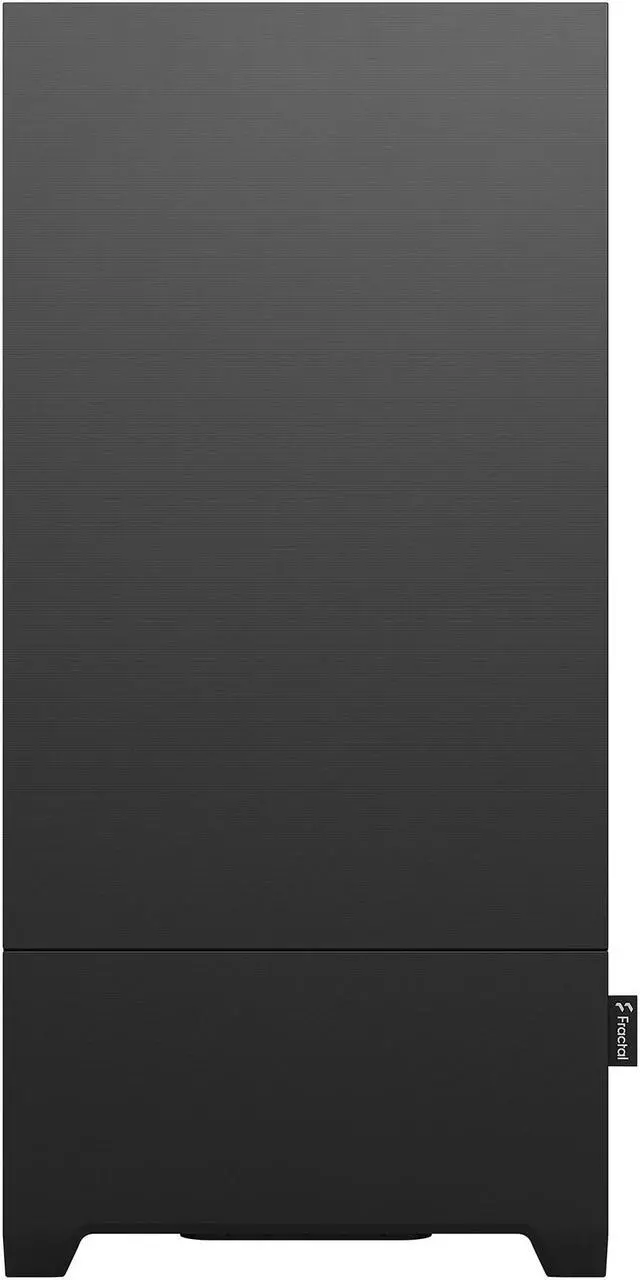
| Case And Materials | Steel mid-tower chassis in black with a solid (no-window) side panel |
|---|
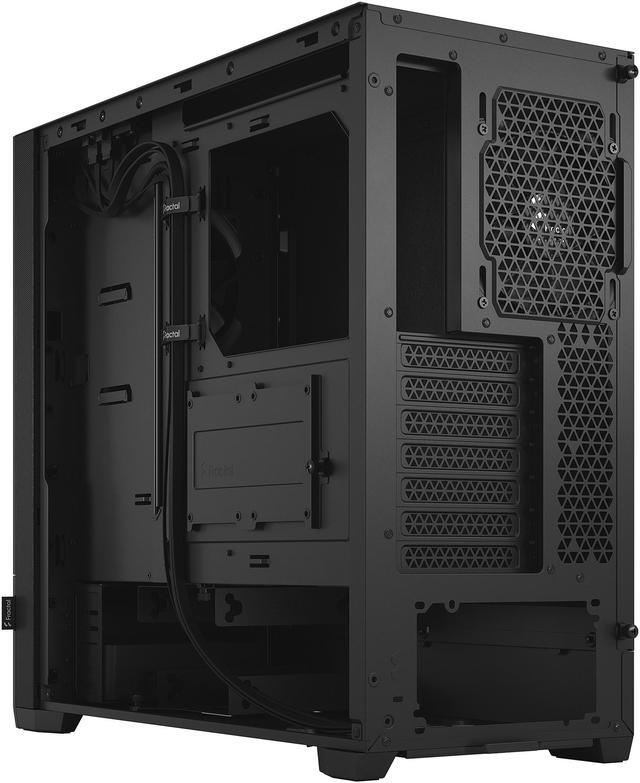
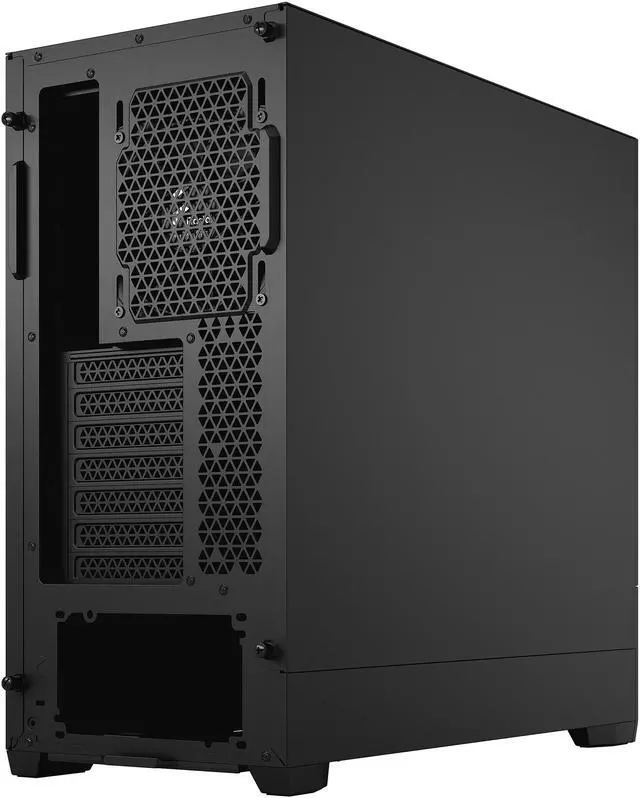
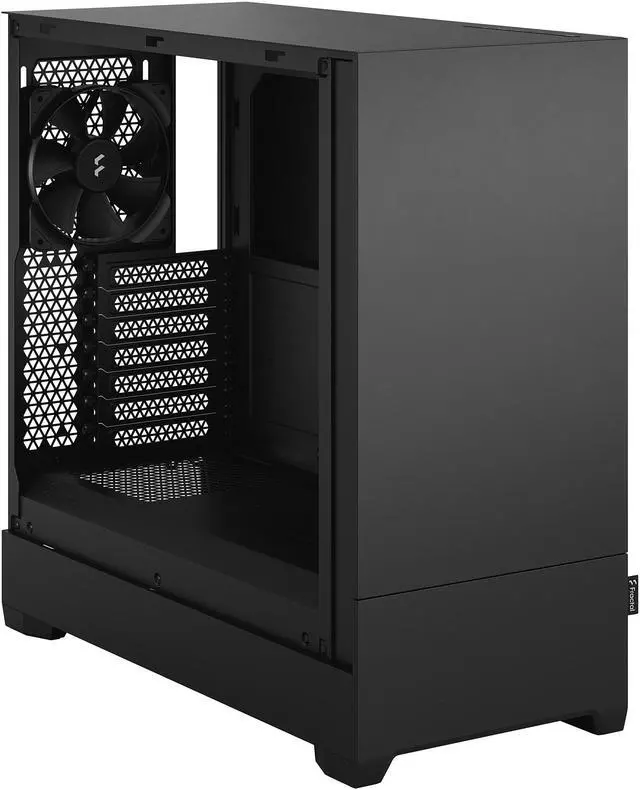
| Motherboard And Expansion | Supports ATX, Micro-ATX and Mini-ITX motherboards with 7 expansion slots |
|---|
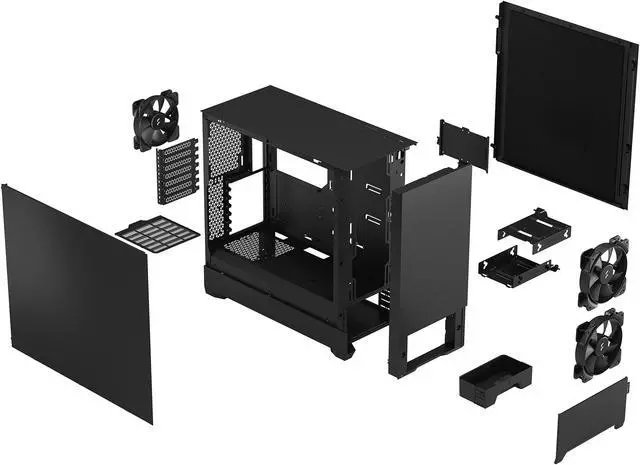
| Cooling And Fans | Includes three 120 mm Aspect fans (2 front, 1 rear); front supports up to 2 x 120 mm or 2 x 140 mm fans and rear supports 1 x 120 mm; designed for air cooling |
|---|
| Radiator Support | Front supports 240/280 mm radiators (front max width noted as 145 mm), rear supports 120 mm radiators |
|---|
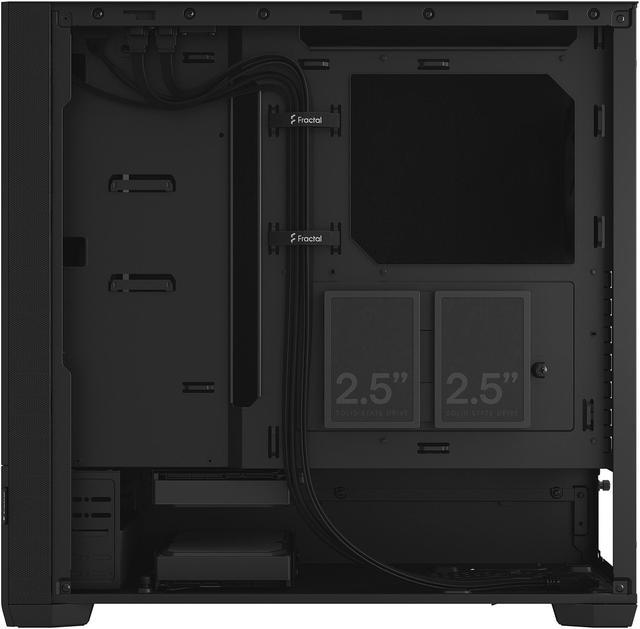
| Storage And Drive Bays | Two removable storage trays each support a 3.5" and a 2.5" drive; total internal bays include three 3.5" bays (2 included) and four 2.5" bays (2 included), plus a dedicated SSD bracket for 2 x 2.5" drives |
|---|
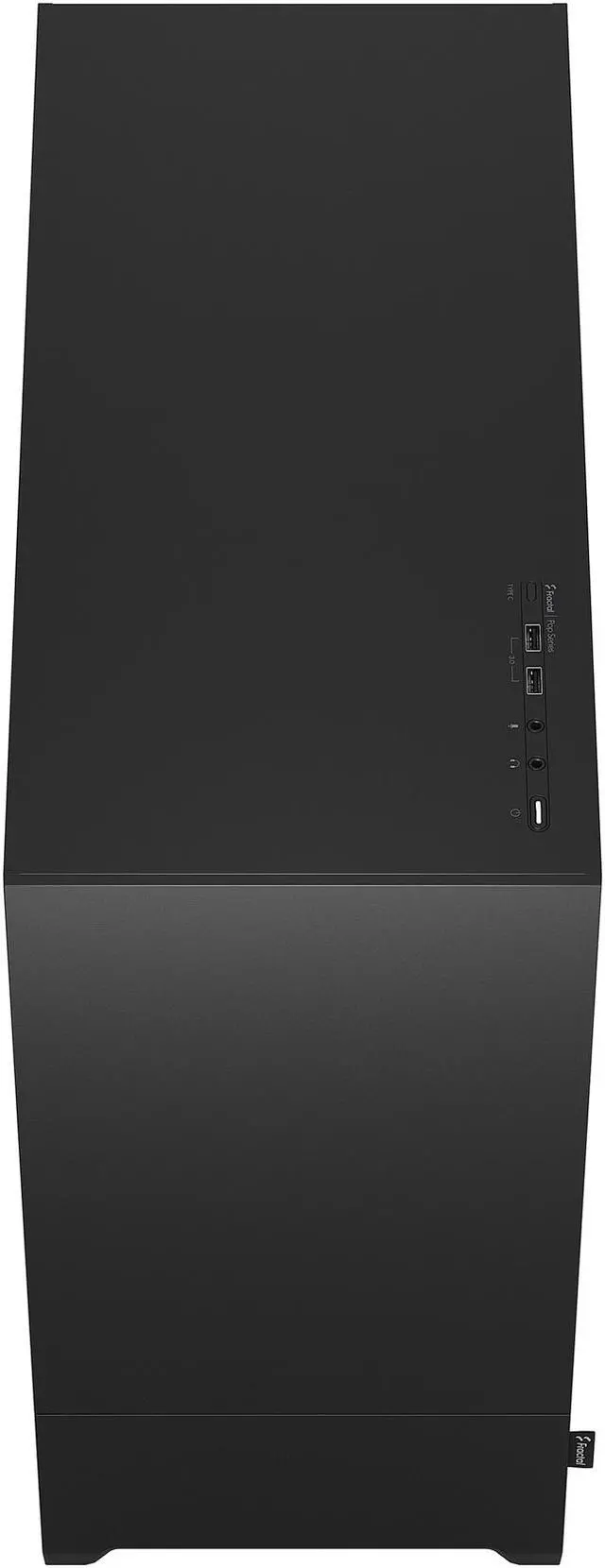
| Front I/O And Internal Connectors | Front panel includes 2 x USB 3.0 (5 Gb/s) ports and separate microphone and headphone jacks; an optional USB-C front port is available via a separately sold upgrade kit |
|---|
| Maximum Component Clearances | Supports GPU length up to 380 mm with front fan mounted, CPU cooler height up to 170 mm, and PSU length up to 170 mm |
|---|
| Dimensions And Weight | External dimensions 18.64" x 8.46" x 17.87" and weight 16.09 lbs |
|---|
| Power Supply | No power supply included; accommodates bottom-mounted PSUs up to 170 mm length |
|---|
| Features And Cable Management | Closed front and top plus bitumen-lined side panels and sound-damping foam for noise reduction; cable management with multiple tie-down points and pre-mounted Velcro straps; includes dust filters |
|---|
| Package Content And Accessories | Includes the Pop Silent case, an accessory bag and a user manual; USB-C upgrade kit and compatible cables sold separately |
|---|
Reference Q&A
Q: Should I buy the Fractal Design Pop Silent or the Pop Air?
A: Choose the Pop Silent if your priority is a cleaner, lower-noise build for productivity, general use, or lighter gaming. Fractal positions the Pop Silent as the sound-damped version with a closed front and top, while the Pop Air is the airflow-focused version with a mesh front. Reviews and community discussions consistently point to the same trade-off: Pop Air is the better fit for hotter GPUs and higher sustained gaming loads, while Pop Silent makes more sense when quieter operation and a solid-panel design matter more than maximum airflow.
Q: Is the Pop Silent a good choice for a high-performance gaming PC?
A: It can work well for a balanced gaming build, but it is a stronger match for moderate-heat systems than for airflow-first flagship builds. The case supports long GPUs and includes three 120 mm fans, but its closed, sound-damped layout naturally prioritizes noise control over unrestricted intake. If you are planning a hotter GPU or heavy sustained gaming, a mesh-front alternative is usually the more practical choice. If your goal is a quieter ATX system with mainstream gaming hardware, the Pop Silent is the better fit.
Q: Should I get the Pop Silent or move up to a Fractal Define 7 Compact?
A: Choose the Pop Silent if you want a simpler, lower-cost Fractal silent case with current mainstream compatibility and fewer extras. Move up to the Define 7 Compact if you want a more premium silent-case design with broader fan support, more refinement, and more flexibility around airflow versus silence. Fractal positions the Define series as its more feature-rich silence-focused line, and community comparisons commonly treat Pop Silent as the more budget-oriented option within the same general quiet-case philosophy.
Q: Should I choose the Pop Silent or Fractal North?
A: Choose the Pop Silent if you want a quieter solid-panel case and do not need the strongest airflow focus. Choose Fractal North if you want a more airflow-oriented case with stronger enthusiast appeal for gaming hardware and a more design-led exterior. Review coverage and user discussions generally place North closer to the performance-and-style side of the market, while Pop Silent is the more practical choice for users who specifically want sound damping and understated looks.
Q: Is the Fractal Design Pop Silent a good case for a quiet everyday or work-focused PC?
A: Yes. The Pop Silent is best suited to users who prioritize lower noise, a plain solid-panel design, and mainstream ATX builds over maximum airflow. Its closed front and top panels, sound-damping materials, and three included 120 mm fans make it a practical fit for office, productivity, media, and lighter gaming systems. The trade-off is that it is less ideal for very hot, high-power builds than airflow-first cases.
Q: Is the Pop Silent good for gaming, or is airflow too limited?
A: It is fine for moderate gaming builds, but it is not the best choice if your main goal is the lowest possible GPU and CPU temperatures. The case is designed around silence, so the closed front and top restrict airflow compared with mesh-front alternatives like the Pop Air. For mid-range components, it should be workable; for hotter GPUs or sustained heavy gaming, an airflow-focused case is usually the safer choice.
Q: Should I choose the Pop Silent or the Pop Air?
A: Choose the Pop Silent if you value lower noise, a cleaner closed-panel look, and a non-windowed case for a general-purpose or quieter build. Choose the Pop Air if you care more about cooling headroom, especially for stronger gaming hardware. The decision is mainly silence versus airflow: the Pop Silent favors acoustics, while the Pop Air is the better fit for hotter parts.
Q: Will this case fit a large graphics card and a typical tower air cooler?
A: Yes for many builds. The Pop Silent supports GPUs up to 380 mm with the front fan mounted, and Fractal's support documentation notes up to 405 mm without a front fan blocking the path. It also supports CPU coolers up to 170 mm tall, which covers many mainstream tower coolers. Buyers should still check exact GPU length, front radiator plans, and cable clearance before purchase.
Q: Does the Pop Silent have front USB-C, and is storage flexibility good enough for a multi-drive build?
A: Out of the box, it does not include front USB-C; that port requires Fractal's optional upgrade kit sold separately. Storage flexibility is good for a modern mainstream build: it supports up to 3 internal 3.5-inch drives and 4 internal 2.5-inch drives, with two versatile trays and a dedicated SSD bracket. It is a better fit for mixed SSD/HDD storage than for users who need many legacy drive bays.
Q: Who is the Fractal Design Pop Silent best suited for?
A: The Pop Silent is best suited for users who want a simple ATX case with lower noise, no glass side panel, and support for standard air-cooled builds. It fits productivity, general-purpose, and lighter gaming systems better than high-heat gaming builds, because its closed front and top prioritize noise control over maximum airflow.
Q: Is the Pop Silent a good choice for a quiet PC build?
A: Yes, if your priority is reducing case noise in a moderate-power build. The case uses a closed front and top plus sound-damping material, and it includes three 120 mm fans. The trade-off is that silence-focused panels can restrict airflow, so quiet operation is easier to maintain with mid-range components than with hotter CPUs or GPUs.
Q: What are the main trade-offs versus the Fractal Pop Air?
A: The main trade-off is lower airflow in exchange for more noise damping. Compared with the Pop Air, the Pop Silent is the better fit if you prefer a solid-panel, quieter case. The Pop Air is usually the better fit for stronger gaming hardware, because higher airflow can lower component temperatures and sometimes reduce fan noise under load.
Q: Is the Pop Silent a good option for a gaming PC?
A: It can work for gaming PCs, but it is a better match for lower- to mid-heat gaming builds than for top-end hardware. The case supports long GPUs, front radiators up to 280 mm, and tower coolers up to 170 mm, but repeated Reddit discussion points to weaker airflow than mesh-front alternatives. If your build includes hotter parts, an airflow-focused case is usually the safer choice.
Q: Is the Pop Silent worth buying over other budget mid-tower cases?
A: It is worth buying if you specifically want a quiet-looking, solid-panel ATX case with three included fans, straightforward storage support, and no RGB or glass emphasis. It is less compelling if your top priority is cooling efficiency, front USB-C out of the box, or maximum airflow for high-performance parts, since USB-C requires a separate kit and the closed design favors acoustics over cooling headroom.








/11-352-176a/clogo.jpg)
/11-352-176a/ch1.jpg)
/11-352-176a/dividerline.jpg)
/11-352-176a/dividerline2.jpg)
/11-352-176a/1.jpg)
/11-352-176a/2.jpg)
/11-352-176a/3.jpg)
/11-352-176a/4.jpg)
/11-352-176a/5.jpg)
/11-352-176a/6.jpg)
/11-352-176a/7.jpg)
/11-352-176a/dividerline3.jpg)
/11-352-176a/8.jpg)
/11-352-176a/9.jpg)
/11-352-176a/10.jpg)