





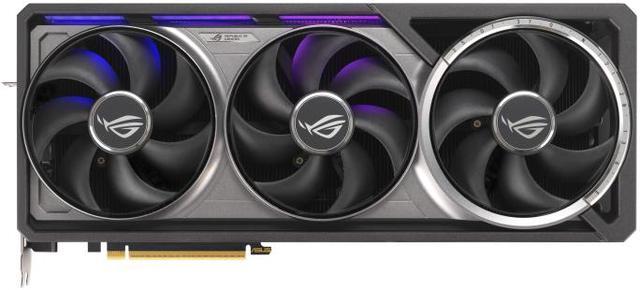
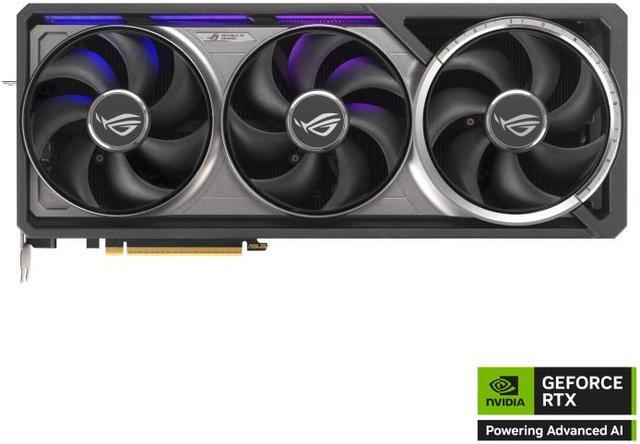
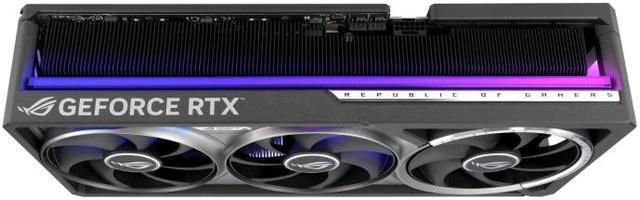
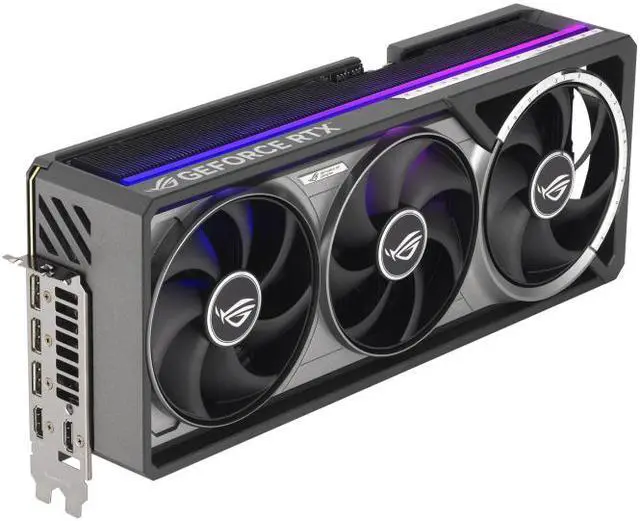
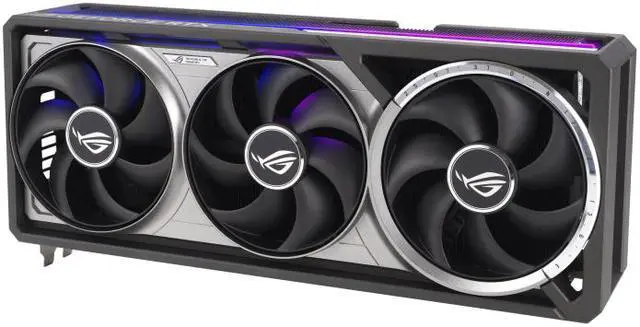
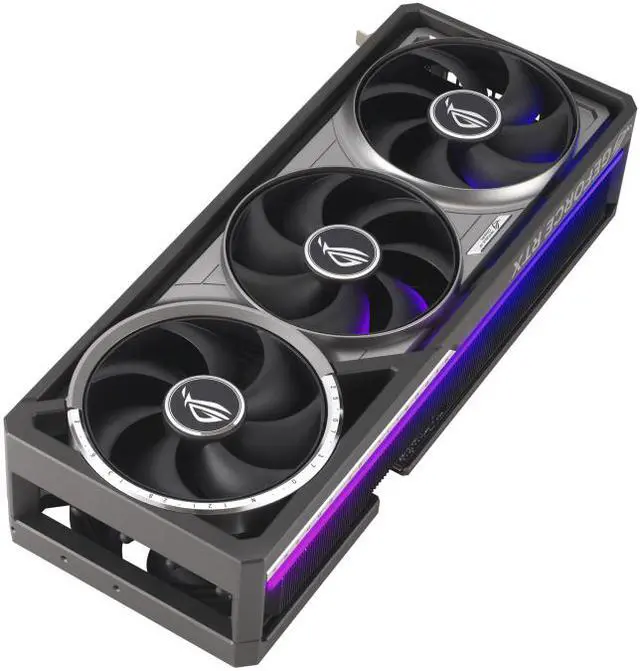
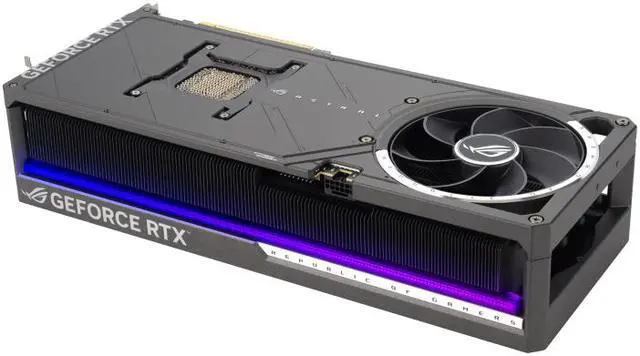


ASUS ROG Astral GeForce RTX 5090 32GB GDDR7 OC Edition ROG-ASTRAL-RTX5090-O32G-GAMING DLSS 4.0 PCI Express 5.0 Graphics Card
- ROG Astral
- PCI Express 5.0
- DLSS 4.0
- 32GB GDDR7
- 21760 CUDA Cores
Overview
Specs
Reviews (103)
The new ROG Astral family was inspired by the limitless expanse and beauty of the cosmos, and it is a testament to an unending dedication to exploring and defining new frontiers.
Warranty & Returns
Warranty, Returns, And Additional Information
Warranty
- Limited Warranty period (parts): 3 years
- Limited Warranty period (labor): 3 years
- Read full details
Return Policies
- Return for refund within: 30 days
- Return for replacement within: 30 days
- This item is covered by Newegg.ca's Standard Return Policy.
- 15% restocking fee may apply.
- Read full return policy for details.
Manufacturer Contact Info
- Manufacturer Product Page
- Manufacturer Website
- Support Phone: 1-510-739-3777
- Support Website
- View other products from ASUS
LOADING...
LOADING...
The ASUS ROG Astral GeForce RTX 5090 OC Edition is a flagship PCIe 5.0 graphics card with 32GB of GDDR7 memory and 21,760 CUDA cores, built for enthusiasts creating 8K, max-settings, or advanced AI and rendering workloads in large desktop PCs with strong power and cooling.
Recommended For
- Enthusiast 4K and ultrawide gamers building a no-compromise desktop who want one of the fastest RTX 5090 variants, extra cooling headroom, and features like dual BIOS and additional display outputs for multi-monitor setups.
- PC enthusiasts and overclockers using oversized cases, high-end cooling, and 1000W+ quality PSUs who specifically shop for premium board designs with stronger power delivery and thermal tuning rather than baseline RTX 5090 models.
- Creators working in GPU-heavy 3D rendering, high-resolution video, or multi-app Studio workflows who benefit from 32GB VRAM and prefer a flagship GeForce card that can serve both production work and top-end gaming in one tower.
- Local AI and generative-media experimenters running image, video, or inference workflows on a single consumer GPU who want more VRAM than mainstream gaming cards and are comfortable tuning software stacks around GeForce limitations.
Real-World Use Scenarios
- Playing recent AAA games at 4K with ray tracing or path tracing enabled: this card is typically used to push very high image quality while keeping frame rates smooth, especially when DLSS 4 and frame generation are available.
- Using a high-refresh 4K monitor for competitive or mixed gaming: users can usually run demanding games at 4K with fewer settings compromises than lower-tier cards, and lighter esports titles can exceed very high refresh targets.
- Rendering large 3D scenes in Blender, Octane, Redshift, or Unreal Engine: creators typically see shorter render times and more headroom for complex scenes, with 32GB VRAM helping when assets, textures, or geometry exceed what smaller cards handle comfortably.
- Editing high-resolution video and running AI-enhanced effects in apps like Premiere Pro, DaVinci Resolve, or Topaz Video AI: the typical outcome is faster exports, smoother timeline playback with heavy GPU effects, and better handling of large projects than mainstream GPUs.
- Building a showcase flagship gaming PC with multiple high-resolution displays or VR: the card fits buyers who want one GPU for 4K gaming, creator work, and advanced display setups, but the real-world tradeoff is that the system needs a large case, strong airflow, and a high-capacity PSU.
- Experimenting with extreme visual settings such as 5K, ultrawide, or 8K output in supported workloads: users can attempt these setups more realistically than with lower-end cards, though results still depend heavily on the game, use of upscaling, and the rest of the system.
Spec Summary
| Attribute | Value |
|---|---|
| Best For | High-end 4K/8K gaming, virtual reality, and GPU-accelerated creative/professional workflows that benefit from a very large 32GB framebuffer and high CUDA core count |
| GPU And Core Count | NVIDIA GeForce RTX 5090 GPU with 21,760 CUDA cores and factory OC boost clock up to 2610 MHz (OC mode) |
| Memory Configuration | 32GB GDDR7 memory on a 512-bit bus with an effective memory clock listed as 28,000 MHz (28 Gbps) |
| Interface And Bus | PCI Express 5.0 x16 interface |
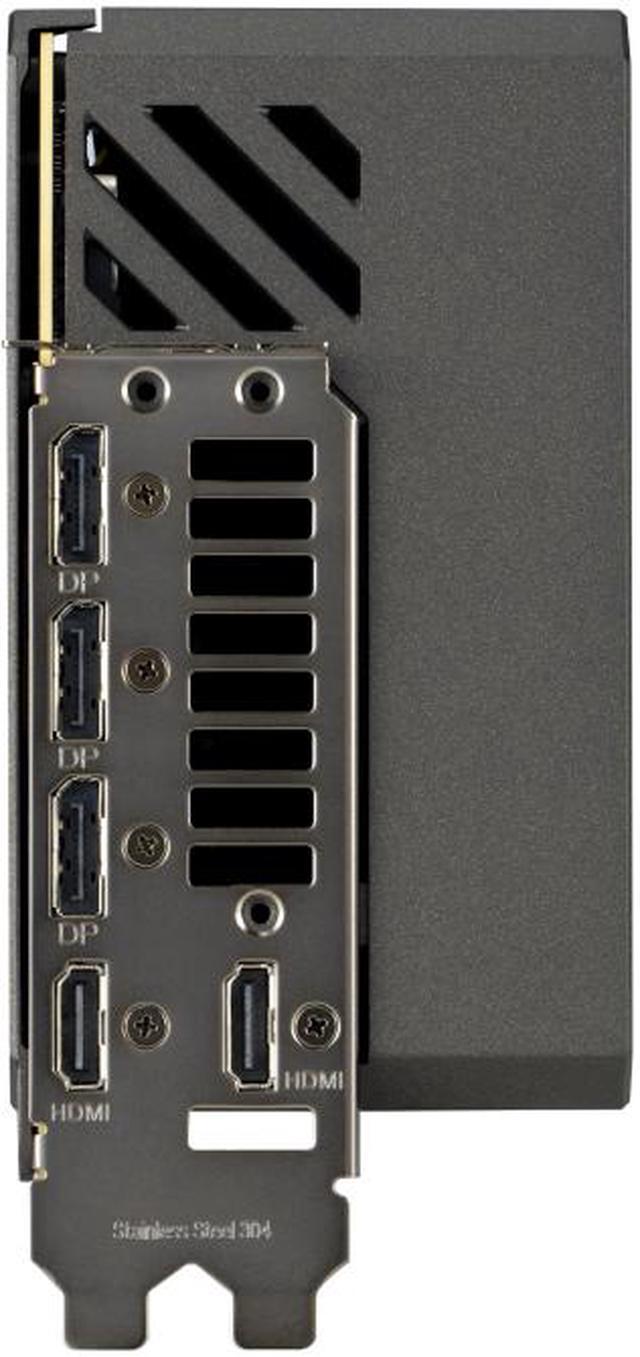
| Display Outputs And Max Resolution | 3× DisplayPort 2.1a and 2× HDMI 2.1b outputs, supports up to 7680 x 4320 resolution and up to 4 monitors |
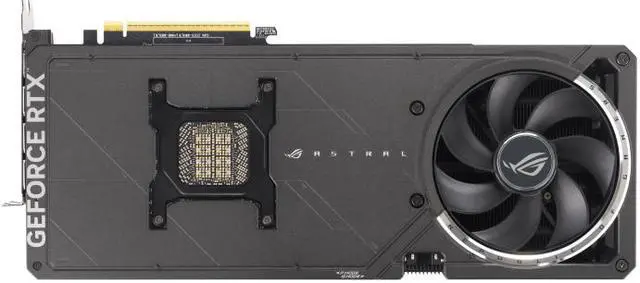
| Cooling And Physical | Triple-fan cooler, 3.8-slot card width, ATX form factor; card length 357.6 mm (14.1 in) with card dimensions 14.1 x 5.9 x 3 in and item weight listed as 5 Pounds |
| Power And Requirements | Thermal Design Power 575W; recommended system PSU 1000W; requires 1 × 16‑pin power connector |
| Compatibility, APIs And Features | OpenGL 4.6 support, HDCP ready, SLI not supported, VR ready |
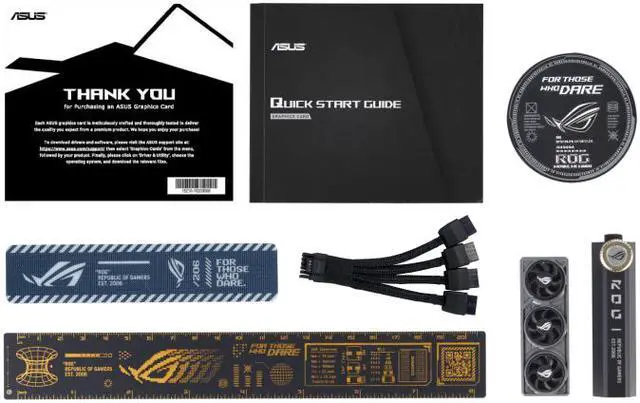
| Package Contents | Includes speedsetup manual, ROG graphics card holder, ROG Velcro hook & loop, ROG magnet, ROG graphics card keycap, ROG PCB ruler, thank you card, and adapter cable (1 to 4); package quantity 1 |
| Model Identifiers | ASUS ROG Astral — model ROG-ASTRAL-RTX5090-O32G-GAMING (NVIDIA GeForce RTX 5090); part of the NVIDIA GeForce RTX 50 Series |
Reference Q&A
Q: Should I buy the ASUS ROG Astral RTX 5090 OC or an RTX 4090?
A: Choose the ASUS ROG Astral RTX 5090 OC if you want a clear step up in top-end 4K gaming, heavier ray tracing workloads, newer Blackwell features such as DLSS 4 support, and 32GB of VRAM for long-horizon creator or AI use. Choose an RTX 4090 if your priority is reducing platform power and size demands, since the 5090 class moves to a 575W board power target and this Astral model is especially large at 357.6 mm and 3.8 slots. In practical buying terms, the Astral 5090 makes the most sense for users building around maximum performance and memory headroom rather than for owners already satisfied with 4090-class gaming.
Q: Is the ASUS ROG Astral RTX 5090 OC worth it over an RTX 5080?
A: Buy the ASUS ROG Astral RTX 5090 OC if you are specifically targeting the fastest possible GeForce gaming performance, need 32GB of memory instead of 16GB-class alternatives, or expect to run demanding 4K ray tracing, creator, or local AI workloads. An RTX 5080 is the more practical choice when you want high-end performance with lower power, lower case-fit risk, and a much smaller total system budget. The common review pattern is that the 5090 is the performance-first option, while the 5080 is the easier recommendation for users who do not need flagship-class VRAM and power headroom.
Q: Should I get the ASUS ROG Astral RTX 5090 OC or a standard RTX 5090 model?
A: Choose the ASUS ROG Astral RTX 5090 OC when your goal is a premium air-cooled 5090 with a stronger factory overclock, very large cooler, and lower-temperature operation under sustained load. Choose a more standard RTX 5090 if you want the same core GPU tier with fewer physical fit constraints or a lower buy-in. Reviews consistently position the Astral as a flagship custom card that adds cooling, acoustics, and build-quality benefits, but the extra spend mainly pays off for buyers who specifically want a top-end board design rather than simply access to RTX 5090 performance.
Q: Is the ASUS ROG Astral RTX 5090 OC a good upgrade from an RTX 3090?
A: Yes, the ASUS ROG Astral RTX 5090 OC is a more straightforward upgrade from an RTX 3090 than from an RTX 4090. You gain a much newer architecture, substantially higher gaming performance, updated ray tracing and AI capabilities, and a jump from 24GB to 32GB of VRAM. The main trade-off is platform readiness: this card is very large, uses a 16-pin power connector, and is specified around a 1000W PSU class. If you are moving from a 3090-era system and want a full flagship refresh for 4K gaming, heavy rendering, or AI workloads, the Astral 5090 fits that use case well.
Q: Should I choose the ASUS ROG Astral RTX 5090 OC for a compact or portability-focused build?
A: No if compact fit is a priority. This ASUS ROG Astral RTX 5090 OC is a performance-first desktop card, not a space-efficient option. Its 357.6 mm length, 3.8-slot width, 575W TDP, and 1000W PSU recommendation make it better suited to large cases with strong airflow and clear cable routing. If you are balancing size, thermals, and easier installation, a smaller RTX 5090 design or a lower-tier GPU is the safer comparison outcome. Choose the Astral specifically when chassis size and power budget are secondary to maximum desktop GPU performance.
Q: Will this RTX 5090 fit in most PC cases?
A: Only if your case has very large GPU clearance. This ASUS ROG Astral RTX 5090 is 357.6 mm long and 3.8 slots thick, so it is better suited to full-size or roomy mid-tower builds. It is not a safe choice for compact cases, small-form-factor systems, or builds that already have tight front radiator or drive-cage clearance.
Q: Do I need a new power supply for this card?
A: In many builds, yes. This card has a 575 W TDP, uses one 16-pin power connector, and ASUS lists a 1000 W recommended PSU. That makes it a poor fit for older or midrange power supplies. If your system already runs a high-end CPU, multiple drives, or aggressive overclocks, a higher-quality 1000 W to 1200 W PSU is the safer pairing.
Q: Who is this graphics card best for?
A: This card is best for buyers building an uncompromising high-end desktop for 4K gaming, multi-monitor setups, heavy ray tracing, or demanding GPU-accelerated creation workloads. It is not an efficient choice for basic gaming, office work, or budget-conscious builds, because its size, power draw, and price-class requirements are far beyond mainstream needs.
Q: Is this a good choice for a multi-monitor or TV-plus-monitor setup?
A: Yes, if you need many modern display outputs. This model supports up to four displays and includes 2 HDMI 2.1b ports plus 3 DisplayPort 2.1a ports, which is more flexible than many GPUs that offer only one HDMI port. It is a strong fit for users running multiple monitors or a monitor-and-TV setup, but output flexibility does not offset the card's large size and high power demand.
Q: Is this better than a smaller RTX 5090 alternative?
A: It is better if you want a premium oversized cooler and do not mind the space and power trade-offs. A smaller RTX 5090 model will usually be easier to fit into more cases and may be simpler to cable-manage, while this ROG Astral prioritizes a larger physical design and factory-overclocked positioning. The main decision is not whether it is an RTX 5090, but whether your case, PSU, and build priorities can support a very large flagship card.
Q: Is the ASUS ROG Astral RTX 5090 worth buying over a cheaper RTX 5090 model?
A: Usually only if you specifically want a flagship air-cooled design, extra monitoring features, and are comfortable paying a large premium. The core GPU is still an RTX 5090, so for most buyers the main gain over cheaper 5090 models is build, cooling, and card-specific features rather than a fundamentally different performance tier.
Q: Who is the ASUS ROG Astral RTX 5090 best suited for?
A: It is best suited for buyers building a no-compromise desktop for 4K, multi-monitor, VR, or heavy GPU workloads that can benefit from 32GB of VRAM. It is less suitable for typical 1440p gaming builds, where its size, 575W power draw, and price are harder to justify.
Q: What are the main trade-offs before buying the ASUS ROG Astral RTX 5090?
A: The main trade-offs are physical size, power demand, and system compatibility. This card is very large at 357.6 mm long and 3.8 slots wide, uses a 16-pin power connector, has a 575W TDP, and ASUS recommends a 1000W PSU. It makes the most sense in a spacious case with a strong power supply and clear airflow planning.
Q: Is the ASUS ROG Astral RTX 5090 a good choice mainly for gaming?
A: It can be a strong choice for high-end 4K gaming, but it is not the most efficient value choice if gaming is your only goal. Community discussion repeatedly frames it as easiest to justify when you want maximum 4K headroom, extra VRAM, or mixed use such as content creation, rather than as a purely price-efficient gaming upgrade.
Q: Are noise and coil whine concerns a real buying consideration for the ASUS ROG Astral RTX 5090?
A: Yes. Reddit discussion shows repeated concern about fan noise, the extra fan behavior, and coil whine under load. That does not mean every unit has a problem, but buyers who are sensitive to acoustic noise should treat this as a real trade-off and plan for case airflow, fan tuning, and realistic expectations under heavy load.