


Best Sellers
- $652.90
- + FREE SHIPPING
- $724.19
- + FREE SHIPPING
- $959.99
- + FREE SHIPPING



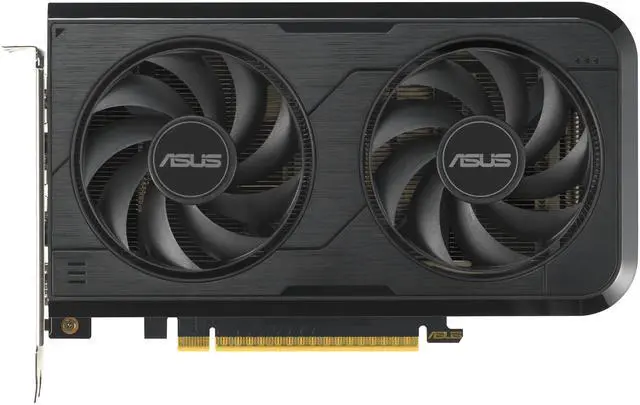
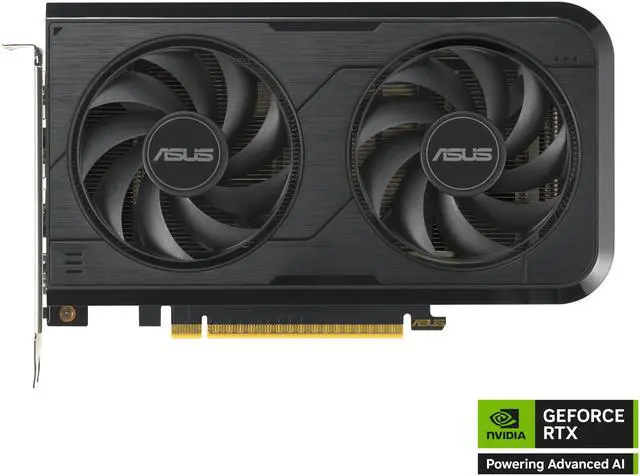
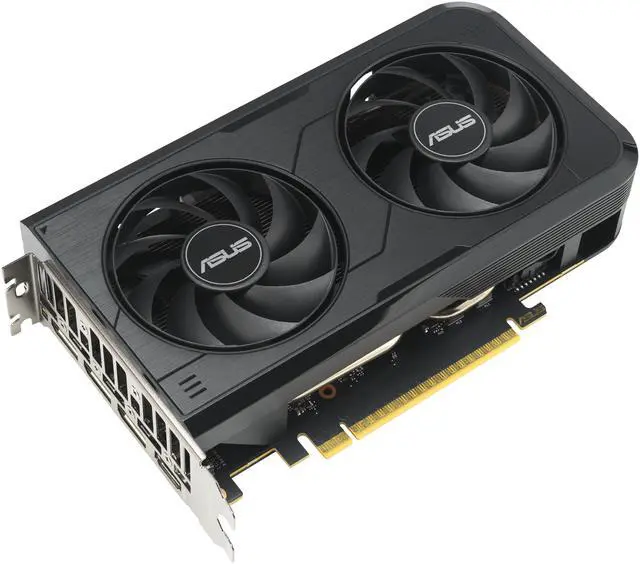
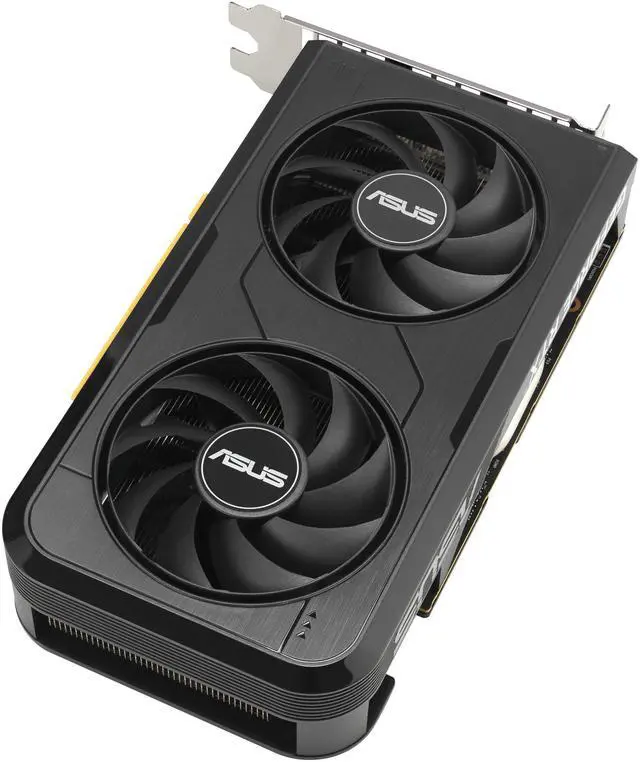
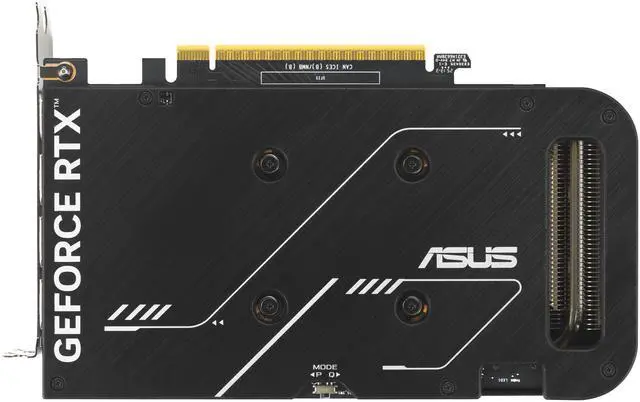
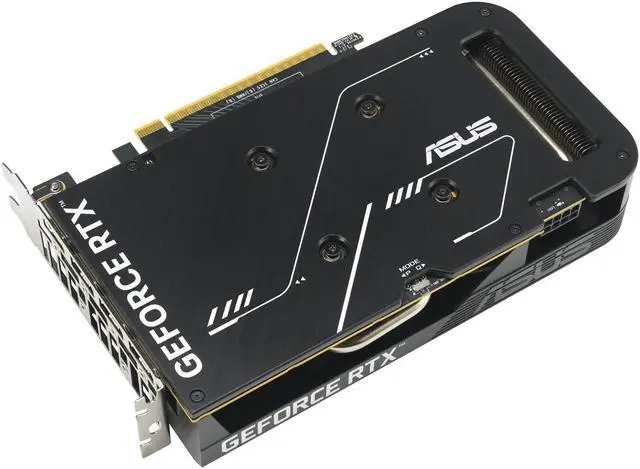
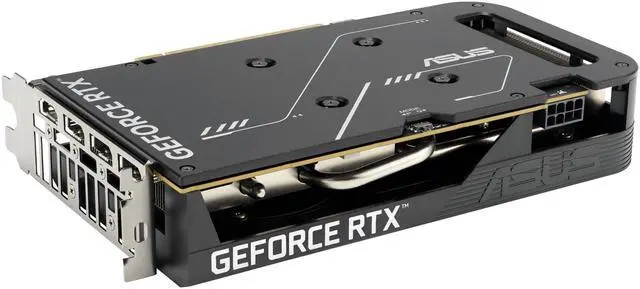
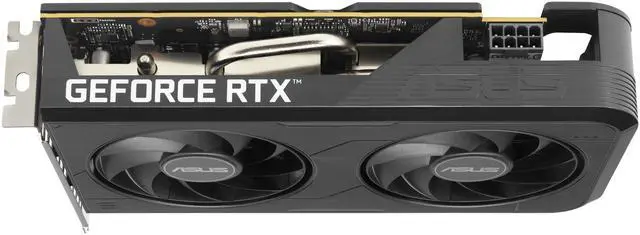
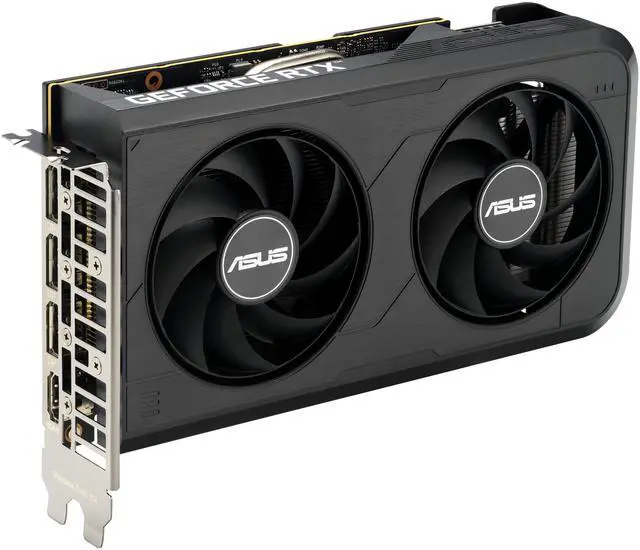
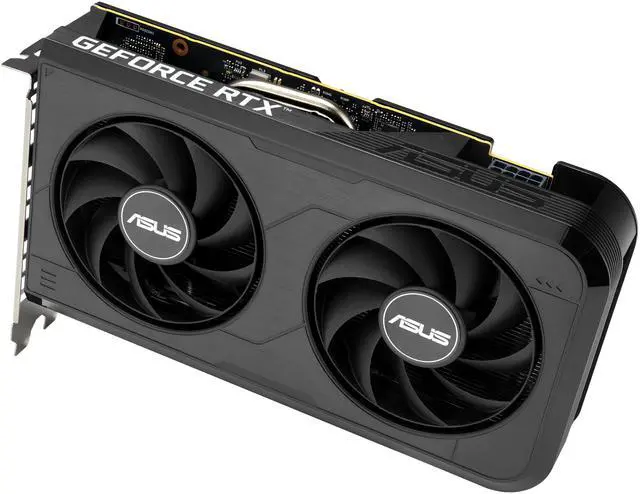
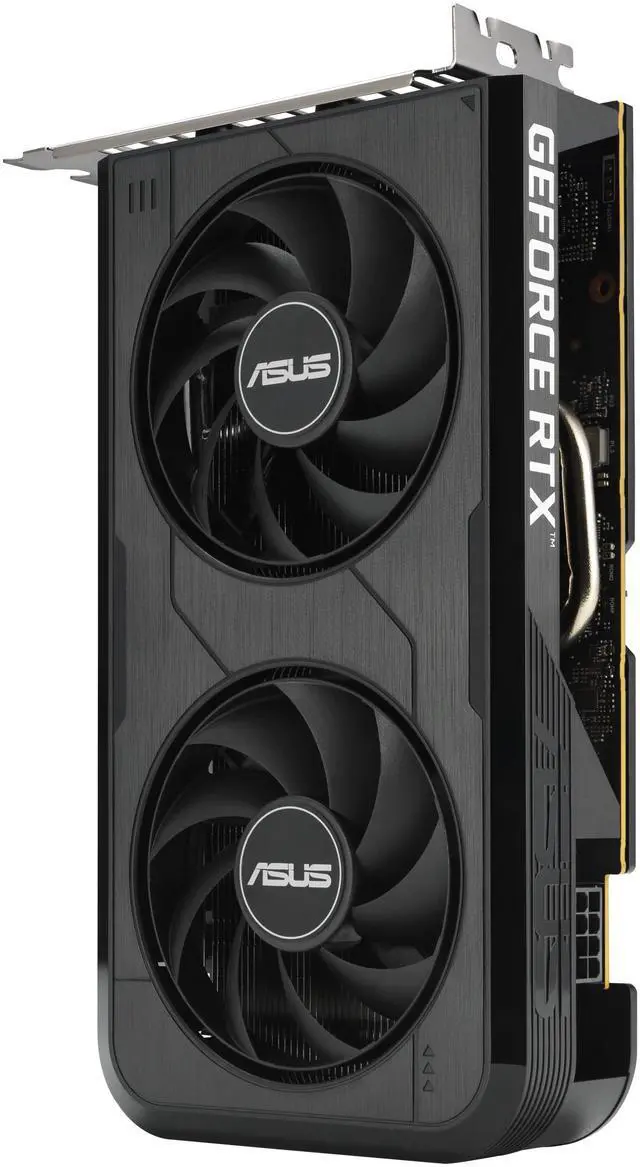
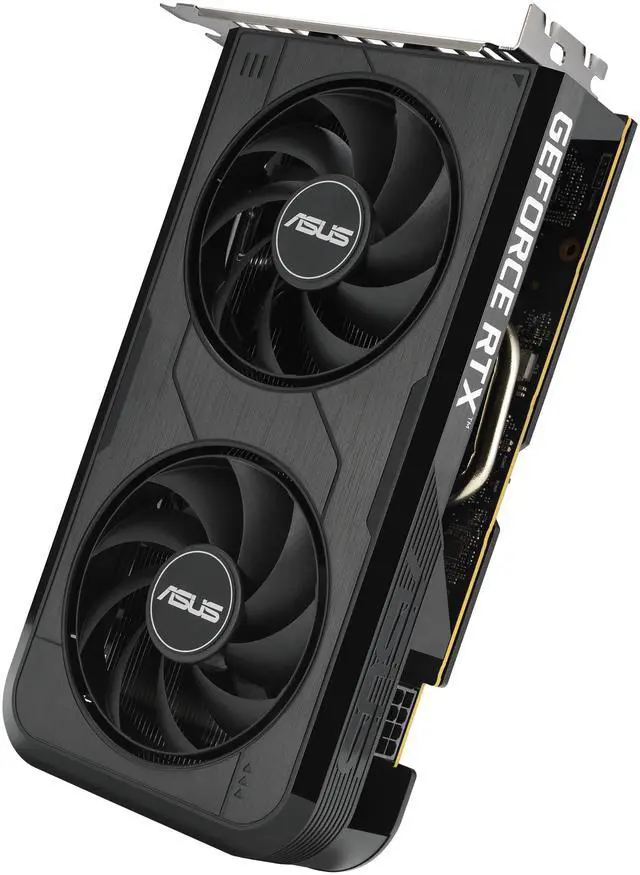
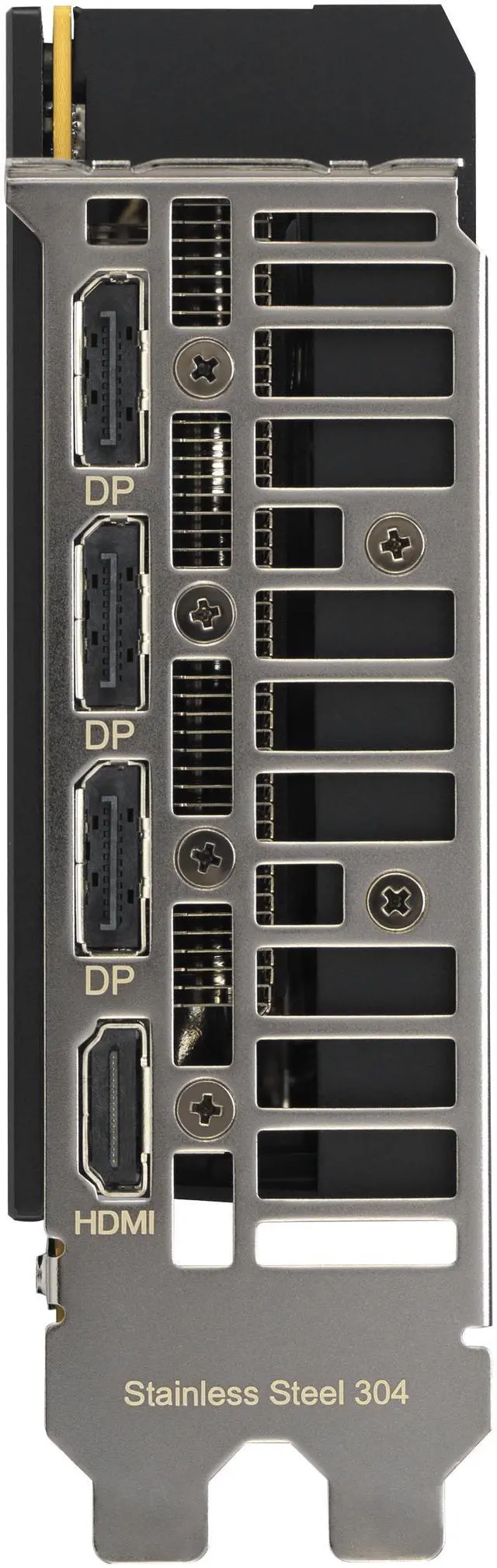
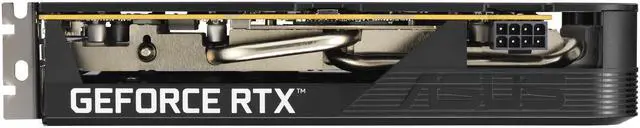
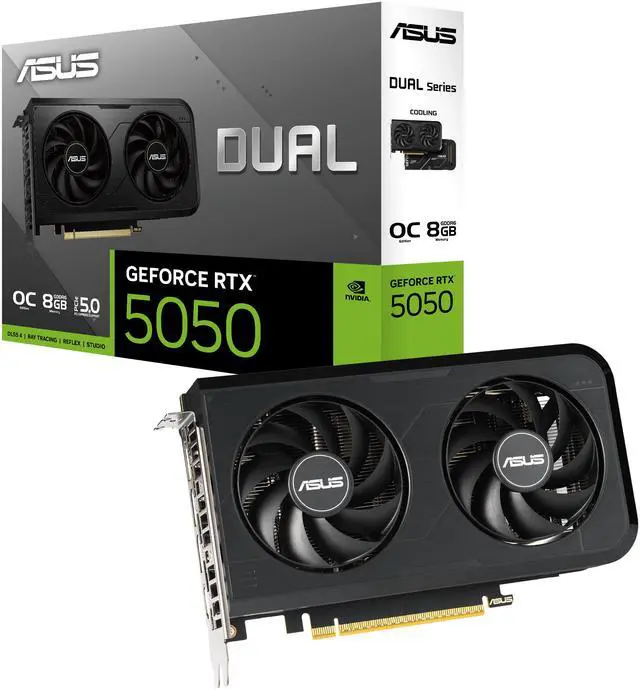
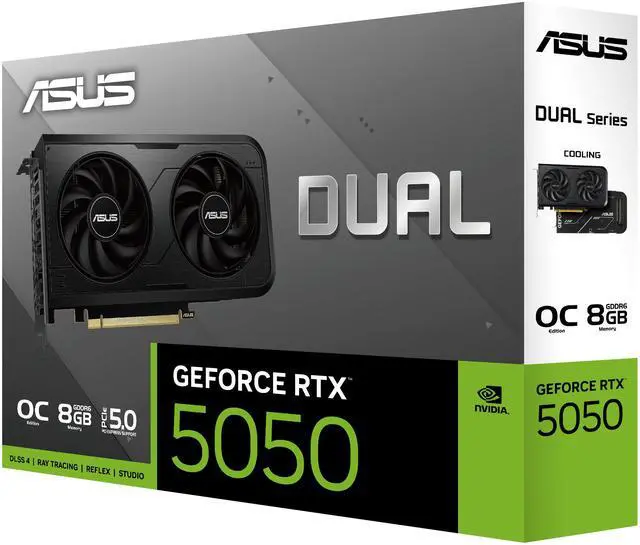


ASUS Dual GeForce RTX 5050 8GB GDDR6 OC Edition, DUAL-RTX5050-O8G
- 8GB 128-Bit GDDR6
- Boost Clock OC mode: 2677MHz Default mode: 2647MHz (Boost Clock)
- 1 x HDMI 2.1b 3 x DisplayPort 2.1b
- 2560 CUDA Cores
- PCI Express 5.0 x8
+
+
Overview
Specs
Reviews
ASUS Dual GeForce RTX 5050 combines powerful thermal performance with broad compatibility. Advanced cooling solutions from flagship graphics cards - including two Axial-tech fans for optimizing airflow to the heatsink.
Warranty & Returns
Warranty, Returns, And Additional Information
Warranty
- Limited Warranty period (parts): 3 years
- Limited Warranty period (labor): 3 years
- Read full details
Return Policies
- Return for refund until: January 31, 2027
- Return for replacement until: January 31, 2027
- This item is covered by Newegg.ca's Extended Holiday Return Policy.
- 15% restocking fee may apply.
- Read full return policy for details.
We want to ensure your holiday shopping this year is hassle-free. That’s why we’re automatically extending our return policies on almost every product! For purchases placed between November 1st, 2026 and December 31, 2026 you will have until January 31, 2027 to return your product.
Manufacturer Contact Info
- Manufacturer Product Page
- Manufacturer Website
- Support Phone: 1-510-739-3777
- Support Website
- View other products from ASUS
LOADING...
LOADING...
The ASUS Dual GeForce RTX 5050 O8G is a compact 8GB GDDR6 graphics card built for mainstream gaming and everyday creator workloads, making it a strong fit for users who want modern display support, RTX 50 Series features, and easy compatibility in standard desktop builds.
Recommended For
- 1080p gamers building a compact mid-tower PC who want a current-generation Nvidia card for high settings in esports and tuned settings in newer AAA games, especially if they plan to use DLSS and Frame Generation where supported.
- Buyers replacing an older GTX- or RTX-class card in a mainstream desktop who care about low fuss installation: short 203 mm length, dual-slot cooling, single 8-pin power, and a 550 W recommended PSU make it a practical fit for many existing systems.
- Users who prioritize a quieter, smaller aftermarket model over maximum GPU size or triple-fan cooling, such as home office gamers or shared-space PC users who want lower noise from a basic 1080p gaming rig.
- Entry-level creators and streamers whose work is light to moderate GPU-assisted editing, capture, or multi-monitor use, and who value modern display outputs and Nvidia platform support more than large VRAM capacity.
Real-World Use Scenarios
- 1080p PC gaming is the main fit: in popular esports and many current AAA games, users can usually target smooth play at medium to high settings, while heavier titles often benefit from DLSS or reduced texture settings to stay consistent on an 8GB card.
- DLSS and Frame Generation are often what make demanding games feel practical on this class of GPU: users trying to play newer single-player titles at 1080p with ray tracing or higher presets will usually get a noticeably better experience with upscaling enabled than at native settings.
- Compact mid-tower and many smaller ATX builds are a realistic use case: buyers upgrading an older system and needing a shorter dual-fan card are likely to have an easier install than with longer triple-fan GPUs, while still keeping standard 8-pin power requirements.
- 1440p is usually a selective, settings-managed scenario rather than the default target: users moving up from 1080p can expect playable results in lighter or well-optimized games, but many newer AAA games will need DLSS, lower settings, or both to avoid VRAM-related drops.
- Multi-monitor desktop use is a practical non-gaming scenario: users running two to four displays for work, streaming, browsing, or a mixed work-and-play setup should have no trouble driving several modern monitors, with gaming performance still centered on one main display.
- Video playback enhancement and everyday creator tasks are a secondary fit: users editing lighter projects, recording gameplay, or improving streamed video quality can use NVIDIA’s media and AI features, but this card is better suited to mainstream workflows than heavy 4K production jobs.
Spec Summary
| Attribute | Value |
|---|---|
| Best For | Desktop users who want an NVIDIA GeForce RTX 5050 with 8GB GDDR6 for high‑resolution gaming, multi‑monitor (up to 4) and VR on a standard ATX desktop with a recommended 550W PSU and an 8‑pin power connector |
| Model Identifiers | ASUS Dual series — DUAL-RTX5050-O8G (part number 90YV0N72-M0AA00) |
| GPU And Cores | NVIDIA GeForce RTX 5050 (RTX 50 Series) GPU with 2688 CUDA cores |
| Clock Speeds | Core clocks — OC mode 2677 MHz; Default (Boost) 2647 MHz; effective memory clock 20 Gbps |
| Memory Configuration | 8GB GDDR6 on a 128‑bit memory bus with 20 Gbps effective memory clock |
| Interface And Expansion | PCI Express 5.0 x8 interface (fits in a x16 slot), 2‑slot card, ATX form factor |
| Display Outputs And Resolution | 1 × HDMI 2.1b and 3 × DisplayPort 2.1b; supports up to 7680 x 4320 resolution and up to 4 simultaneous displays |
| Cooling And Fans | Dual-fan (double fans) cooling solution with 2 fans |
| Power And Requirements | Requires a single 8‑pin power connector; recommended system PSU 550W |
| Dimensions And Weight | Card dimensions 203 × 120.2 × 40 mm (7.99 × 4.73 × 1.58 in); max GPU length 203 mm; item weight 1.1 lb; package weight 0.83 kg; package dimensions 5.588 L × 21.8948 W × 30.4038 H cm |
| Compatibility And Features | Supports DirectX 12 Ultimate and OpenGL 4.6; HDCP ready; no CrossFireX/SLI support; intended for desktop PCs and listed as VR ready |
| Package Contents | Includes the graphics card, a speedsetup manual and a thank you card; sold as a single unit |
| Regulatory & Safety | California Proposition 65 warning (on product — cancer) |
Reference Q&A
Q: Should I buy the ASUS Dual RTX 5050 or an RTX 4060 for 1080p gaming?
A: Choose the ASUS Dual RTX 5050 if pricing is close and you want NVIDIA's newer Blackwell feature set, including DLSS 4.x support and newer media/AI capabilities. Across multiple reviews and user tests, RTX 5050 gaming performance is generally very close to RTX 4060 at 1080p, so the decision usually comes down to feature preference and street price rather than a large FPS gap. Choose RTX 4060 instead when it is meaningfully cheaper, because real-world gaming results are often similar.
Q: Is the ASUS Dual RTX 5050 worth it over an RX 7600?
A: Pick the ASUS Dual RTX 5050 when you value NVIDIA features more than a small raster-performance difference. Review coverage commonly shows RTX 5050 and RX 7600 landing in the same overall class, with some testing giving RX 7600 a slight lead in traditional 1080p rendering while RTX 5050 answers back with newer DLSS support, stronger NVIDIA software features, and newer platform positioning. If your priority is native-FPS value alone, RX 7600 can still make sense when it is cheaper.
Q: Should I step up from the ASUS Dual RTX 5050 to an RTX 5060 or similar higher-tier card?
A: Move up from the ASUS Dual RTX 5050 if you want a more comfortable path to higher settings, heavier ray tracing, or longer-term 1440p use. Multiple professional reviews position RTX 5050 as a 1080p-focused card, and they note that spending more on the next tier often delivers a clearly larger performance jump than the price increase suggests. Stay with RTX 5050 when your target is efficient 1080p gaming, a shorter card, and a lower total build cost.
Q: Is the ASUS Dual RTX 5050 a good upgrade from older cards like RTX 3050 or GTX-class GPUs?
A: Yes, the ASUS Dual RTX 5050 is a practical upgrade if you are moving from entry-level Ampere or older GTX-era cards and want modern 1080p gaming plus current NVIDIA features. Professional reviews describe RTX 5050 as a meaningful step forward for buyers coming from much older mainstream GPUs, especially because it combines better baseline performance with current-generation upscaling, frame-generation support, AV1-era media features, and better support for new game requirements. It is a more incremental move from RTX 4060-class hardware, but a more noticeable one from RTX 3050-class hardware and below.
Q: Should I choose this ASUS Dual RTX 5050 for a compact build or buy a larger, higher-performance GPU instead?
A: Choose the ASUS Dual RTX 5050 for a compact or lower-wattage build when size, airflow, and PSU flexibility matter. This ASUS card is short for a modern dual-fan GPU at 203 mm and uses a single 8-pin power connector with a 550 W recommended PSU, which makes it easier to fit into smaller mainstream cases than many larger midrange cards. A bigger GPU is the better choice when your case and power budget can support it and you want clearly more headroom for 1440p gaming or heavier ray tracing.
Q: Will this ASUS Dual RTX 5050 fit in a small or compact PC case?
A: Usually yes, but you should still measure your case first. This card is 203 mm long and 2 slots thick, which makes it relatively short for a full-size desktop GPU. It is easier to fit than many larger triple-fan cards, but it is not a low-profile model and does not include a low-profile bracket, so it is not meant for slim SFF or half-height systems.
Q: Will this RTX 5050 work with an older motherboard or PCIe 4.0/3.0 system?
A: In most cases, yes. Graphics cards are generally backward compatible with older PCIe slots, so the card should work in many PCIe 4.0 and PCIe 3.0 systems if the motherboard BIOS and physical slot support modern GPUs. The trade-off is that this model uses a PCIe 5.0 x8 interface, so older platforms may not deliver full bandwidth, which can slightly reduce performance in some workloads.
Q: Is an 8GB RTX 5050 a good choice for 1080p gaming, and who is it best for?
A: Yes for mainstream 1080p gaming, especially if you want a compact, simpler dual-fan card rather than a larger premium model. An 8GB card in this class is typically best for esports, lighter AAA settings, and general-purpose gaming builds. It is less ideal for buyers targeting heavy 1440p/4K gaming, large texture packs, or longer-term VRAM headroom.
Q: What are the main trade-offs versus stepping up to a higher-tier GPU?
A: The main advantages of this card are its shorter 203 mm size, 2-slot design, single 8-pin power requirement, and 550W recommended PSU target. The trade-off is performance and headroom: higher-tier GPUs usually offer more VRAM, wider memory bandwidth, and stronger performance for 1440p, 4K, or heavier creator workloads. This ASUS Dual RTX 5050 makes more sense for smaller, lower-power, value-focused builds than for buyers chasing maximum longevity or high-end settings.
Q: Is the ASUS Dual RTX 5050 a good buy for 1080p gaming?
A: It is mainly a 1080p entry-level card. It makes the most sense if you want a compact new GPU for mainstream 1080p play, modest power requirements, and NVIDIA features, but it is a weaker value if the price is close to faster alternatives. The main trade-off discussed repeatedly is that 8GB of GDDR6 is workable for 1080p, but less attractive for newer, heavier games and long-term headroom.
Q: Who is this ASUS Dual RTX 5050 best suited for?
A: It is best suited for buyers who want a smaller, straightforward 2-slot card for an everyday desktop or budget gaming build. Its 203 mm length, dual-fan cooler, single 8-pin power connector, and 550W recommended PSU make it easier to fit than larger cards. It is less suitable for buyers targeting higher-end 1440p gaming or those prioritizing maximum longevity per dollar.
Q: What are the main trade-offs of choosing this card instead of spending more on a higher model?
A: The main trade-offs are memory class, performance ceiling, and value. This card uses 8GB of GDDR6 on a 128-bit bus and a PCIe 5.0 x8 interface, which is enough for mainstream use but leaves less margin for newer games and higher settings than faster cards above it. Repeated discussion around the RTX 5050 focuses on it being acceptable at the right price, but harder to recommend when a step-up model is only modestly more expensive.
Q: Is 8GB of VRAM enough on this card?
A: For typical 1080p gaming, 8GB is still usable on a card in this class, but it is one of the most common concerns in community discussion. It is generally fine for lighter or well-optimized games, yet it gives less headroom for newer titles, higher texture settings, and longer-term use. If VRAM capacity is a top priority, this model is a trade-off rather than a clear advantage.
Q: Is this ASUS Dual version mainly about performance, or about size, noise, and simplicity?
A: This specific ASUS Dual version is more of a practical form-factor choice than a category-changing performance upgrade. Its most decision-relevant features are the short 203 mm length, 2-slot design, dual-fan cooling, and standard 8-pin power input. If you want a compact, simple RTX 5050 from a mainstream brand, it fits that role well; if you are shopping mainly for the best performance-per-dollar, the GPU tier matters more than this cooler variant.