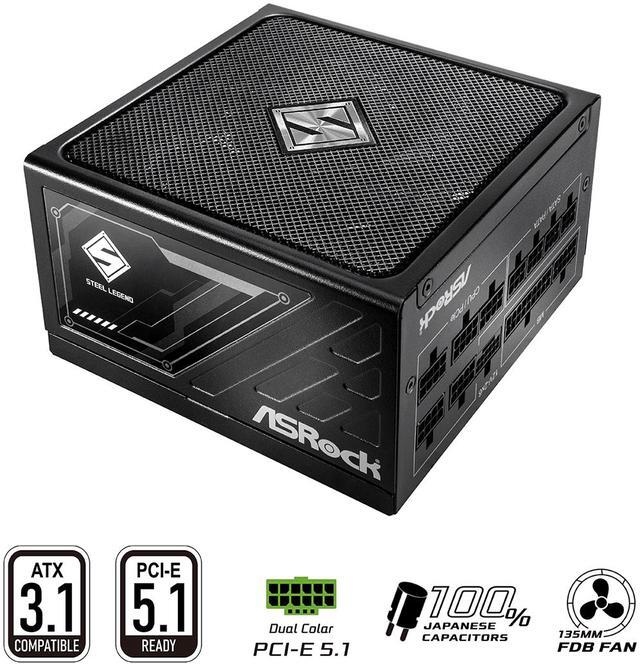
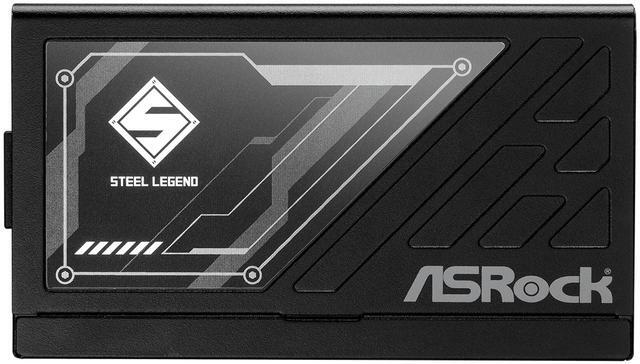
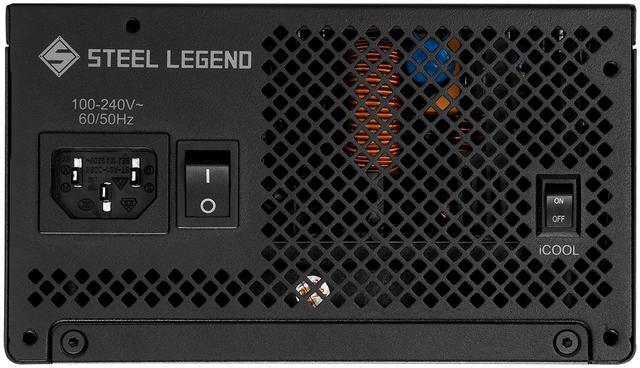
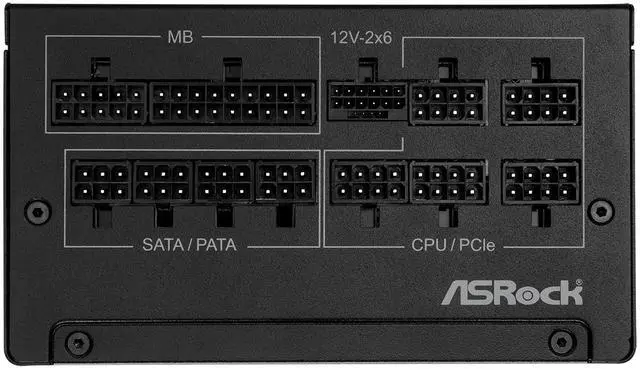
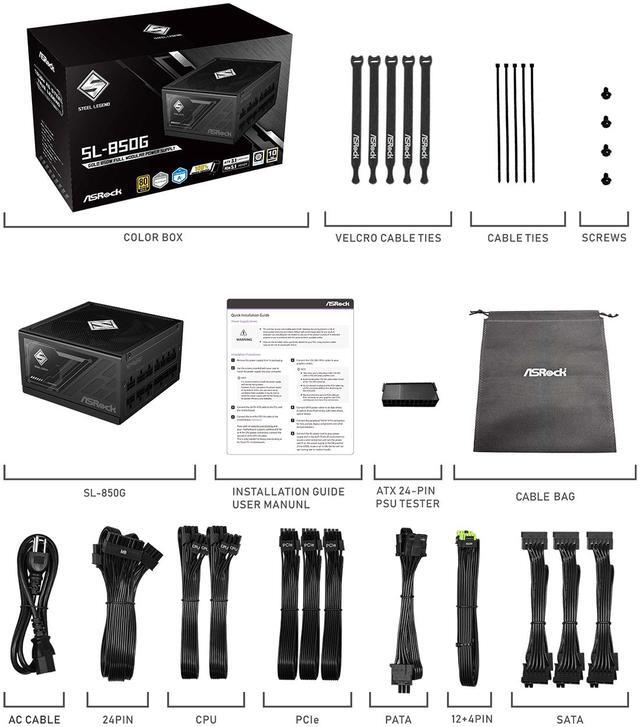
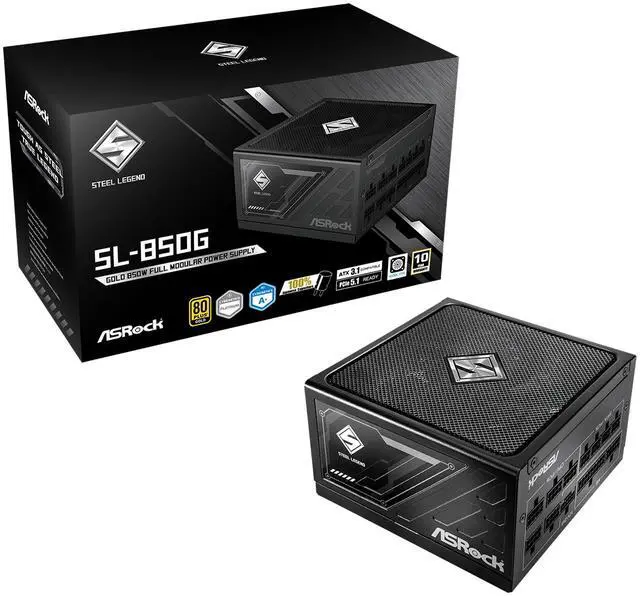
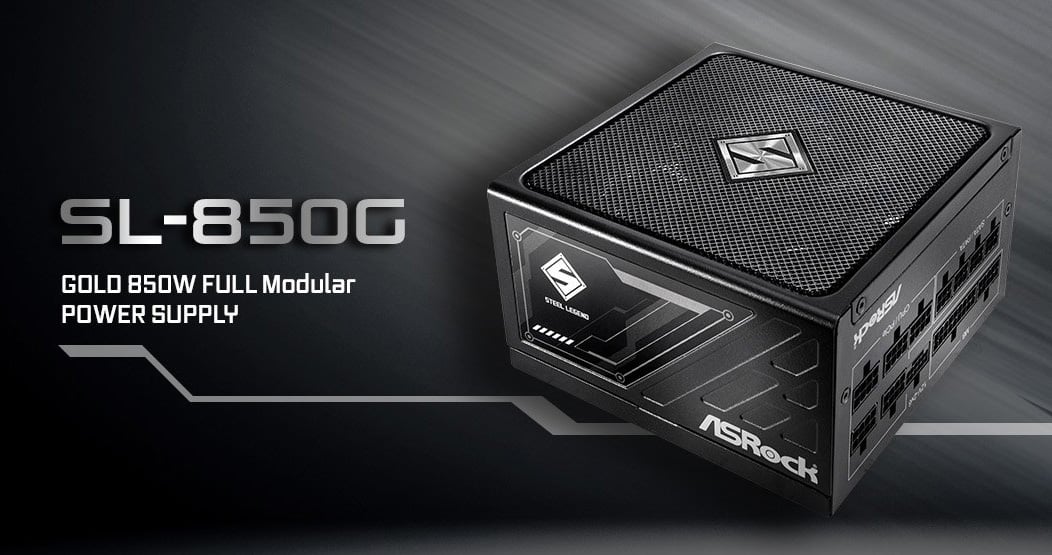
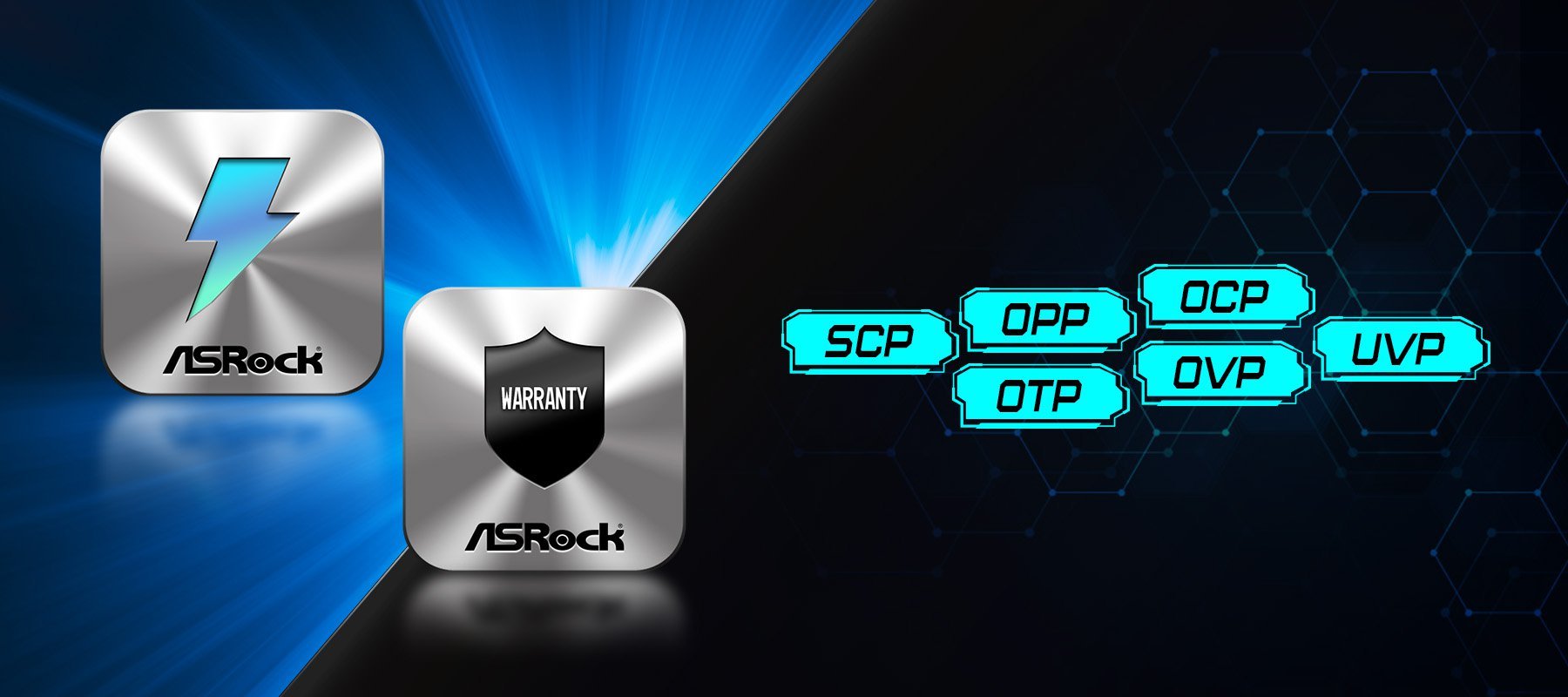
The ASRock Steel Legend SL-850G is an 850W fully modular ATX 3.1 power supply built for modern gaming and performance PCs that need native 12V-2x6 GPU support, efficient operation, and long-term reliability.
Recommended For
- Builders pairing a modern mid-high-end GPU with an ATX 3.1 system who want a native 12V-2x6 cable instead of relying on adapters.
- PC builders who care about a clean cable layout in a tempered-glass build and specifically want a fully modular 850W PSU with straightforward cable management.
- Users upgrading to a Ryzen 7 / Ryzen 9 or Core i7 / i9 gaming system with an RTX 4070 Ti Super, RTX 4080-class, or similar GPU and aiming for one PSU that leaves headroom for future parts.
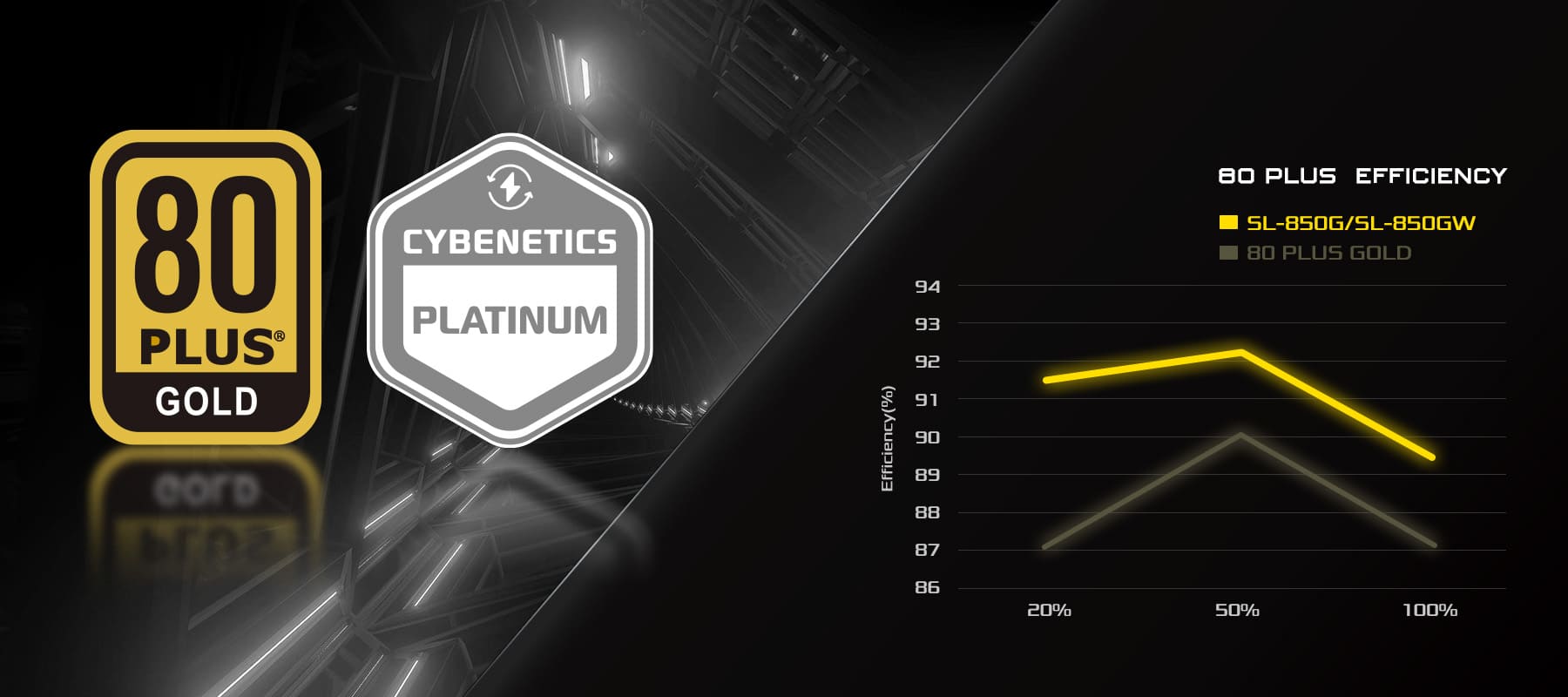
- Value-focused enthusiasts comparing mainstream 850W Gold units and looking for stronger real efficiency/noise results than the basic 80 Plus label suggests.
- Buyers who prioritize low operating noise for a gaming or work-from-home tower and are intentionally shopping for an A+ noise-rated PSU.
Real-World Use Scenarios
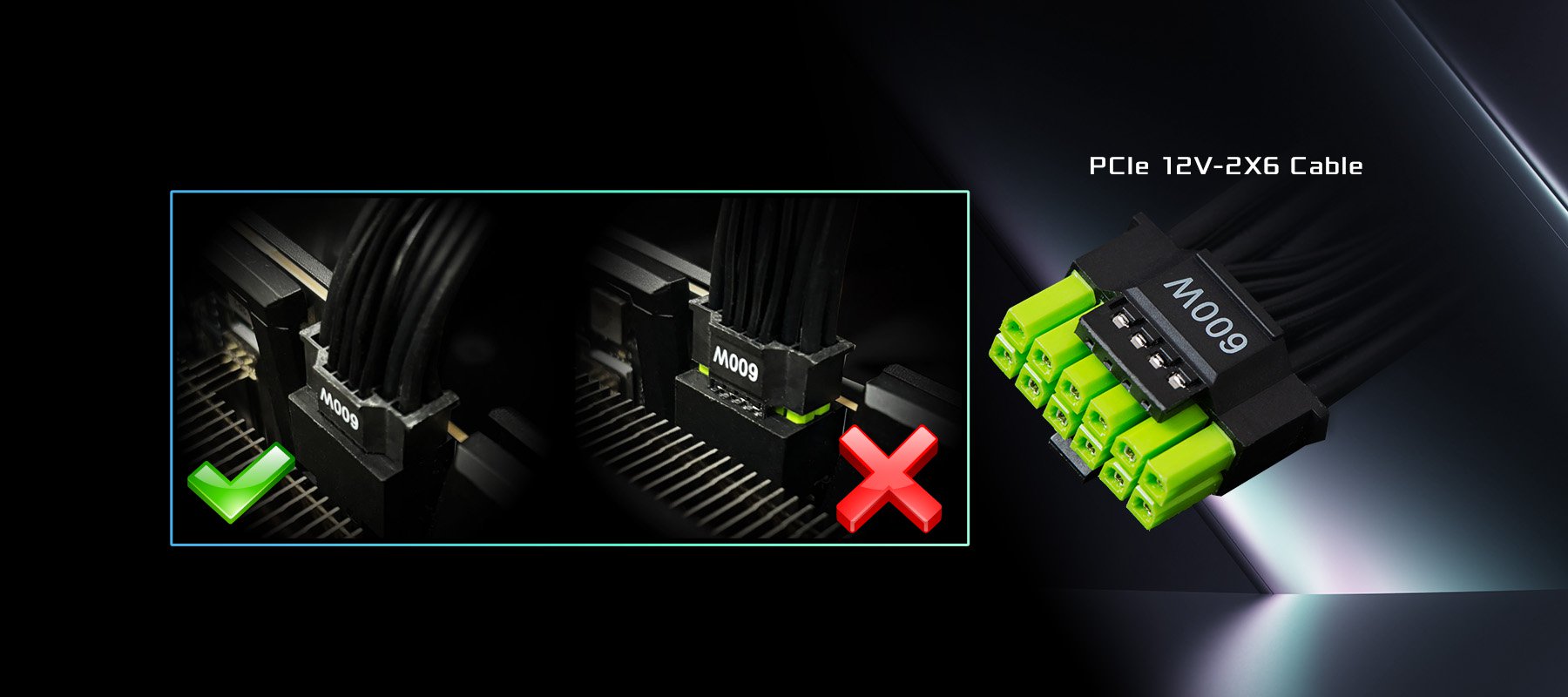
- Building a mainstream gaming PC with one high-end graphics card, the user wants a PSU that connects cleanly to newer GPUs without adapters; in practice, the native 12V-2x6 cable and ATX 3.1 support make installation more straightforward and reduce cable clutter in current-gen builds.
- Putting together a 1440p or 4K gaming system, the user wants stable everyday power delivery rather than chasing PSU headroom they will not use; real-world feedback and review coverage suggest this class of 850W unit fits single-GPU gaming builds comfortably while leaving room for modern CPU and GPU combinations.
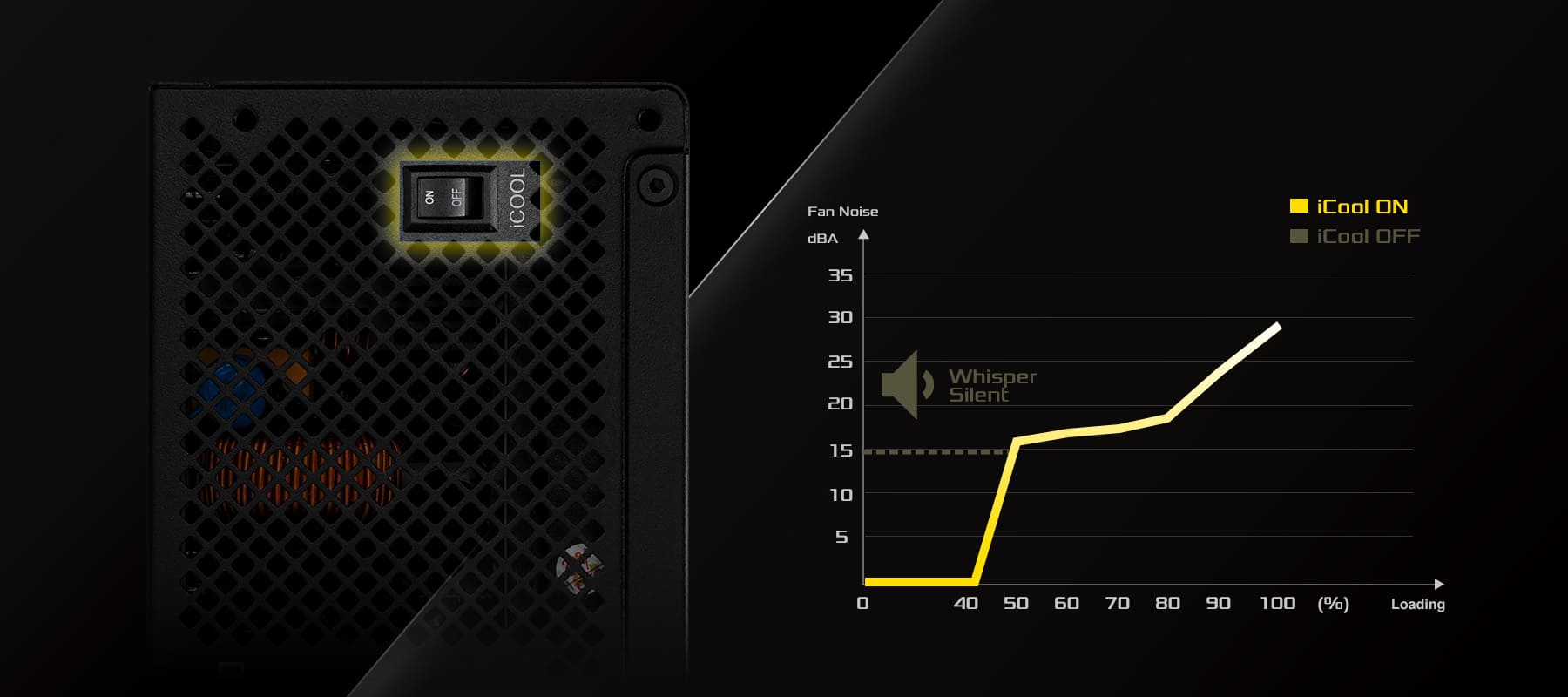
- For a quieter desktop used for gaming, school, or work, the user wants the PC to stay unobtrusive when web browsing or handling lighter loads; the semi-passive fan mode and low-noise test results point to a system that is often quiet at idle and during less demanding sessions.
- When assembling a clean-looking mid-tower build, the user is trying to avoid unused cables blocking airflow or making cable management harder; the fully modular layout makes it easier to install only the leads needed and keep the build neater.
- Upgrading from an older ATX power supply, the user wants something that will cover a current build now and remain usable through a later GPU refresh; in practice, buyers are using this model as a forward-compatible replacement because it already includes newer power standards and a long warranty period.
Spec Summary
| Attribute | Value |
|---|
| Best For | Builders of ATX3.1/PCIe5.1-capable desktop systems who need an 850W, fully modular power supply with multiple PCIe power connectors |
|---|
| Model Identifiers | ASRock SL-850G (Steel Legend / 850G) |
|---|
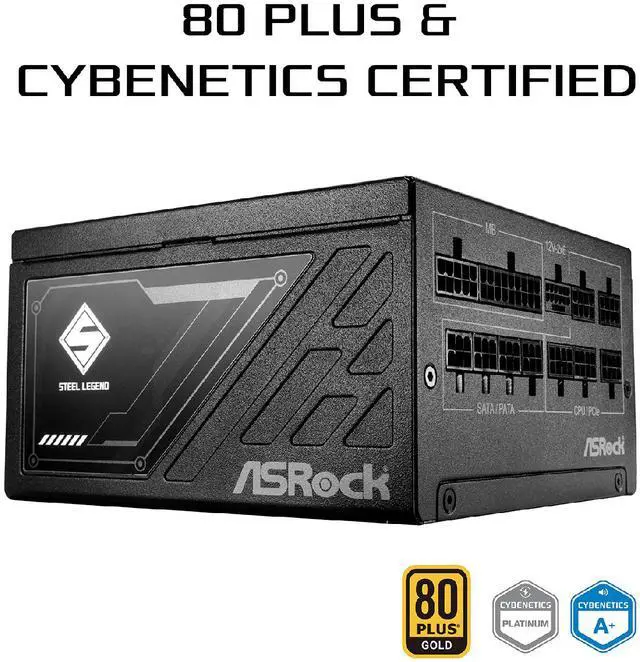
| Power And Efficiency | 850 W output with Cybenetics Titanium efficiency classification; AC input range 110–240 V |
|---|
| Connectors And Cables | Full-modular cabling with ATX main connector and 6+2-pin PCIe power plugs; connector counts reported as 10 total and PSU-specific quantity 3 |
|---|
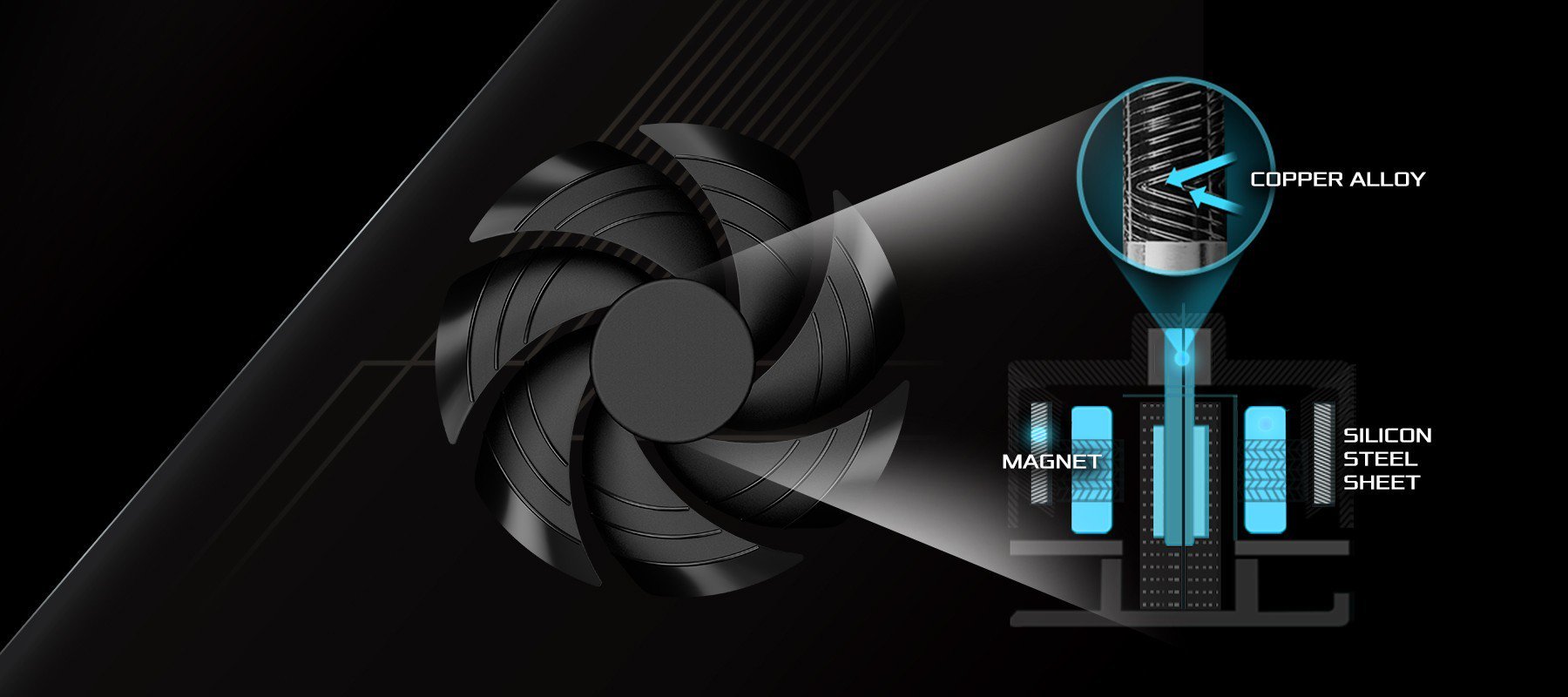
| Cooling And Noise | Single 135mm striped axial FDB fan (fan-cooled); Cybenetics A+ noise classification |
|---|
| Form Factor And Compatibility | ATX3.1 form factor and PCIe5.1-ready design, compatible with personal computers |
|---|
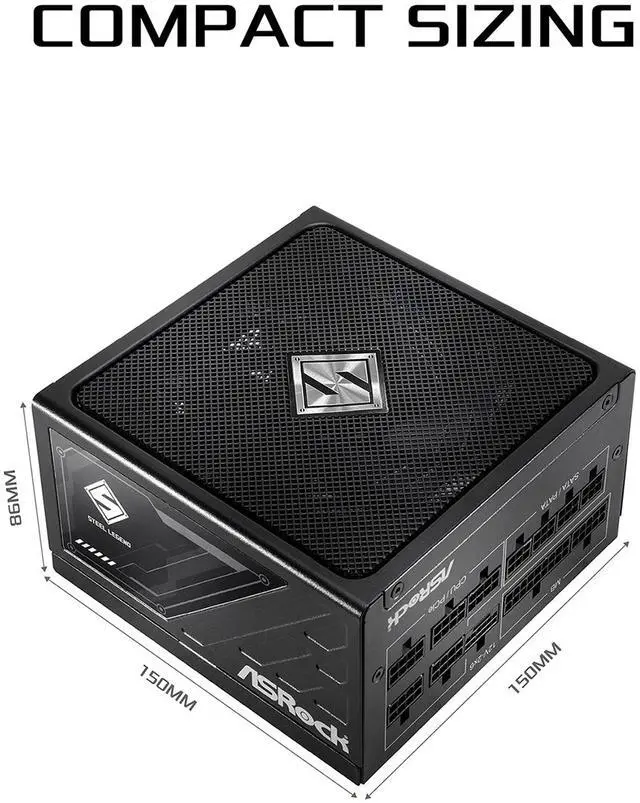
| Physical Dimensions & Weight | Unit dimensions 15 x 15 x 8.6 cm; package dimensions 13.208 x 18.796 x 30.8102 cm; package weight 2.98 kg |
|---|
| Package Quantity | Sold as a single unit (package quantity 1) |
|---|
Reference Q&A
Q: Should I buy the ASRock SL-850G or a Corsair RM850x Shift for an 850W ATX 3.1 build?
A: Choose the ASRock SL-850G if you want a standard front-facing modular layout, native 12V-2x6 support, very strong published efficiency/noise credentials, and a 10-year warranty in a mainstream 850W PSU. Choose the Corsair RM850x Shift if your case specifically benefits from side-mounted connectors and you want Corsair's cable-routing approach. In practice, both target modern high-end gaming systems, but the main trade-off is layout: ASRock is the more conventional fit, while the RM850x Shift is the more case-dependent option.
Q: Is the ASRock SL-850G a better buy than a typical 750W PSU?
A: The ASRock SL-850G is the better choice when you want more upgrade headroom for newer GPUs, especially builds that may move into RTX 4080-class or RTX 4090-class territory, or when you specifically want an ATX 3.1 unit with a native 12V-2x6 cable. A 750W PSU is still the more sensible choice for systems with lower GPU power demand, such as many RTX 4070 or RTX 4080-class builds that will stay fixed long term. The trade-off is simple: 750W can be enough today, while 850W gives more margin for transient loads and future GPU upgrades.
Q: Should I choose the ASRock SL-850G or step up to a 1000W PSU?
A: Choose the ASRock SL-850G for a single-GPU gaming or creator PC where 850W already covers the planned parts list. Step up to 1000W if you are pairing a very high-draw GPU with a top-tier CPU, want more thermal and acoustic headroom under sustained heavy load, or are buying specifically for a later GPU upgrade. The trade-off is not that 1000W is automatically better; it is mainly about reserve capacity. For most modern high-end single-GPU systems, 850W is the more balanced point, while 1000W makes more sense for power-hungry or upgrade-heavy builds.
Q: Is the ASRock SL-850G worth choosing over an older ATX 2.x 850W PSU?
A: Yes, the ASRock SL-850G is the more current choice if you are building around newer graphics cards or want native support for today's PSU and GPU standards. Its ATX 3.1 and PCIe 5.1 positioning, plus native 12V-2x6 cabling, make it a cleaner fit for modern GPUs than many older 850W designs that rely on adapters. An older ATX 2.x 850W PSU can still be appropriate if you already own a proven high-quality unit and are not changing to hardware that benefits from the newer connector and transient-load standard.
Q: How does the ASRock SL-850G compare with the MSI MAG A850GL for a value-focused 850W build?
A: Choose the ASRock SL-850G if you want an ATX 3.1-positioned unit with published Cybenetics Platinum efficiency and A+ noise claims, plus a dual-color 12V-2x6 cable and 10-year warranty. Choose the MSI MAG A850GL if you want a compact, established alternative that is widely discussed in builder communities and reviewed by PSU specialists. The practical trade-off is that ASRock looks stronger on official certification messaging and newer standard alignment, while MSI has had broader third-party discussion and review coverage in the market.
Q: Is the ASRock SL-850G a good fit for a modern gaming PC with an RTX 40 or similar next-gen GPU?
A: Yes. It is a strong fit for a modern single-GPU gaming build because it is an 850W ATX 3.1 power supply with native PCIe 5.1 / 12V-2x6 support, which is the main compatibility question buyers repeatedly ask on retail Q&A pages. It is best suited to mid-high to high-end systems that want current GPU power support without moving up to a larger 1000W class PSU.
Q: Is this power supply fully modular, and does that matter for most builders?
A: Yes. The SL-850G is fully modular, which makes cable management easier and usually reduces unused cabling inside the case. That matters most for builders who want a cleaner first build, easier upgrades, or better airflow. If you do not care about cable clutter, a cheaper semi-modular unit can still be a practical alternative.
Q: Is the ASRock SL-850G a good choice if I want a quiet PSU?
A: Yes, it appears well suited for quiet builds. ASRock lists Cybenetics Lambda A+ noise certification, a 135mm FDB fan, and a semi-passive fan mode that keeps the fan off at lower to medium loads. The trade-off is that if you prefer constant airflow instead of lower idle noise, you may want to leave the fan-control mode off.
Q: Who is the ASRock SL-850G most suitable for, and who should skip it?
A: It is most suitable for buyers building a mainstream-to-high-end desktop that needs modern GPU compatibility, full modular cables, and a long warranty. It is less suitable for budget builds that do not need ATX 3.1 or native 12V-2x6, and it may be unnecessary for lower-power systems that could use a good 650W or 750W unit instead.
Q: What are the main trade-offs versus another 850W Gold ATX 3.1 PSU from Corsair, MSI, or Cooler Master?
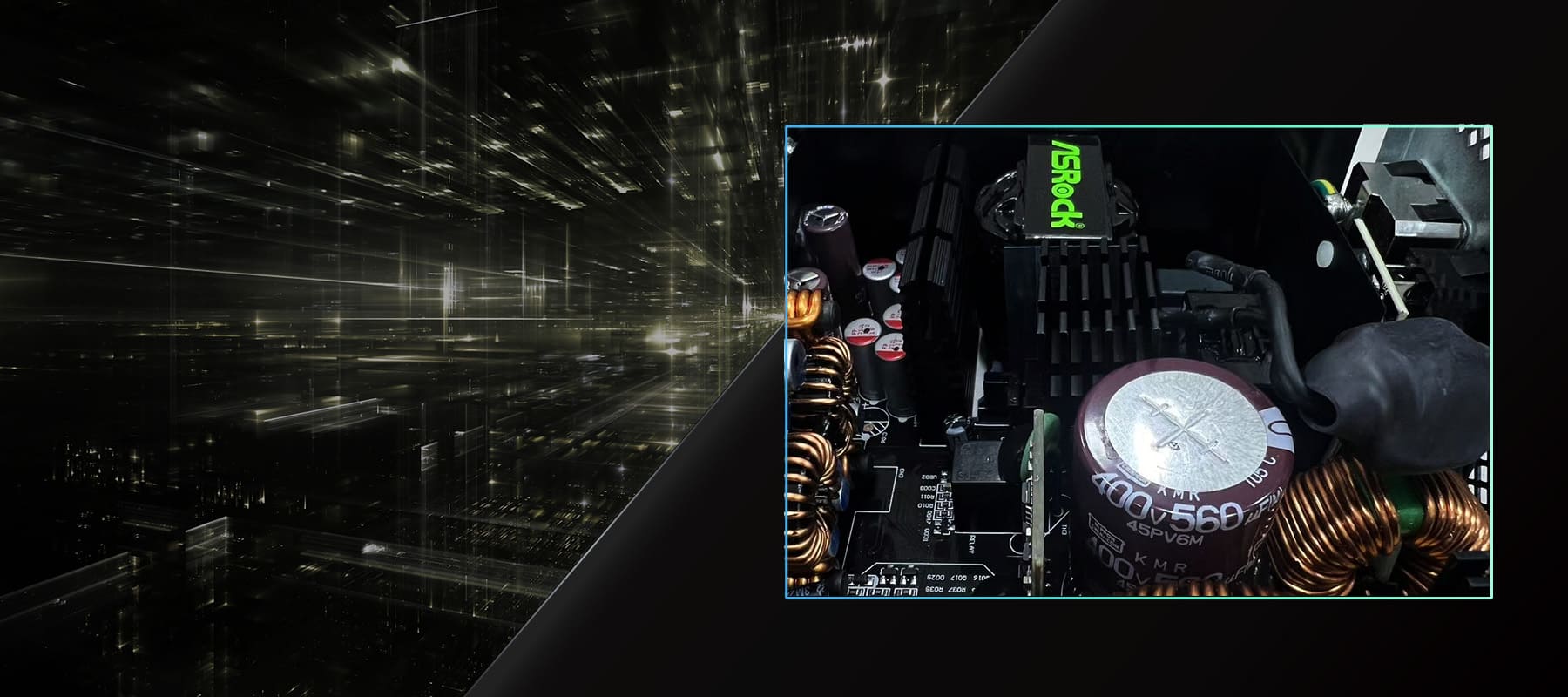
A: The SL-850G is most appealing if you value current connector support, quiet-operation features, Japanese capacitors, and a 10-year warranty. The main trade-off is that competing 850W Gold units from larger PSU-focused brands may offer wider long-term market familiarity, while cheaper alternatives may give up some acoustic tuning, cabling features, or premium component claims to hit a lower price.
Q: Is the ASRock SL-850G worth buying over better-known 850W PSUs?
A: It is mainly a value pick. Reddit discussions around the SL-850G repeatedly compare it to Corsair, MSI, and other established 850W units, usually when the ASRock model is priced lower. Based on the product data, it offers the core features buyers look for in a current 850W PSU: ATX 3.1 support, native 12V-2x6, full modular cabling, Japanese capacitors, quiet-noise certification, and a 10-year warranty. It makes the most sense if it is meaningfully cheaper than top-tier alternatives. If pricing is similar, some buyers may still prefer longer-established PSU brands.
Q: Who is the ASRock SL-850G a good fit for?
A: It is best suited for mainstream to high-performance gaming or productivity PCs that need a modern 850W ATX PSU with native support for newer GPUs. The repeated Reddit context is builders pairing it with current mid-high and high-end parts and considering it for fresh builds rather than legacy upgrades. It is a practical fit for users who want ATX 3.1, PCIe 5.1 readiness, fully modular cables, and a native 12V-2x6 connector without moving to a higher wattage class.
Q: What are the main trade-offs of choosing the ASRock SL-850G?
A: The main trade-off is confidence and track record versus feature set. On paper, the SL-850G is strong for its class: 850W, ATX 3.1, PCIe 5.1, full modular design, Cybenetics efficiency and noise certifications, and a 10-year warranty. The hesitation seen in Reddit threads is less about missing features and more about ASRock being less proven in power supplies than long-established PSU brands. Buyers who prioritize proven brand history may choose Corsair, Seasonic, or MSI instead, while buyers focused on features-per-dollar may find the ASRock more compelling.
Q: Is the ASRock SL-850G a sensible choice for a modern GPU build with a native 12V-2x6 cable?
A: Yes, if your build is in the 850W range, it is a sensible modern option. One repeated decision theme in Reddit build threads is whether to buy an older-style PSU with adapters or a newer ATX 3.1 unit with a native cable. The SL-850G directly addresses that concern with native 12V-2x6 support and PCIe 5.1 readiness, which can simplify cable management and avoid relying on bundled adapters. The remaining decision is less about compatibility and more about price and brand preference.