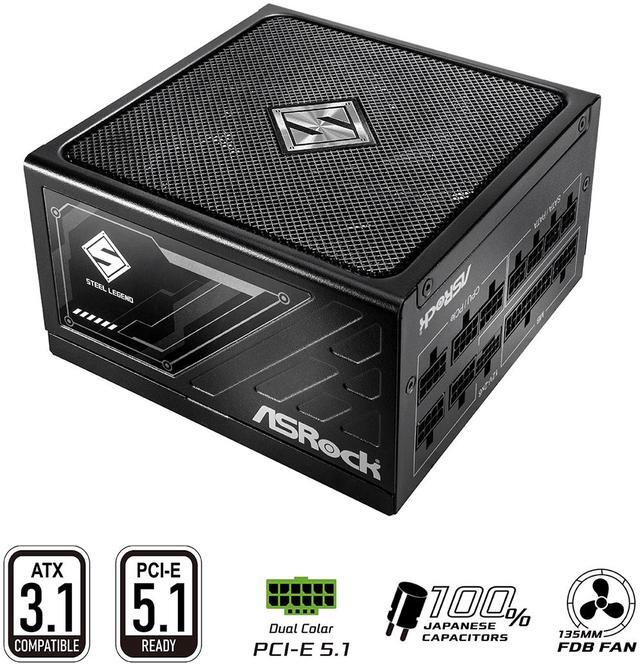
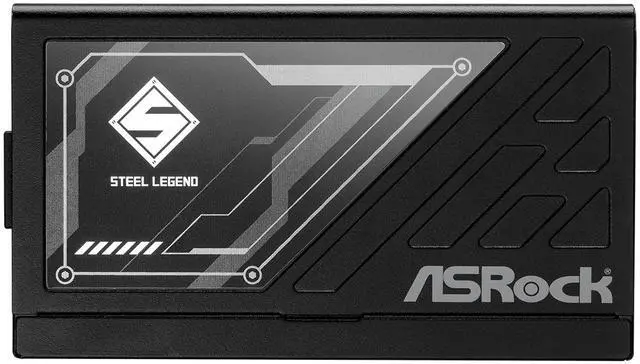
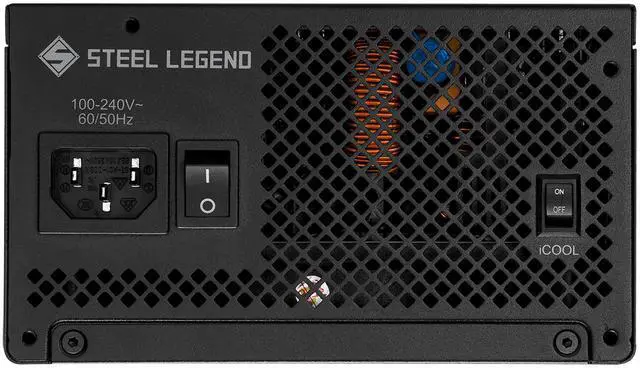
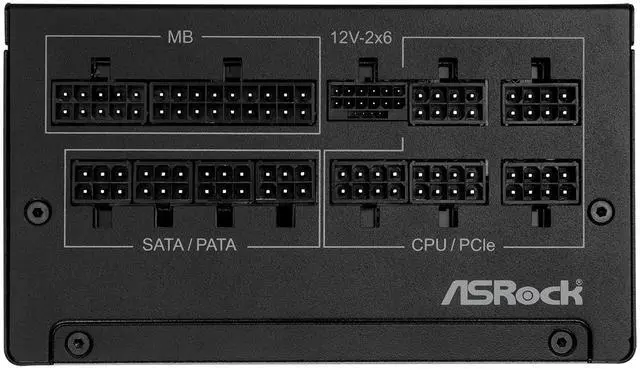
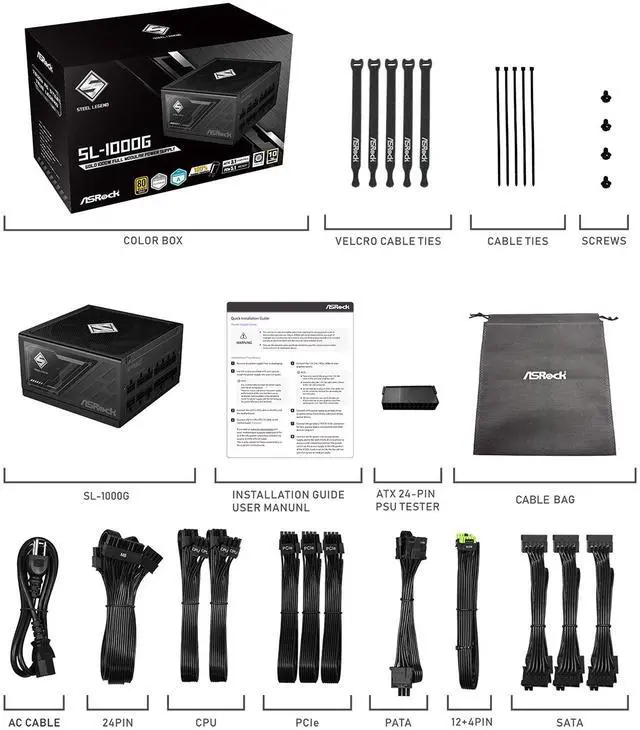
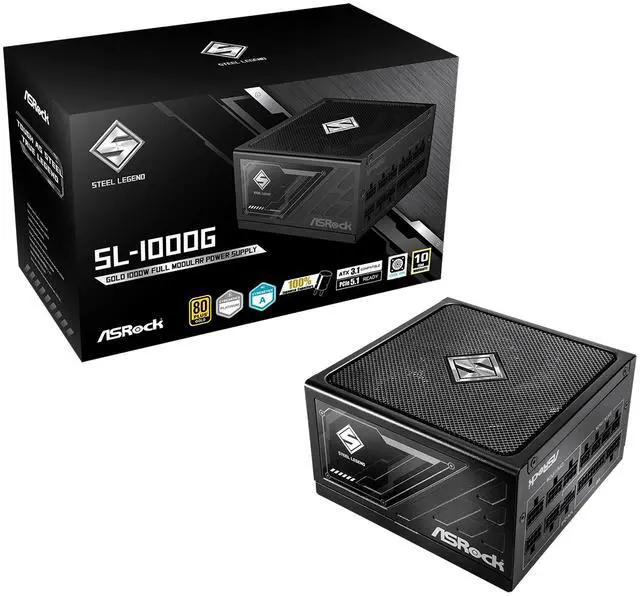
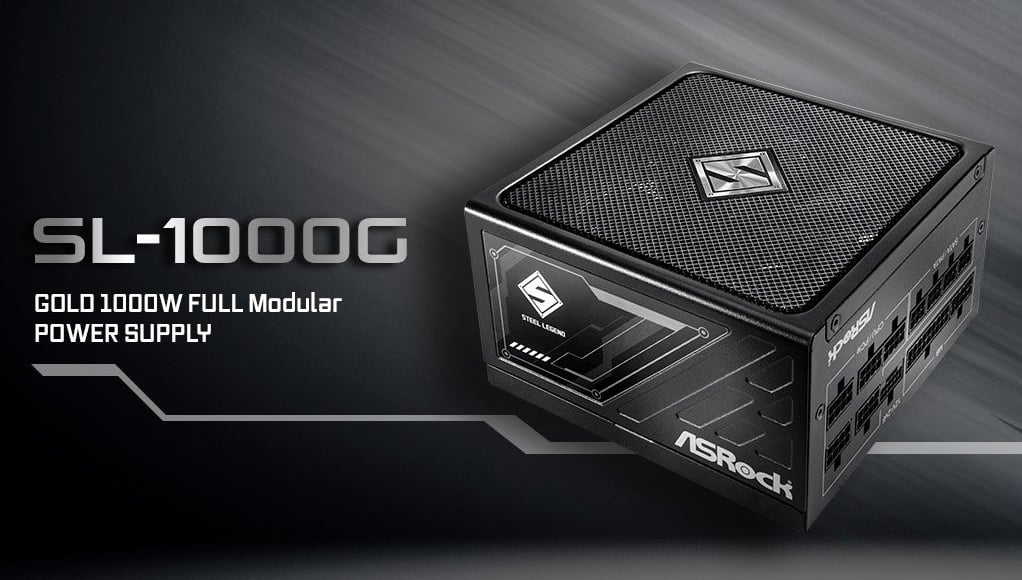
The ASRock Steel Legend SL-1000G is a 1000W fully modular ATX 3.1 power supply built for high-performance gaming and creator PCs that need native 12V-2x6 support, strong efficiency, and long-term reliability.
Recommended For
- Builders pairing a high-end current-generation GPU with a modern gaming PC who want a native ATX 3.1 / PCIe 5.x-ready PSU and included 12V-2x6 support, without stepping up to a pricier flagship unit.
- PC enthusiasts building a 7800X3D/9800X3D-class system with an RTX 5080/5090- or RX 7900/9000-series-style power profile who want 1000W headroom for GPU spikes, upgrades, and multi-drive setups.
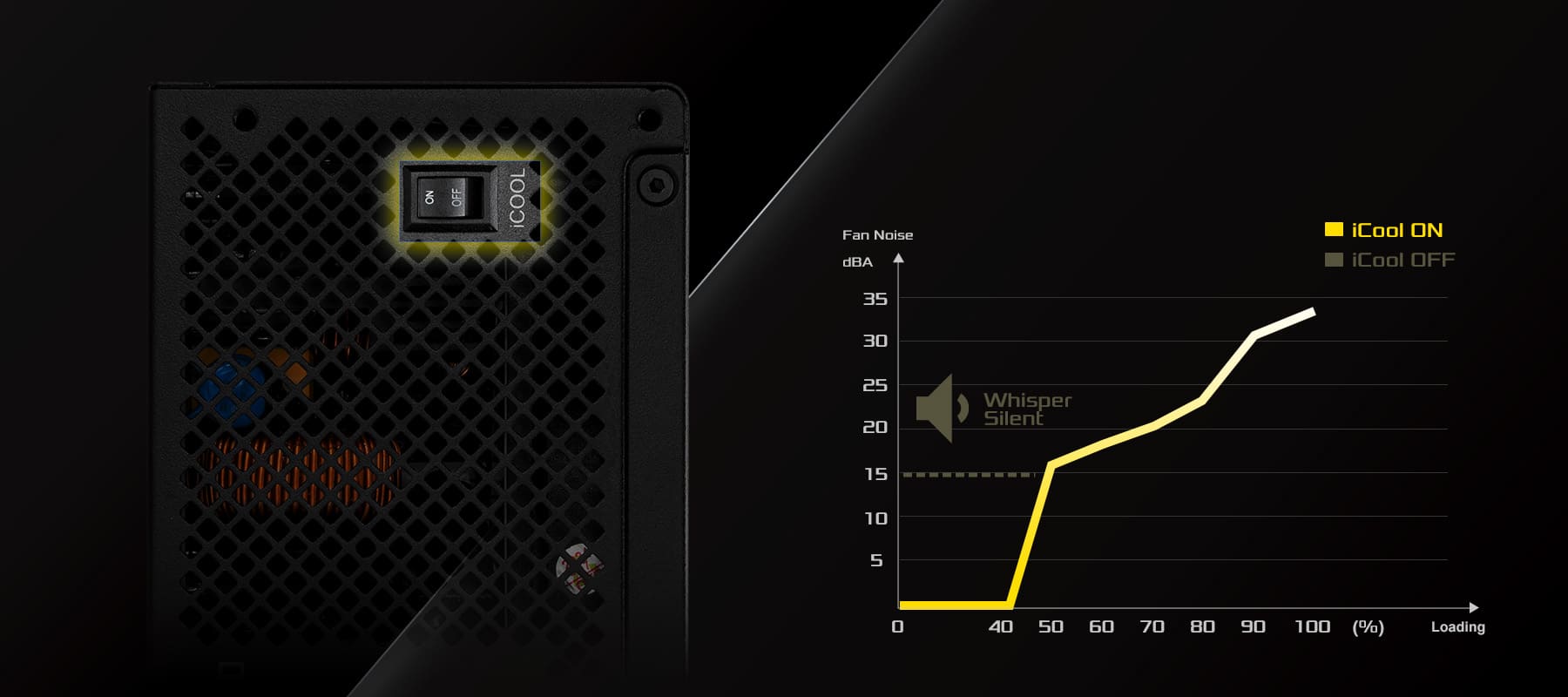
- Users who care about everyday efficiency and low-to-moderate load acoustics, such as gaming or mixed-use desktops that spend most of their time well below full PSU load.
- Builders who prioritize clean cable management in a windowed ATX tower and want a fully modular PSU with flexible cabling and a standard 150 mm body that fits most mainstream mid-towers.
Real-World Use Scenarios
- Building a high-end gaming PC with one power-hungry GPU: users typically choose the SL-1000G for RTX 4080/4090-class or similar modern cards, and the likely experience is a straightforward install with the native 12V-2x6 cable instead of relying on bundled adapters.
- Upgrading an older ATX build to a current GPU platform: the main benefit in practice is cleaner cable routing and easier reuse because the unit is fully modular, so builders can remove unused leads and simplify a case refresh without changing the whole system layout.
- Running a gaming or creator PC that has sharp power spikes during gameplay or rendering: the expected outcome is stable operation under modern transient loads, which is why this class of ATX 3.1 1000W PSU is commonly used for newer enthusiast GPUs rather than midrange units.
- Assembling a clean-looking showcase build: users are usually trying to match a modern GPU and motherboard build with tidy cabling, and the likely result is a neater interior because the PSU includes a native next-gen GPU cable and does not force extra adapter bulk near the card.
- Using the PC for long gaming sessions in a bedroom or office: the practical expectation is low PSU noise for much of normal use, with reviews and certifications suggesting it is better suited to users who care about keeping fan noise less noticeable than on cheaper high-wattage units.
Spec Summary
| Attribute | Value |
|---|
| Best For | High-power ATX3.1 desktop builds and PCIe5.1-capable systems that require a 1000W fully modular PSU and operate on standard 110–240V AC mains |
|---|
| Electrical And Output | Rated 1000 W output with support for 110–240 V AC input range |
|---|
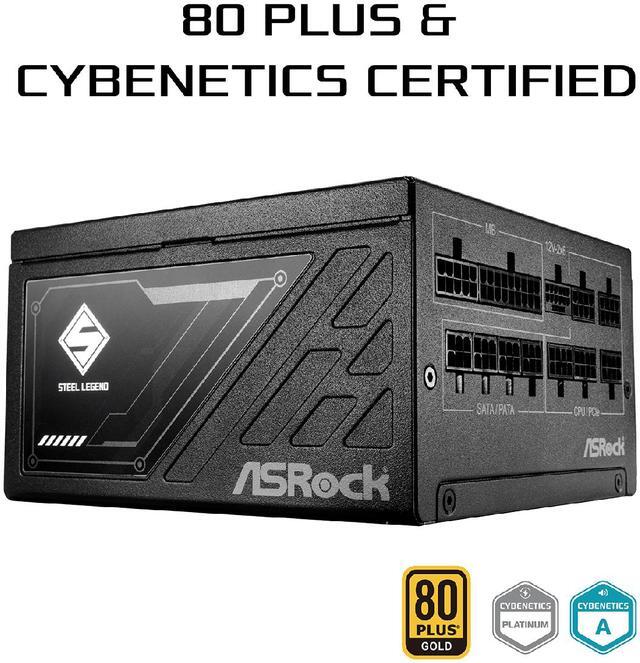
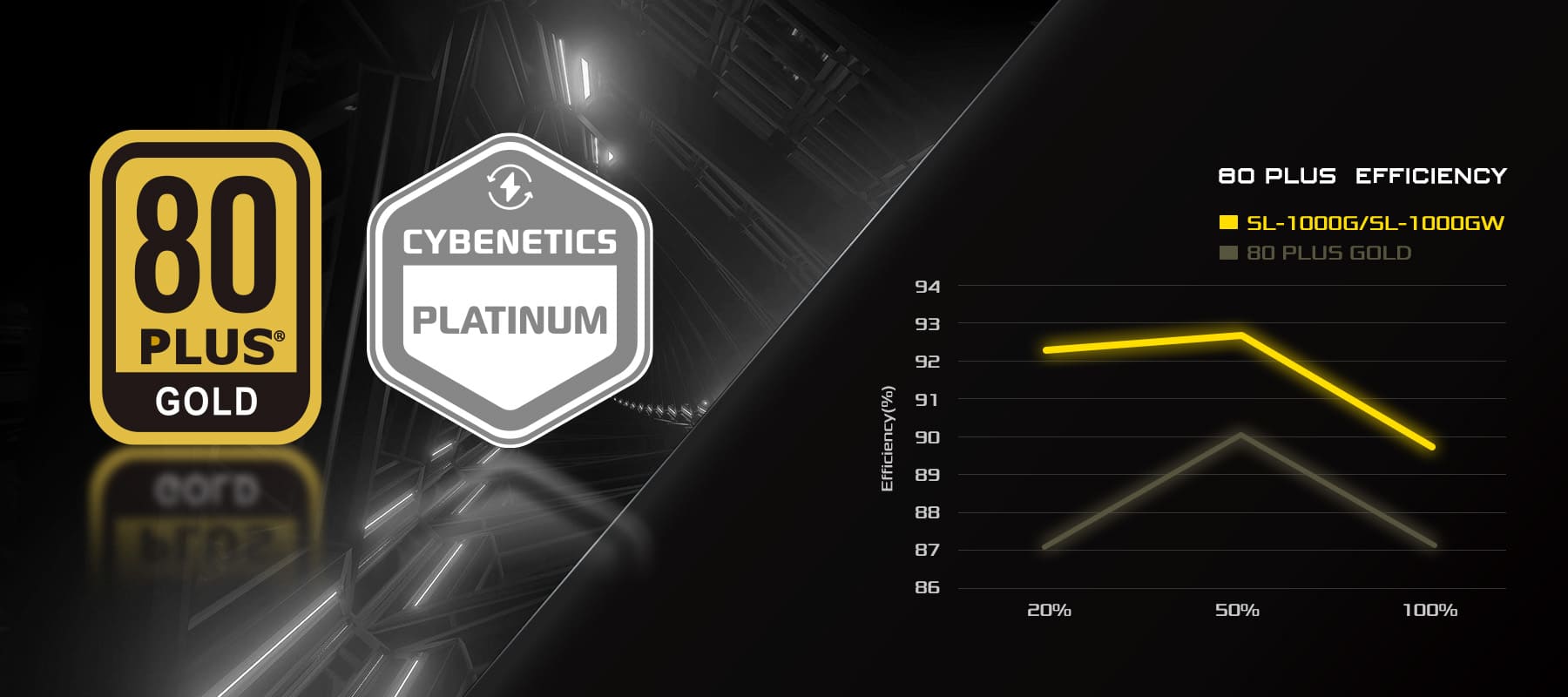
| Efficiency And Certification | Cybenetics Platinum efficiency classification with Cybenetics A noise rating |
|---|
| Form Factor And Compatibility | Full-modular ATX3.1 power supply design intended for personal computers, finished in black |
|---|
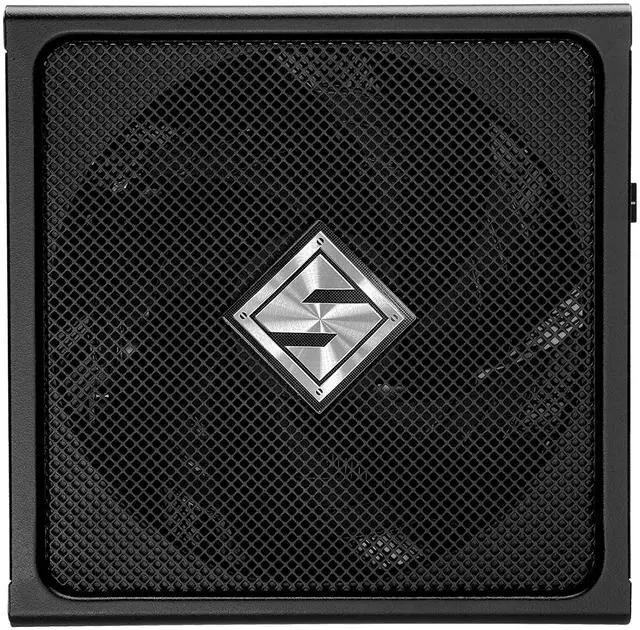
| Cooling And Fan | Air-cooled with a single 135mm striped axial fluid-dynamic bearing (FDB) fan |
|---|
| Connectors And Cables | Fully modular cable set with a total of 10 connectors, including ATX and SATA connectors and three 6+2-pin PCIe connectors |
|---|
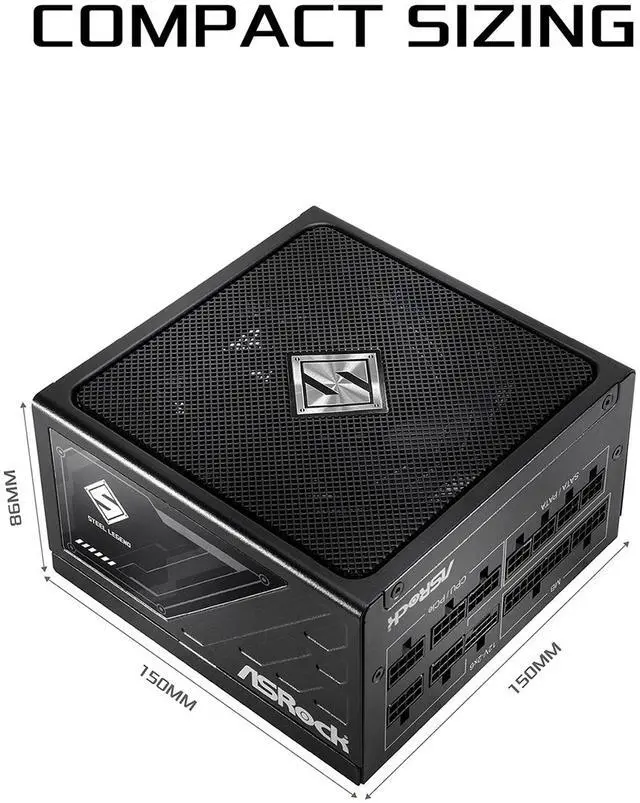
| Physical Dimensions And Weight | Item dimensions 15 L x 15 W x 8.6 H centimeters with item weight 7 Pounds; package dimensions 13.208 L x 18.5928 W x 30.8102 H centimeters and package weight 3.221 Kilograms |
|---|
| Model Identifiers | ASRock SL-1000G (model number 90-UXS100-GFUAAA), manufacturer ASRock, style name 1000G |
|---|
Reference Q&A
Q: Should I buy the ASRock SL-1000G or a Corsair RM1000x SHIFT for a high-end gaming PC?
A: Choose the ASRock SL-1000G if you want a standard-layout ATX 3.1, fully modular 1000W PSU with native 12V-2x6 support, strong efficiency credentials, and a 10-year warranty in a conventional cable orientation. Choose the Corsair RM1000x SHIFT if your case specifically benefits from side-mounted connectors and you want a model with broader review coverage and very strong independent electrical test results. The main trade-off is fitment and ecosystem preference rather than wattage, since both target modern high-end GPU builds.
Q: Is the ASRock SL-1000G worth getting over an 850W ATX 3.1 PSU?
A: Buy the SL-1000G over an 850W unit if you are pairing it with a power-hungry GPU, want more transient-load headroom, or plan to keep the PSU through future GPU upgrades. An 850W ATX 3.1 model is still the more practical choice for many mid-to-upper-range gaming systems, especially if the build will not exceed typical single-GPU power targets. The decision is mainly about upgrade margin and power spikes, not day-to-day speed.
Q: Should I choose the ASRock SL-1000G or move up to a 1200W PSU?
A: Choose the SL-1000G if you are building around a single high-end GPU and want modern ATX 3.1 compatibility without oversizing the PSU. Move to 1200W if you expect unusually high combined CPU and GPU loads, aggressive overclocking, or simply want extra capacity for future flagship-class upgrades. For most single-GPU enthusiast systems, 1000W is the more balanced point; 1200W is mainly about additional margin rather than a direct performance gain.
Q: How does the ASRock SL-1000G compare with MSI's MAG A1000GL or A1000GLS PCIE5 models?
A: Choose the ASRock SL-1000G if you value its Steel Legend positioning, Japanese capacitors, Cybenetics efficiency/noise certifications, and standard modular layout. Choose MSI's A1000GL or A1000GLS if you prefer a model family with strong value-oriented visibility in reviews and builder discussions. In practice, these products compete closely on core use case: modern ATX 3.x, native support for current PCIe 5.x GPUs, and 1000W capacity for upper-tier gaming systems. The trade-off is usually price, brand preference, and which review record you trust more.
Q: Is the ASRock SL-1000G a good fit for a modern RTX 4080, 4090, or similar high-end GPU build?
A: Yes. It is a strong fit for a modern high-end gaming PC because it is a 1000W ATX 3.1 power supply with a native 12V-2x6 cable, so it is better aligned with current PCIe 5.x GPU power needs than older 1000W units that rely on adapters. It makes the most sense for builders using power-hungry GPUs or wanting extra headroom for future upgrades.
Q: Does it come with the cables most builders need, including the newer GPU power cable?
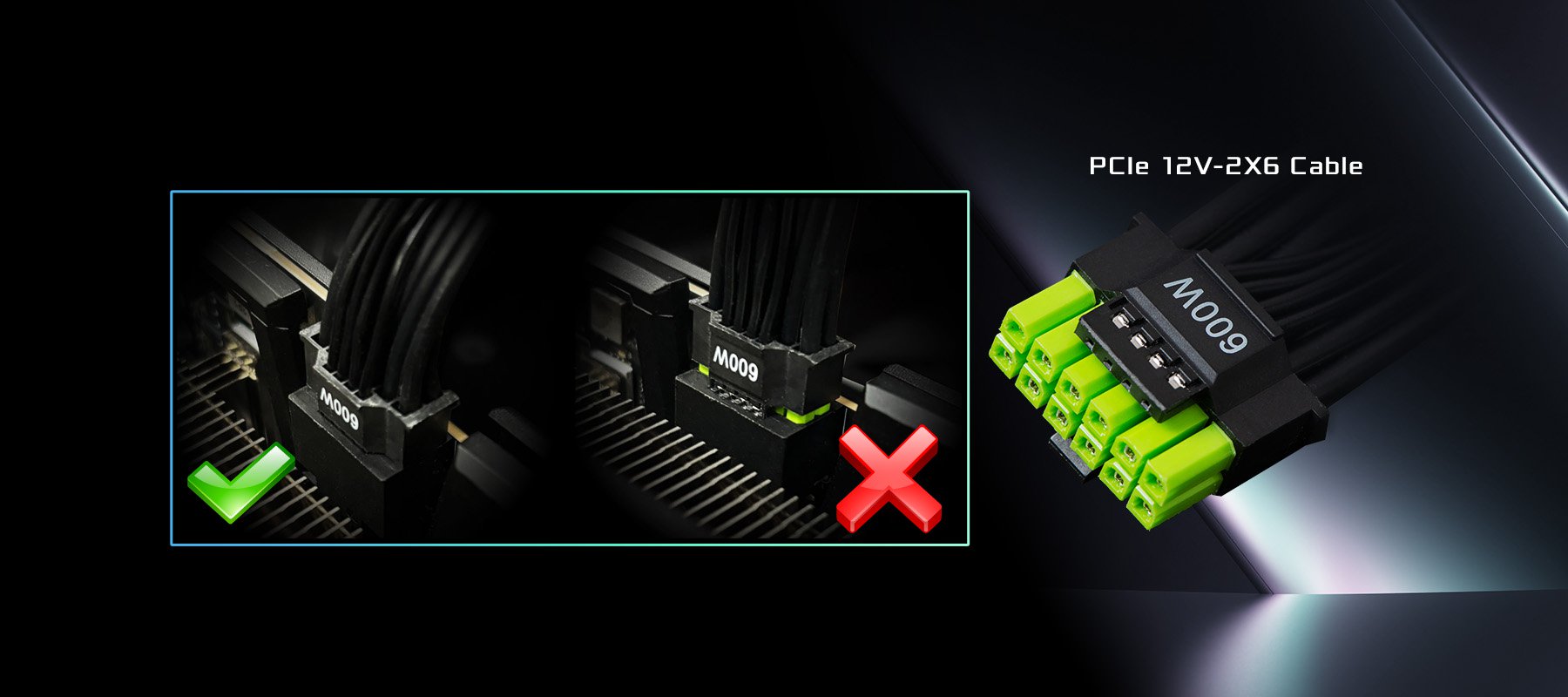
A: Yes. The SL-1000G is fully modular and includes a native 12V-2x6 connector for newer graphics cards. That matters because cable availability is one of the most common PSU buying questions, and native support is usually preferable to using bundled GPU adapters.
Q: Who is the ASRock SL-1000G most suitable for?
A: It is best suited to enthusiasts building a mid-high to high-end desktop with a current-generation GPU, especially if they want ATX 3.1 compatibility, a native 12V-2x6 cable, and room for future upgrades. It is less ideal for budget or low-power systems, where 1000W would usually be more capacity than necessary.
Q: What are the main trade-offs versus an older 1000W Gold PSU from brands like EVGA or ASUS?
A: The main advantage of the SL-1000G is newer platform readiness: ATX 3.1, PCIe 5.1, and a native 12V-2x6 cable. That makes it a better choice for new GPU-focused builds. The trade-off is that if you already own a good older 1000W Gold PSU, it may still power many systems well, but you are more likely to depend on adapters or older cable standards.
Q: Is this a good choice if I want a quieter long-term PSU for a performance build?
A: Yes, if low noise is a priority in a powerful system. The SL-1000G lists Cybenetics Lambda A acoustic certification, a 135mm FDB fan, and a 10-year warranty, which together suggest it is positioned as a quieter long-life option. The practical trade-off is that buyers should still prioritize overall fit, cable support, and power needs before noise alone.
Q: Is the ASRock SL-1000G worth buying if it is heavily discounted?
A: It can make sense as a value-focused 1000W option if price is the main reason you are considering it. Reddit discussions around this model often come from sale threads and budget-comparison posts, where buyers compare it against better-known alternatives in the same wattage class. The main trade-off is confidence: it has strong paper specs for the price, but community discussion also shows some hesitation about ASRock's PSU track record versus more established PSU brands.
Q: Who is the ASRock SL-1000G most suitable for?
A: It is best suited to high-power gaming or workstation builds that want a modern 1000W PSU with ATX 3.1, PCIe 5.1, and a native 12V-2x6 cable. The fit is strongest for buyers pairing newer high-end GPUs with a PSU sized for upgrade headroom. It is less compelling for mid-range systems that do not need 1000W, because the extra capacity may add cost without a practical benefit.
Q: What are the main trade-offs of choosing the ASRock SL-1000G instead of a more established PSU brand?
A: The main advantage is feature-per-dollar: 1000W output, full modular cabling, ATX 3.1 support, native 12V-2x6, Japanese capacitors, and a 10-year warranty. The main trade-off is buyer confidence. In Reddit discussions, this model is often compared with MSI, be quiet!, and other familiar PSU brands, with some users preferring those alternatives for brand trust and perceived reliability even when the ASRock unit is cheaper.
Q: Is the ASRock SL-1000G a safe pick for a new RTX 50-series or similar high-end GPU build?
A: On paper, yes: its ATX 3.1 and PCIe 5.1 support, native 12V-2x6 cable, and 1000W capacity match the needs buyers usually discuss for newer high-end GPUs. As a buying decision, it is a better fit for users who specifically want native next-gen GPU power support and enough wattage headroom. The caution is that some buyers still cross-shop it against more established PSU options before committing, especially for premium builds.
Q: Should cautious buyers avoid this PSU until there is more long-term community feedback?
A: That is a reasonable decision if your priority is proven track record over price. Community discussion shows that some buyers are comfortable considering it because of the specifications and sale pricing, while others hesitate because ASRock is less established in PSUs than leading competitors. If you prefer lower decision risk, waiting for broader user feedback or choosing a more established PSU brand is the safer trade-off.